Week 10: Mole (and the sopes I served with it)

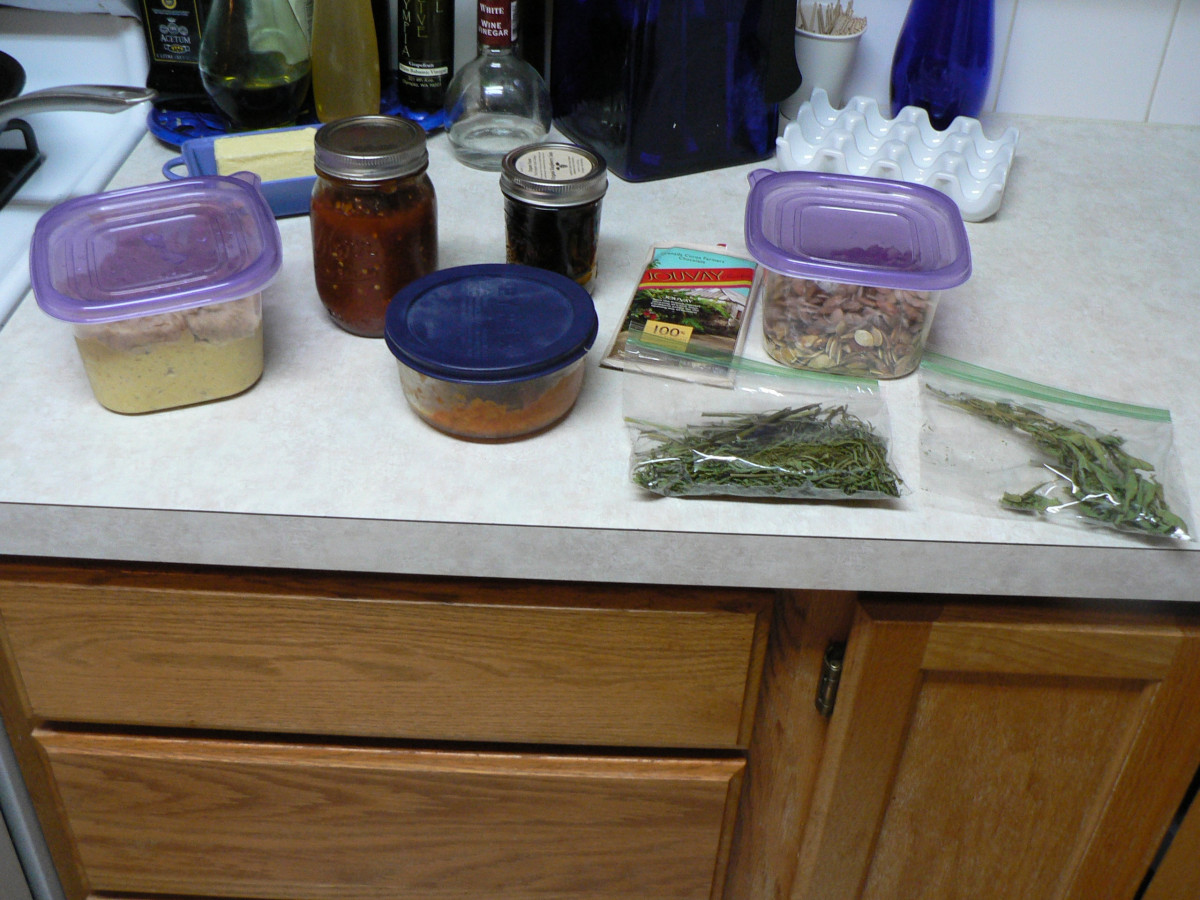
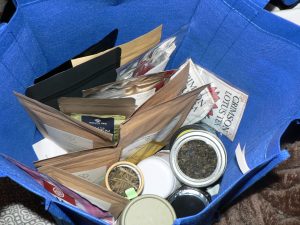
Basically everything except for the kombucha and sourdough starter that I’ve made throughout the quarter
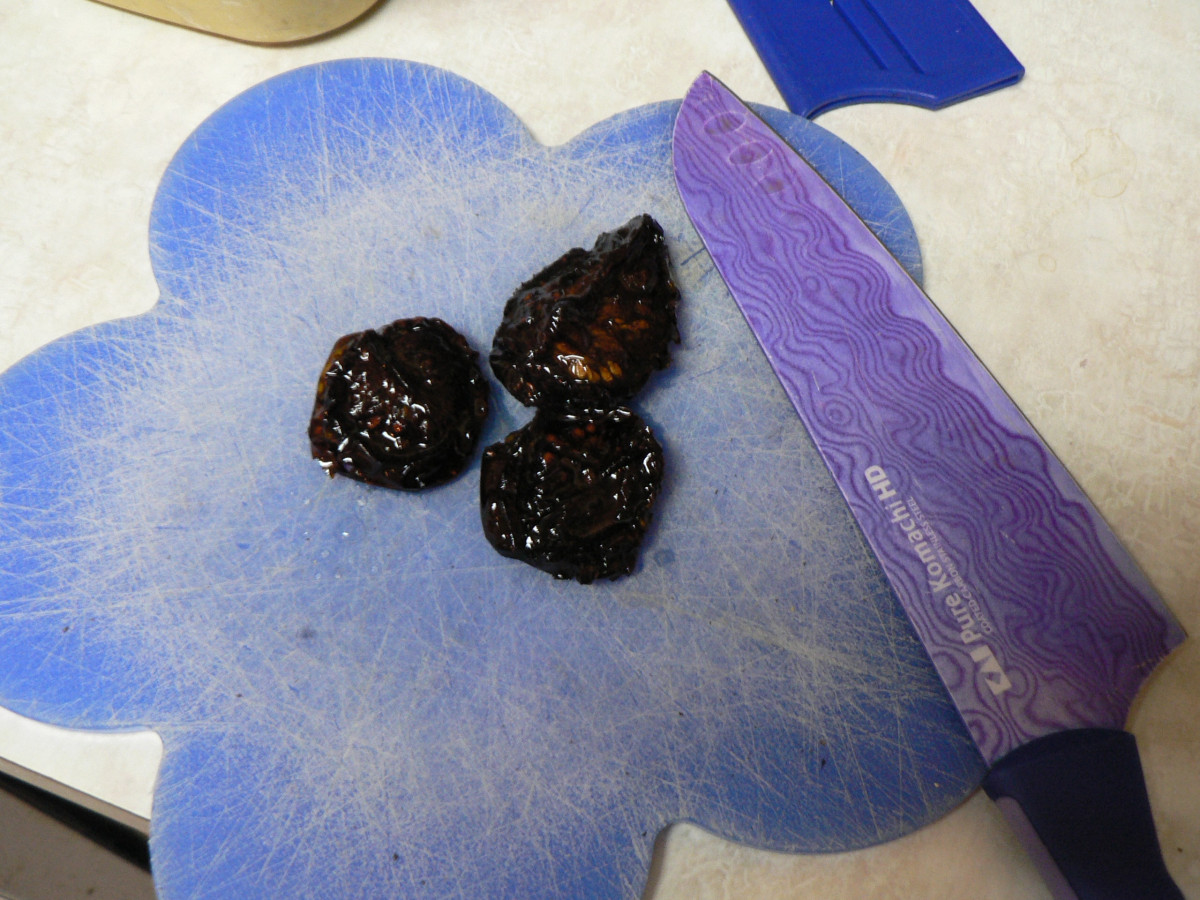
The dried tomatoes
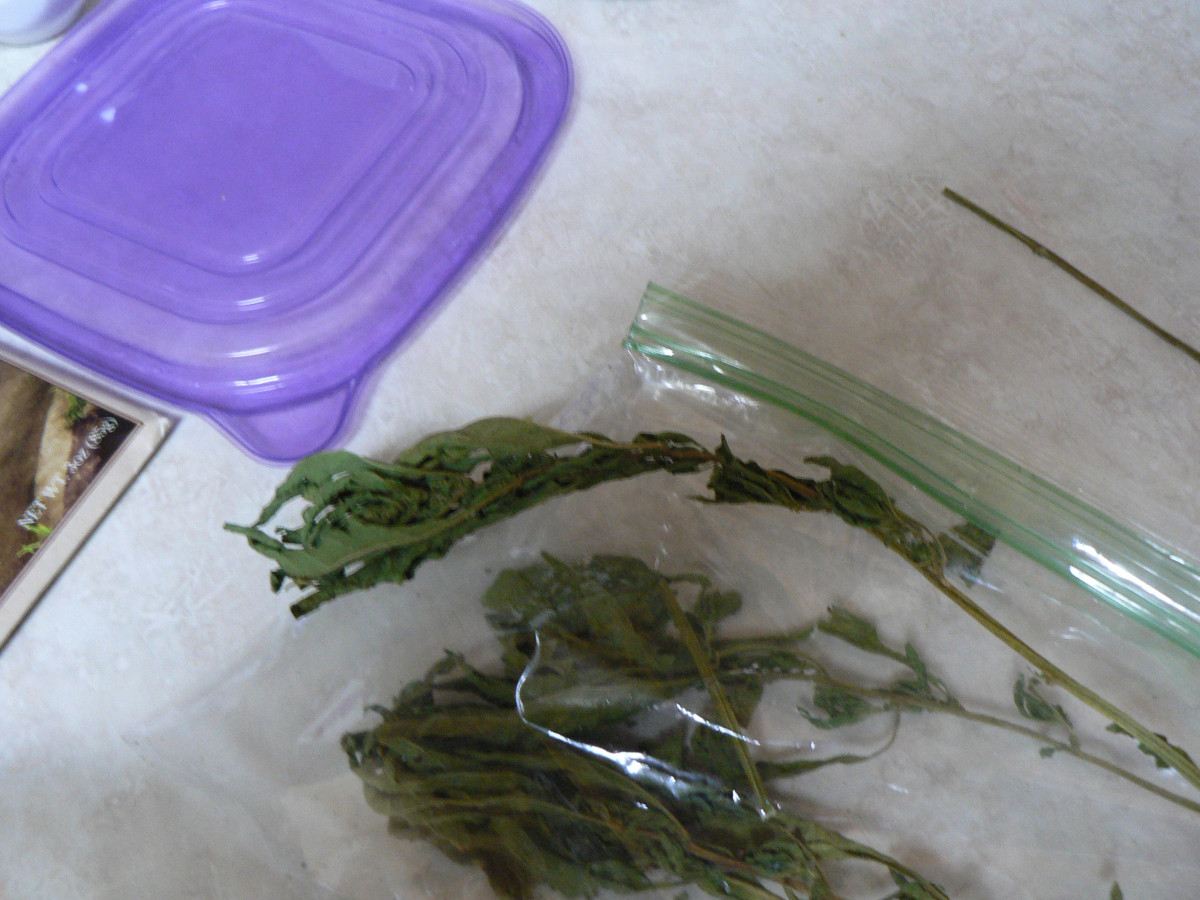
In the end, I can’t quite differentiate the huacatay from the epazote in their dried forms
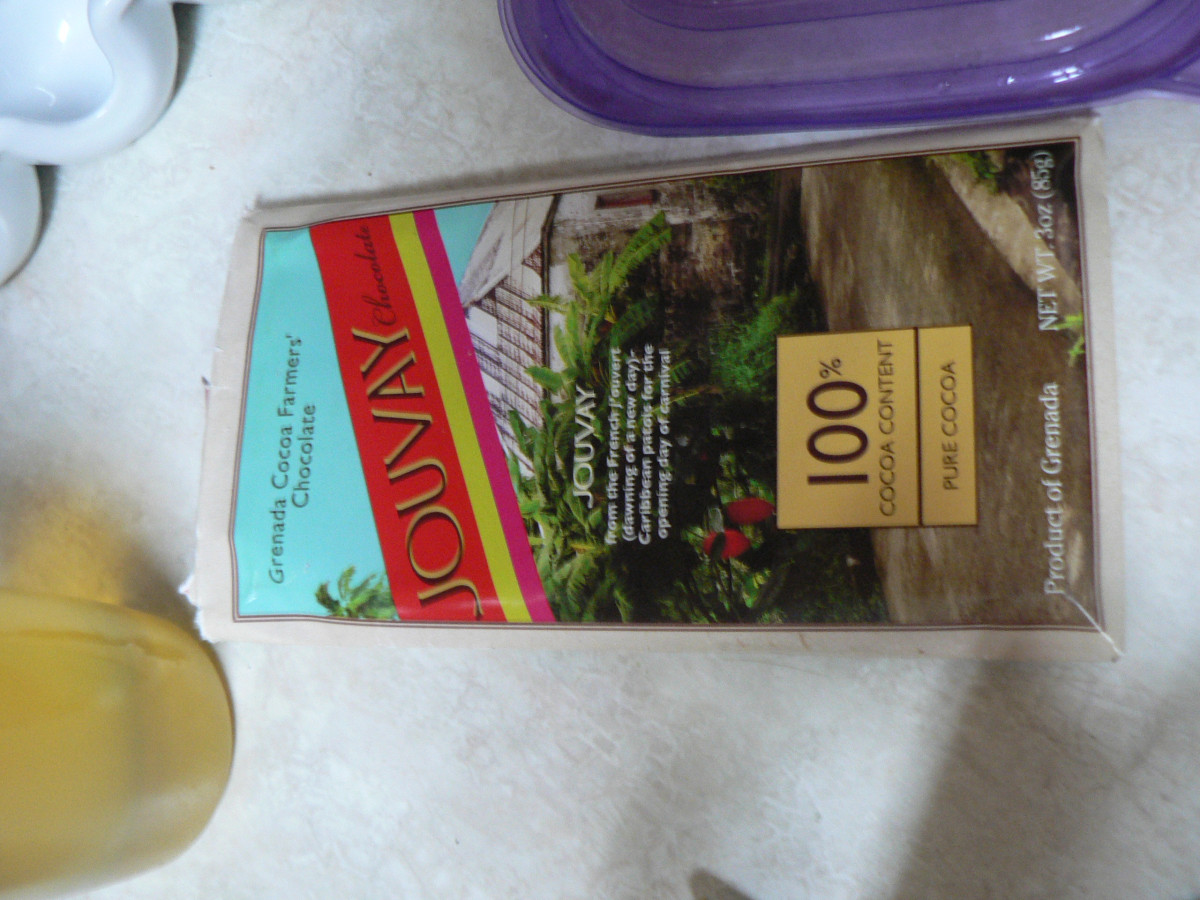
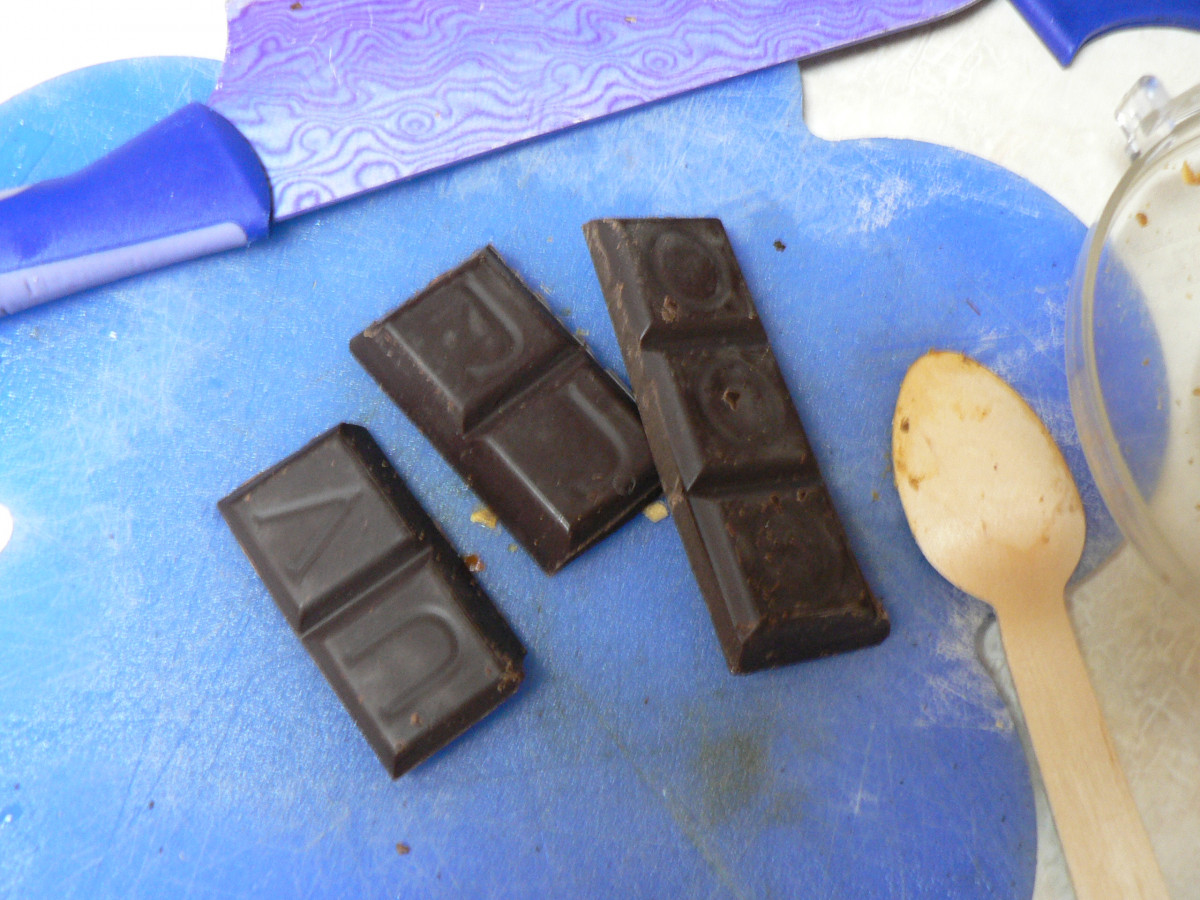
The very nice and actually not offensive tasting 100% cocoa mass chocolate I used as part of the mole
About the amount I expect I will use
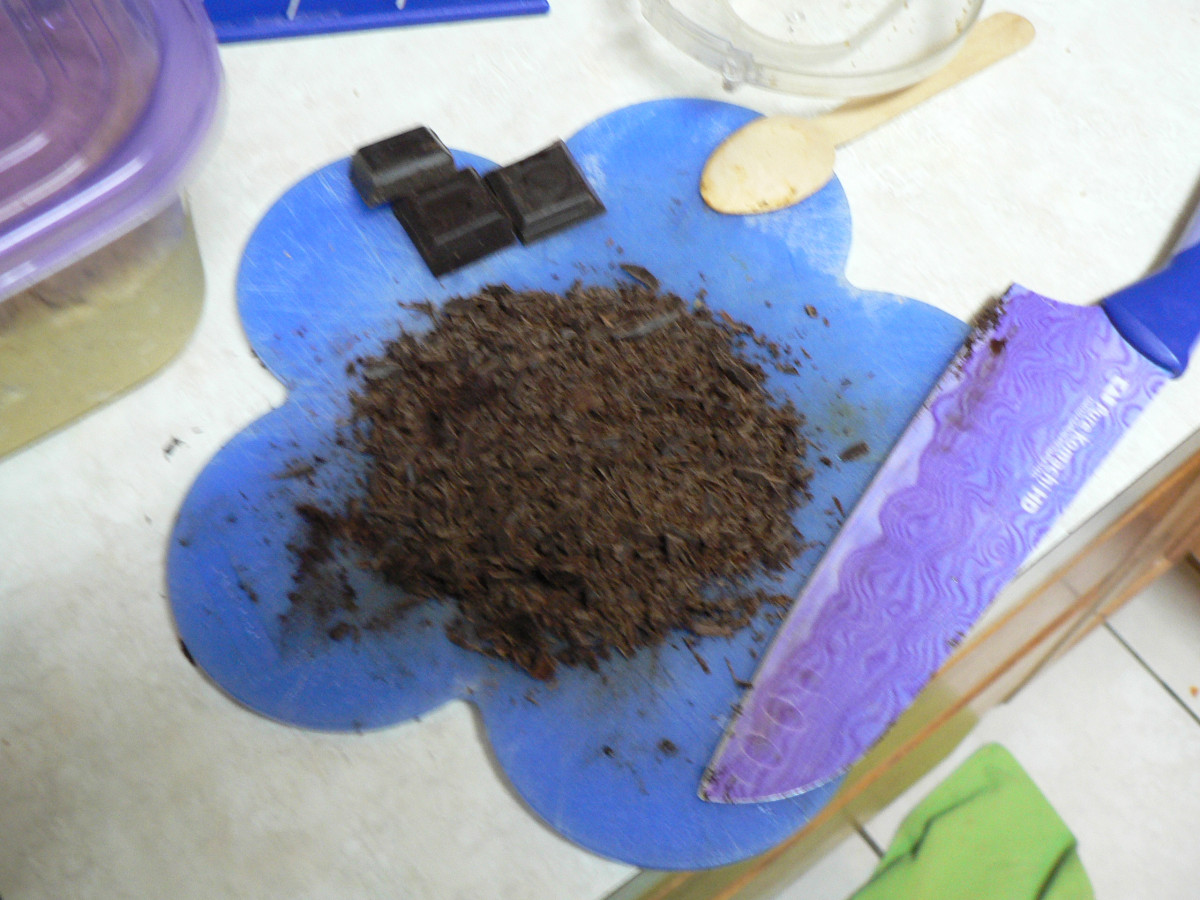
very finely chopped and wrong about how much chocolate I need to use
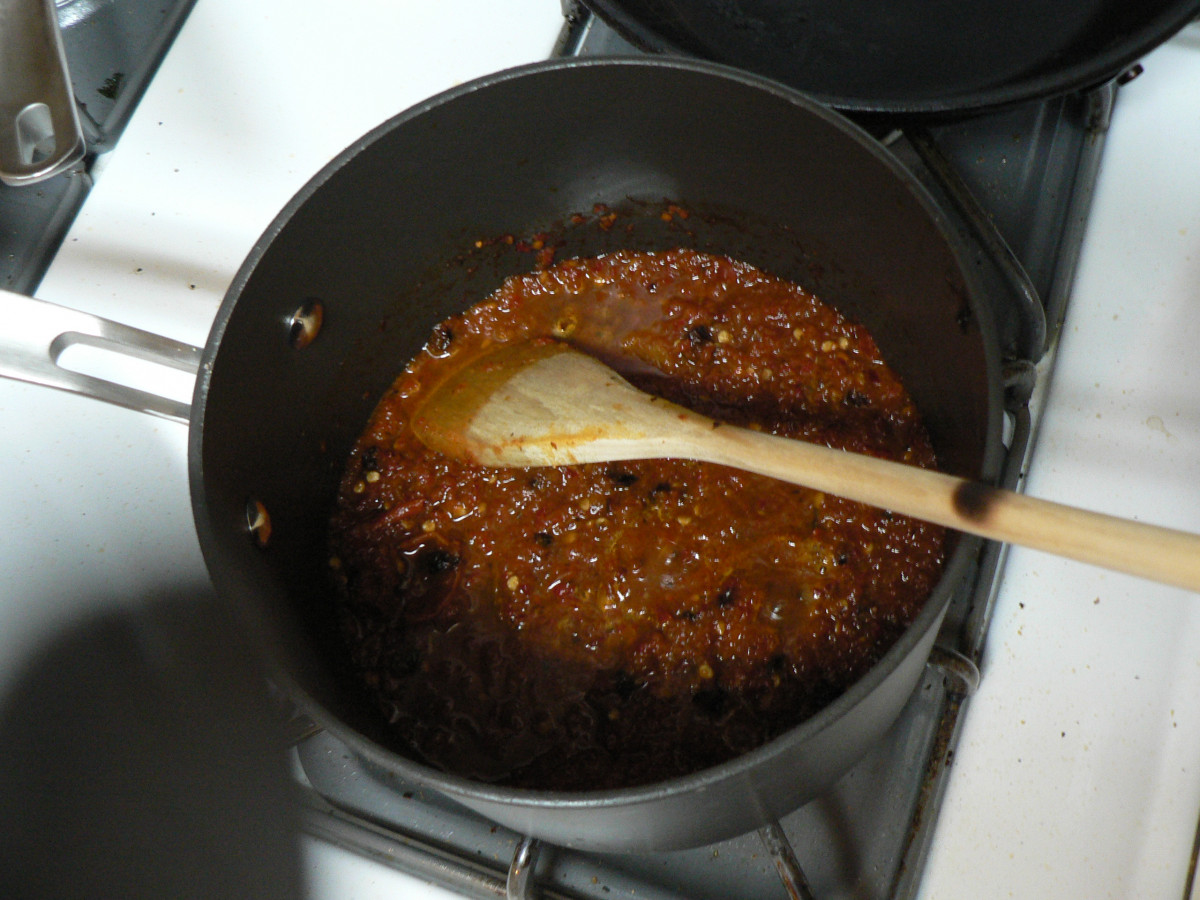
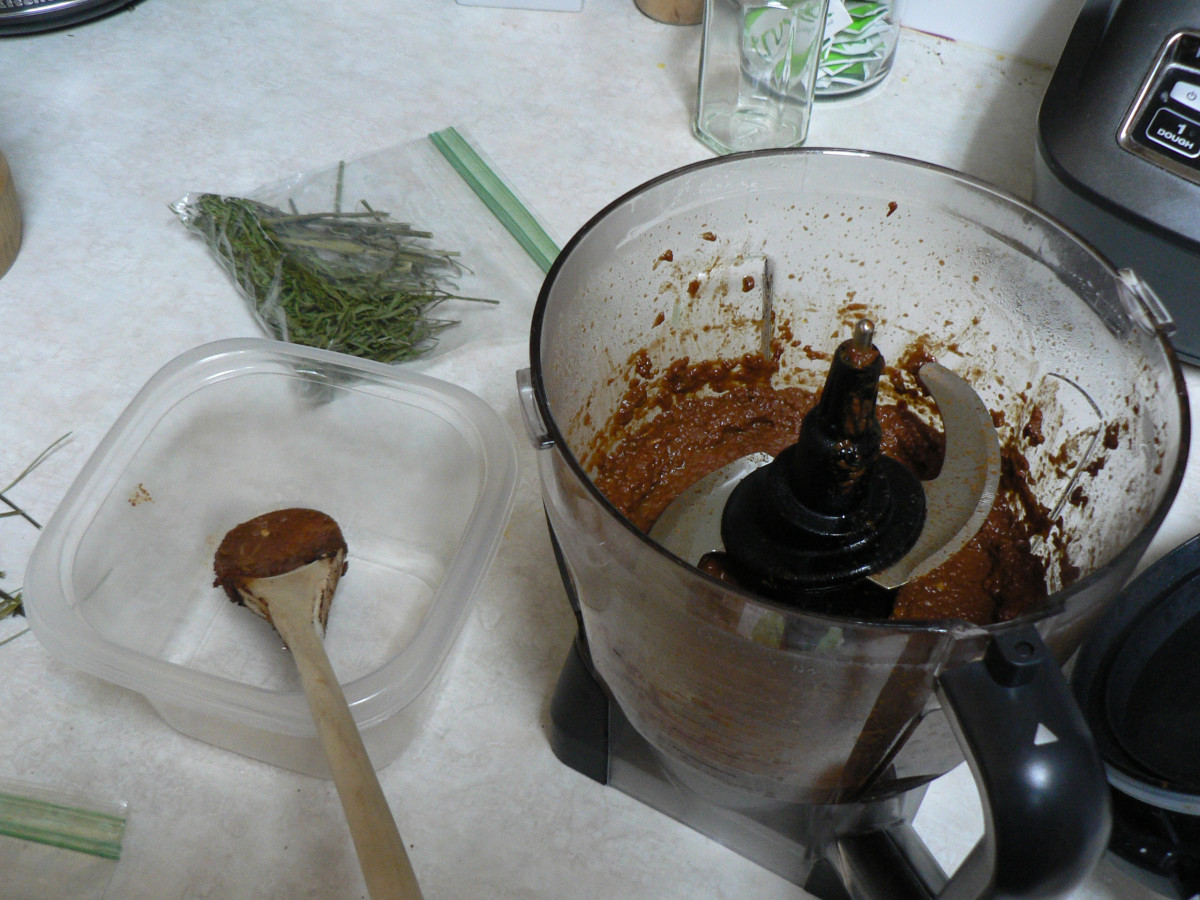
We’re reducing this
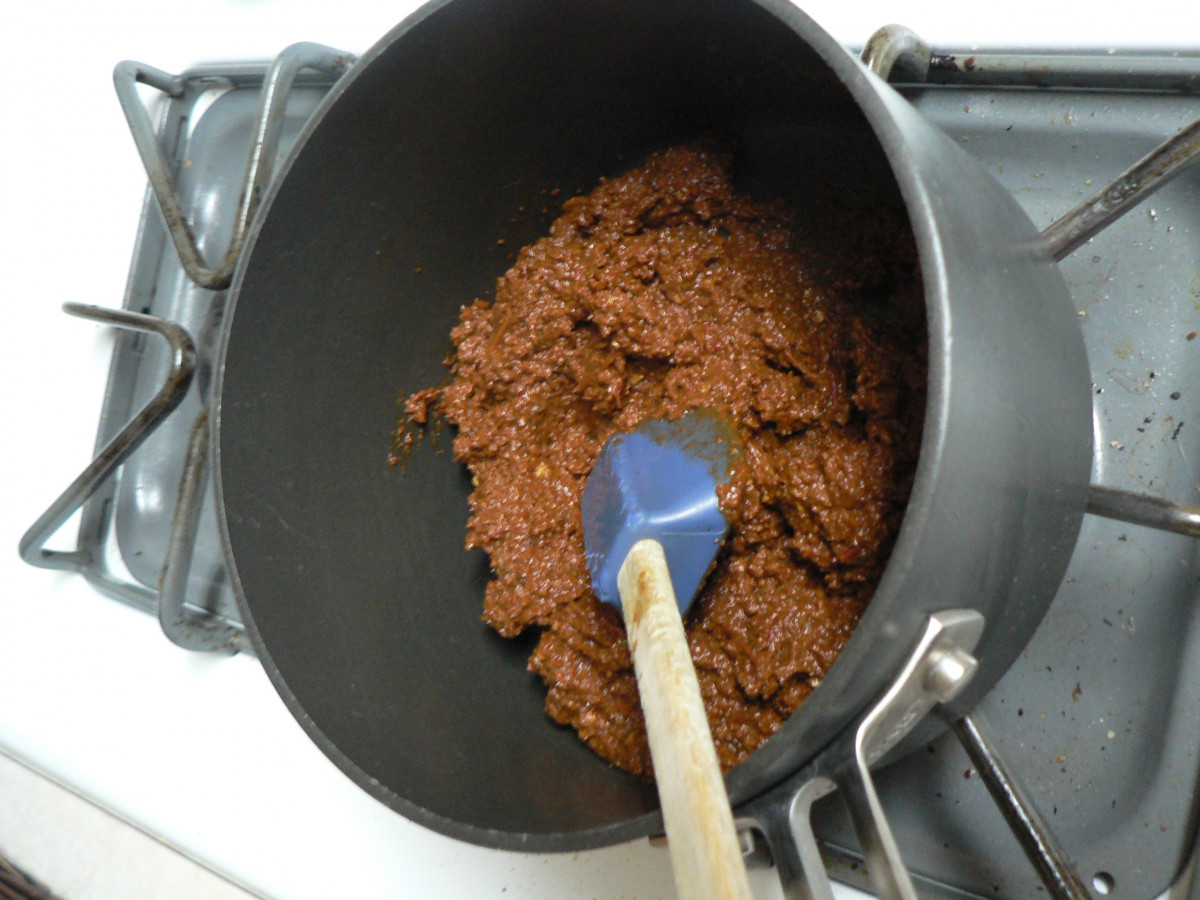
We have basically a solid mass
blend it
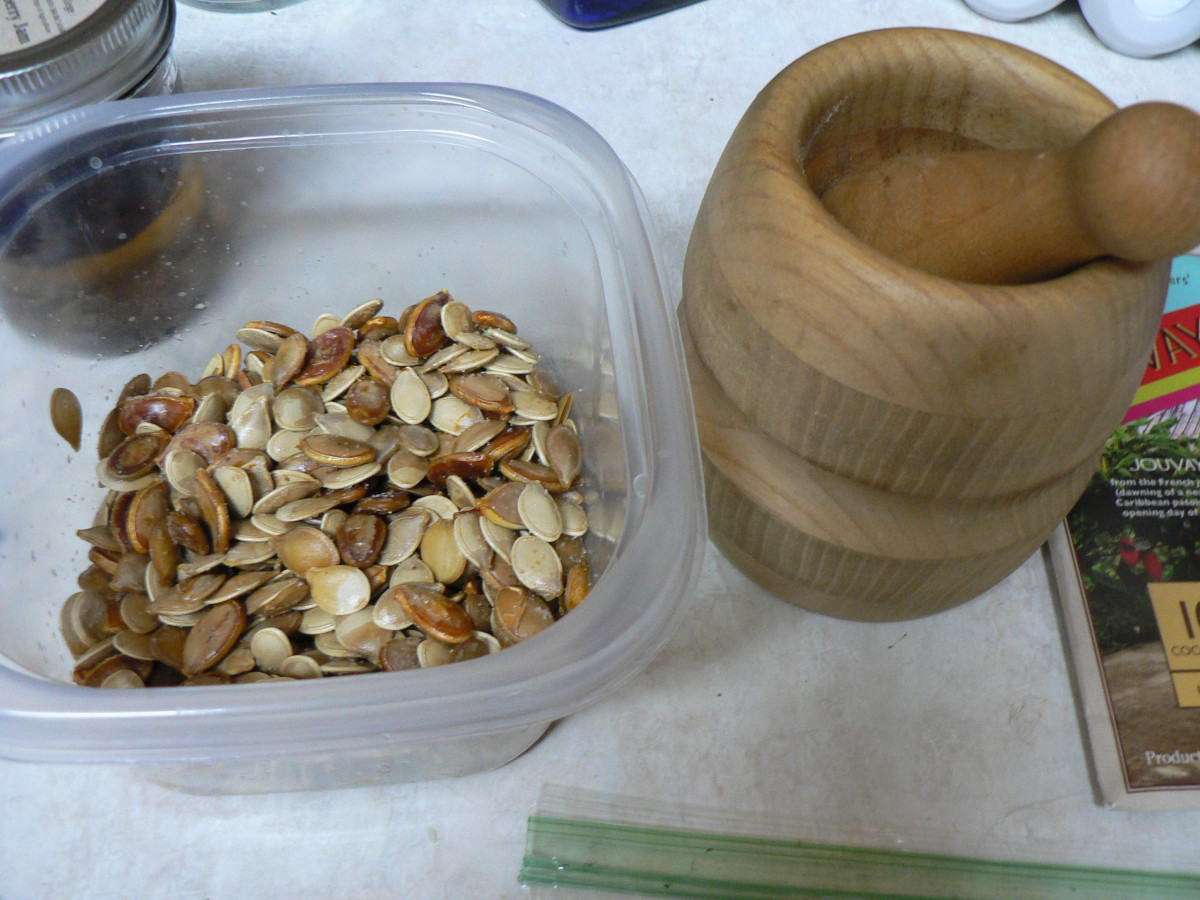
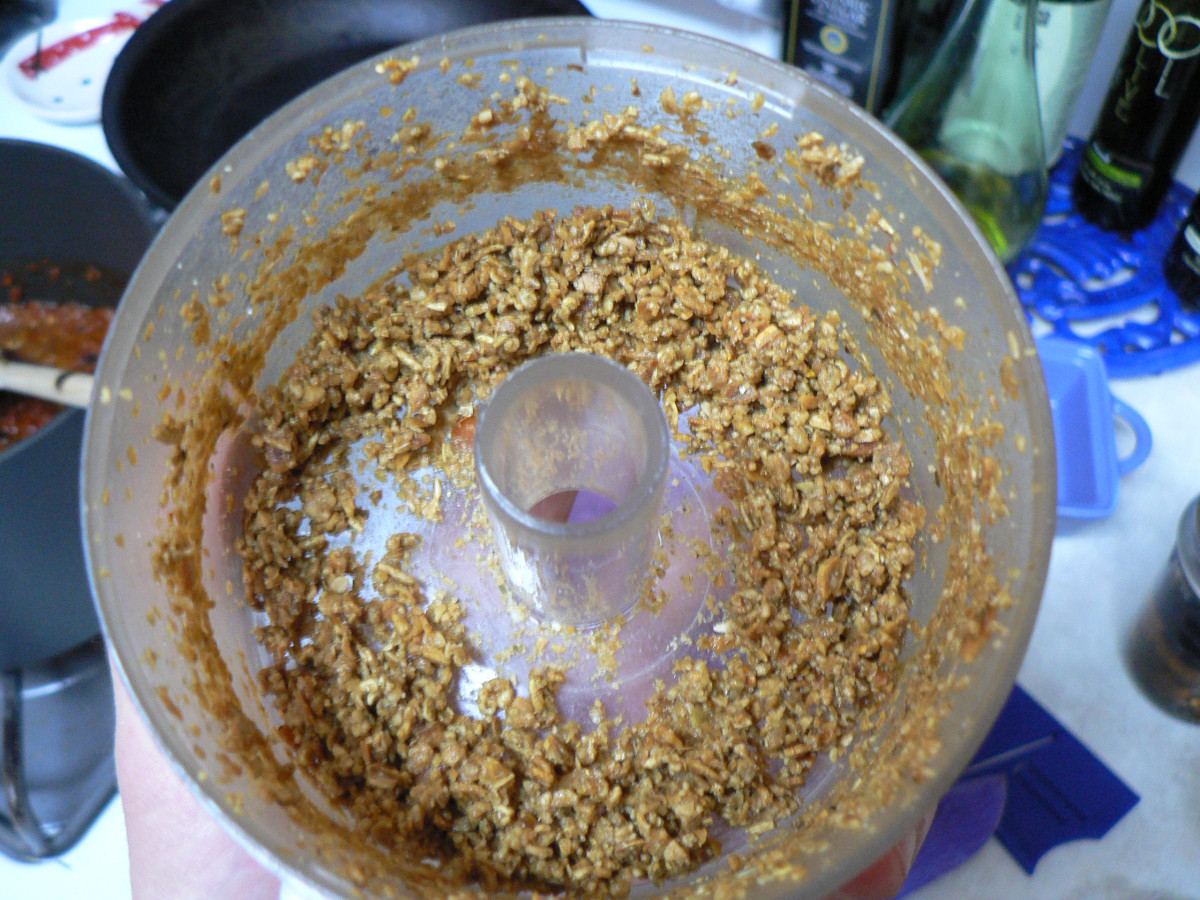
pepitas and their traditional means of pastification
pepitas and the means of pastification we use.
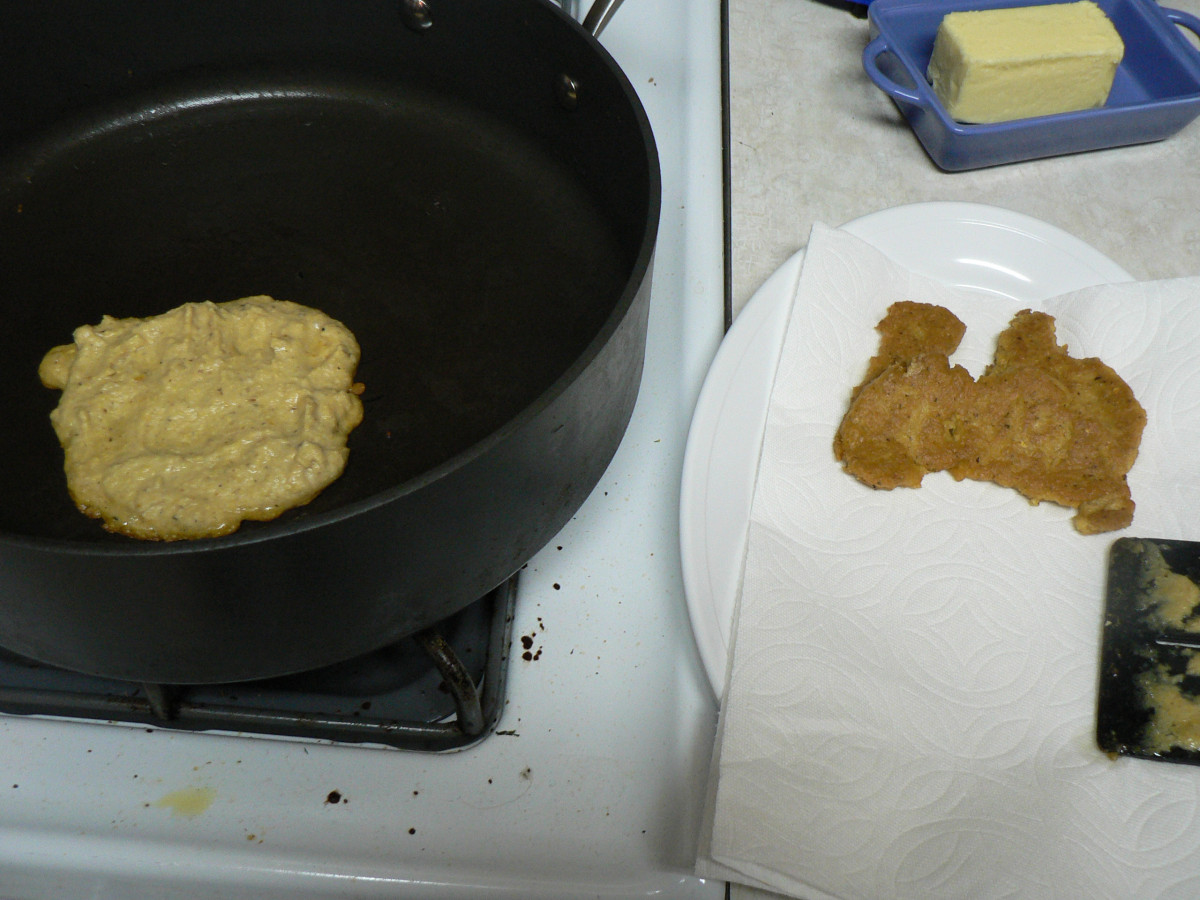
our masa
our masa frying as we learn to make a dang ol’ tortilla on the fly, basically
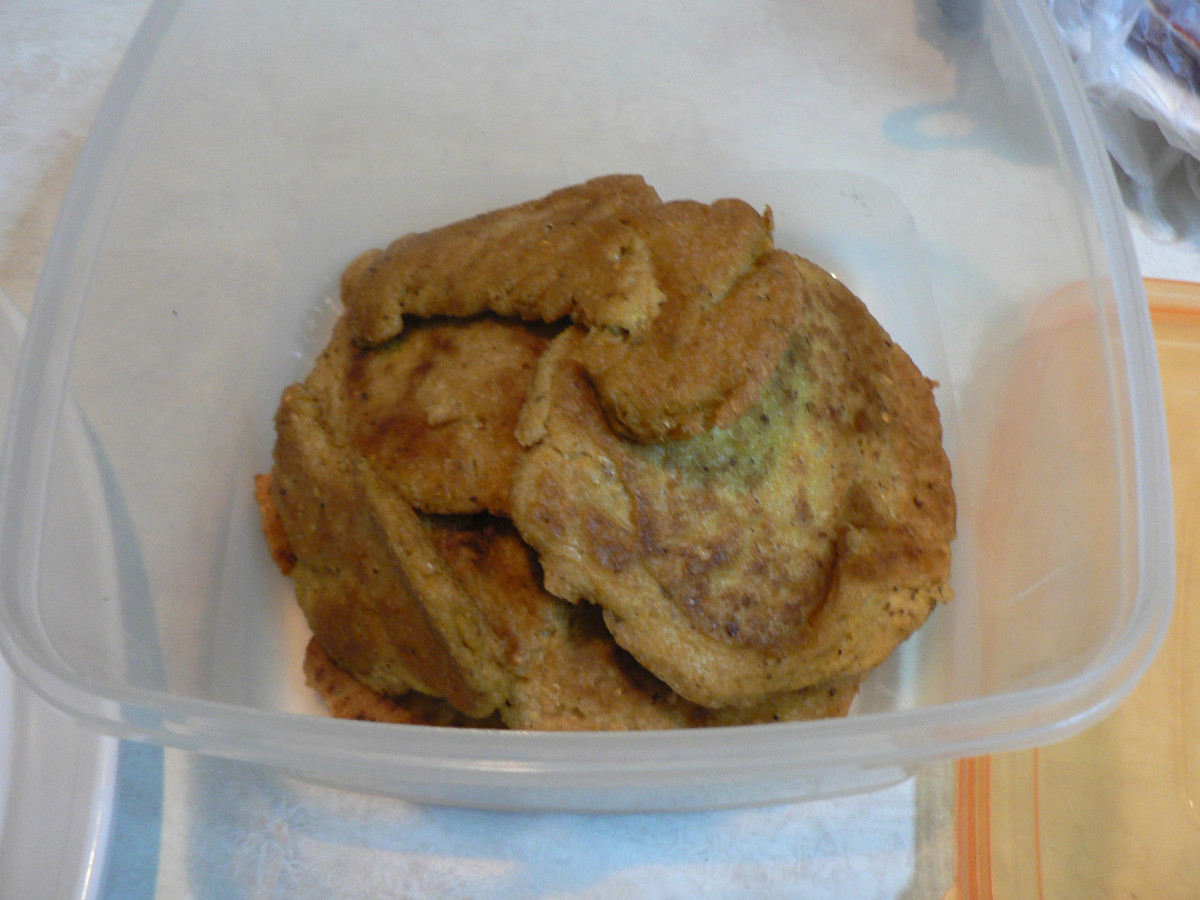
looks like a stack of flapjacks, doesn’t it?
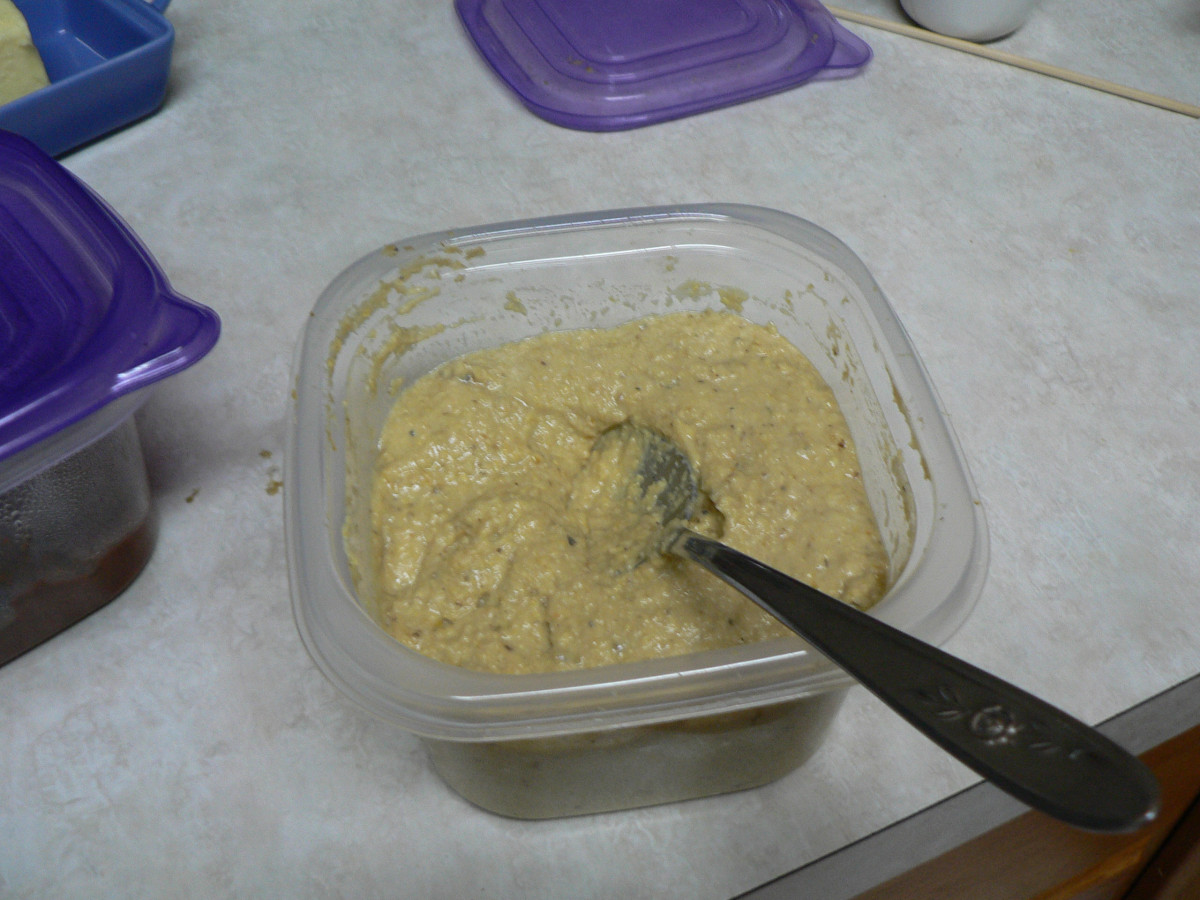
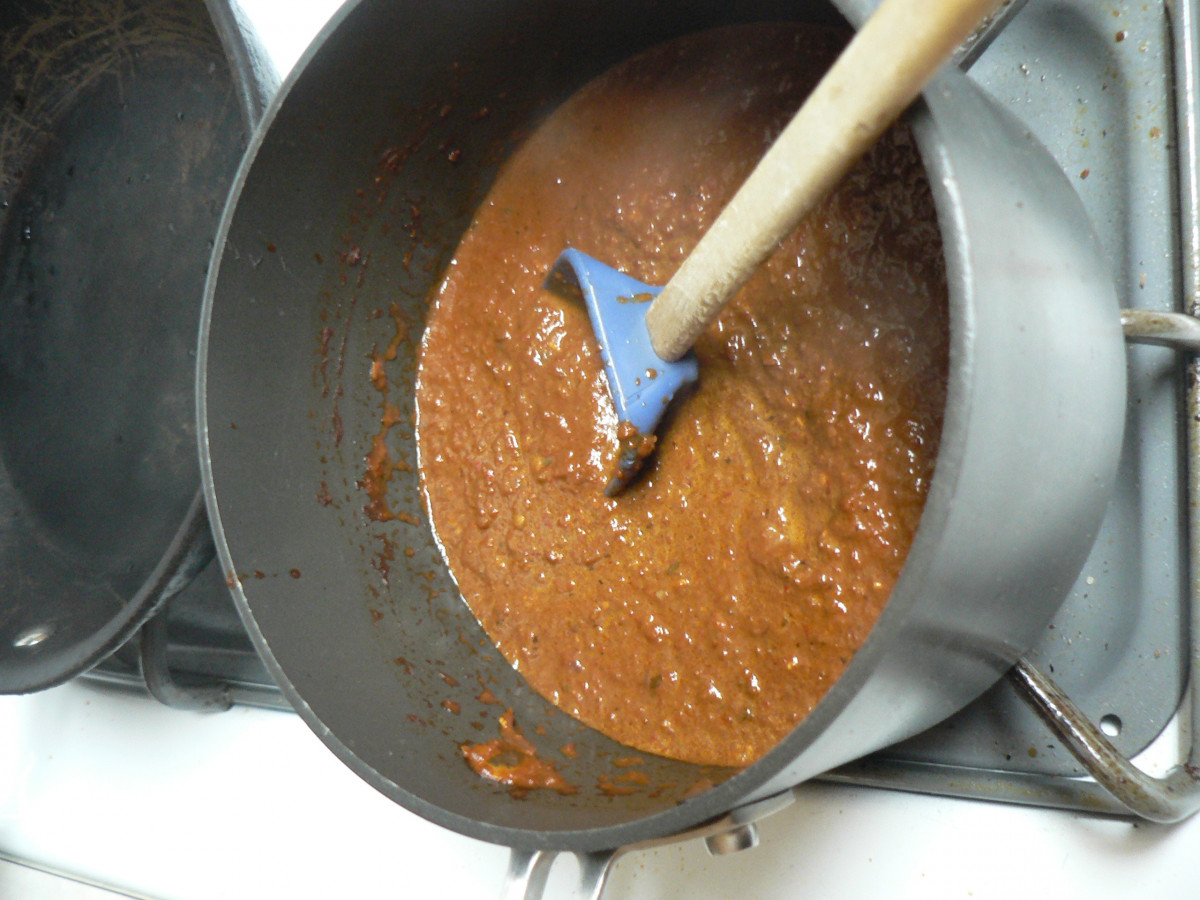
the same paste reconstituted.

all of the digital photographic image pictures benjamin reynolds 2018

Ingredients
Basically everything you made, this quarter
1 jar of fermented chili salsa
about an ounce of 100% chocolate
about 2 cups of pepitas that you’ll try putting in the mortar and pestle, getting frustrated with them until you remember you have a food processor
At least one sprig each of the dried huacatay and epazote you prepared earlier
the entire cup and a half mass that is the tomato paste you made
Three of your dried tomatoes you’ve been keeping in a jar of oil (chopped)
a bit of lime juice because, why not?
all of the masa you just made for tortillas to serve with your masterpiece
just enough water to make the resulting paste into a smooth, creamy sauce

Time to make another living sauce! Throw our entire quarter into a pot, starting with our salsa and tomato paste, adding pepitas, lime juice, huacatay, epazote and chocolate as we handle them. We’ll basically cook this into a paste like we did with the tomatoes. We’re also gonna bypass the time the old fashioned way takes by blending and food processing things instead of putting pepitas to the mortar and pestle and basically mashing the sauce into a paste by hand over the course of a day. We’ll fridge it overnight, though.
Now we’ll make thick tortillas with the masa we made thanksgiving week by just frying it all up in a pan on medium-high heat. As we stack them, we’ll bring back out our mole paste and slowly mix in just enough water to bring our solid mass to the form of a creamy, thick sauce. Package it and bag it with the kombucha you’ve made, the natas and the pepitas you’ve also made and head on out.

Week 4, Project 2, Part 1: Fermented hot sauce, seasoning and brining

Ingredients

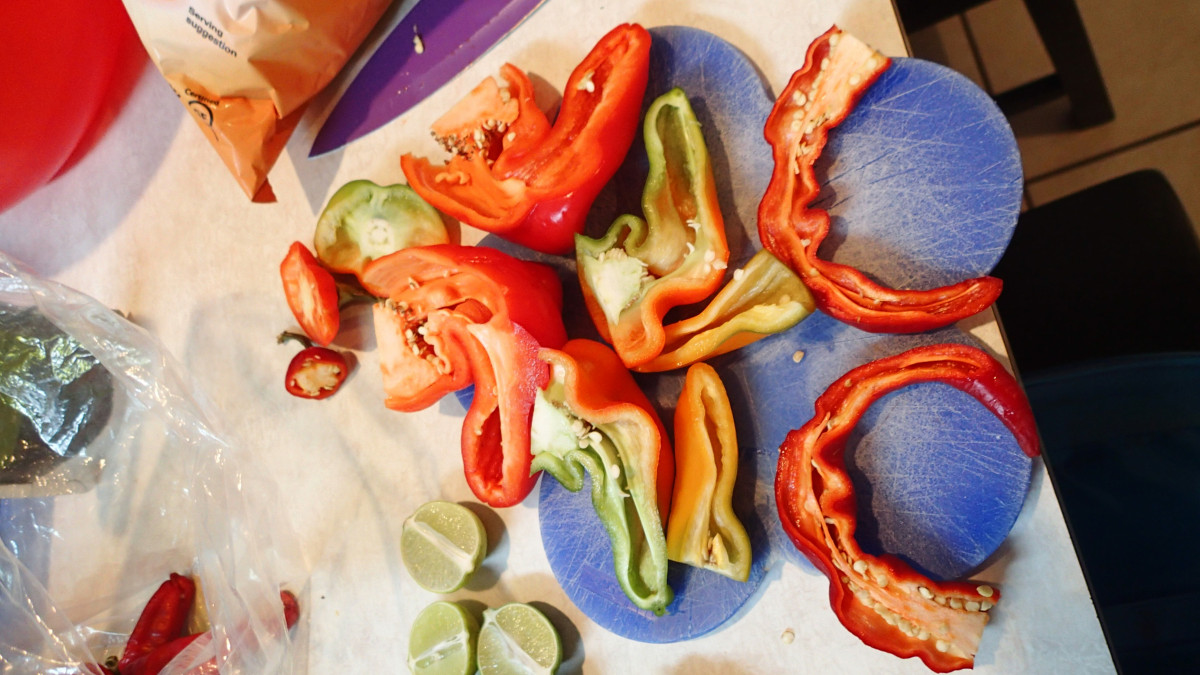
  • About ~2 pounds peppers, stemmed and split on the diagonal (of which I’m using 4 varieties, Ancongoncua, Greek Fantasy, Evergreen’s sweet peppers and long red peppers)
  • 2 tablespoons Hawaiian black sea salt
  • 3 key limes split in twain, squeezed
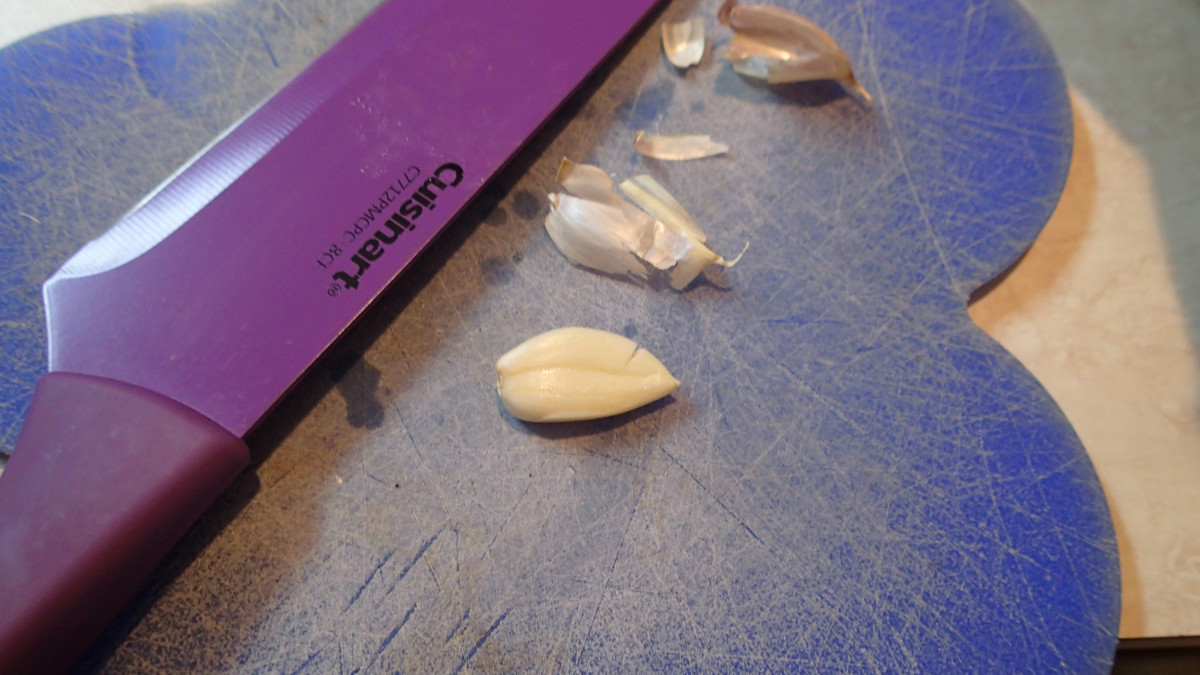
  • 3 cloves garlic, smashed
  • 1 sprig epazote
  • 2 sprigs huacatay
  • 2 quarts of warm water
Epazote on the left, Huacatay on the right. Benjamin Reynolds, 2018
A whole peck of peppers. Benjamin Reynolds, 2018

Sandor Katz’s book isn’t immediately about the recipes as much as it is about providing a more general overview of a subject, what goes into it and the culture behind and around it, so I’m improvising based off a couple of different ones I found online.


All subsequent images Benjamin Reynolds, 2018

Step one closely follows (save my addition of key limes and herbs) the instructions laid down by Katz and the subsequent recipe writers following after. You remove the stems from the peppers, then halve them on the diagonal. I smashed and peeled the garlic cloves, then halved the limes.

After that I began laying my peppers into the vessel, along with the garlic. I gave the herbs a quick slap on my palm before setting them in there. The brine was made with this salt that I happened to pick up on the same day and the juice from the limes, whose husks were also dropped into the container. Then water was warmed on the stove before mixing into the salt and lime juice. When I poured it, it shown its transparency in spit of its inky demeanor:


Since then I’ve made sure jostle, turned and nestle the ingredients a couple times. The brine will go cloudy when it’s ready to blend, transfer and ferment. Additional salt of a different variety has been added, about half a tablespoon’s worth. After that It will be a matter of 2-3 weeks before I see this projects final form.

Week 4, Part 1, Everything Anew

I suppose I’ll start off saying that The Noma Guide to Fermentation just came in, the other day, and I’ve spent some time that, as well as some more time with The Kitchen As Laboratory and Sandor Katz’s Art of Fermentation, plotting my next steps. I’m going to get into Koji mold, which is how we get a lot of Japanese fermented and pickled food and drink and has relatively short turnover time (specifically for the things I’d like to make with it, Miso and Amazake), as opposed to my little hot sauce project, which may take up to three weeks. I might just be able to go to (nearby for me) Arirang grocery for the Koji, but I am definitely going to have to get myself down to Olympia Supply for at least 1 fermentation grade jar while my peppers brine. I’m also entertaining the notion that I should revisit the cultured butter I had a go at in Gastropoetics, but with a little bit more of a scientific variance by doing multiple batches with different methods. Finally see what that Danica Florins culture mentioned in Ole G Mouritsen’s Mouthfeel imparts.

In other news, I’ll be slowly, but surely redoing my blog output from this point forward to a slightly funner format as seen in both Mouthfeel and The Kitchen As Laboratory, both to help organize my own thoughts better and to communicate & document the cooking and food science approach I have been settling into, now that I know I will not be engaging with an internship, this quarter. For, now, I will move onto the next post, which is about peppers.

3rd week’s 2nd round of tomato time

As stated last time, I made some oven dried tomatoes, but I first roasted a larger amount, then separated them into two groups. I had this other set of tomatoes chilling out in the fridge for about 4-to-5 days after that. I decided I would make a tomato paste with them. To do this, I took what I had, the remainder of the olive oil I had used last time (about 1/8th of a cup), and about 2 teaspoons of a grapefruit white balsamic to wake it up a bit. I put this all into a pot, set it low, and condensed it, also I crushed the tomatoes with a wooden spoon. The overall mass reduced to what you see below, roughly a cup and a half of material from 8 medium-small and 1 extra large tomatoes.

Tomato paste that doesn’t look so hot
Taken by Ben Reynolds, 2018

Second Week’s Minutes

No new pictures, this week. Spent quite a lot of time contacting people. Got an in-person down at Cascadia Homebrew and basically got an internship set up co-currently with another Evergreen student who’s doing an apprenticeship. I was mixed up with the apprenticeship student, briefly. I am rewriting a section of my ILC and printing some forms out for when we’re both there next.

Project wise, I’ve gotten a start on the first half of my first personal food preservation exercise. I’ve been getting a lot of vegetables from the on campus farm stand and the am starting to get some more from the farmers market. The set up for my pepper fermentation idea is setting into place nicely.

The thing I’ve been doing is with tomatoes, though. I have a whole host of farm stand tomatoes. My plan is to preserve half of them by drying and half by making preserves, and I have just recently finished the drying stage. I sliced the medium tomatoes into halves and the large into quarters, dressed them with a very light pinch of salt and olive oil and roasted them at 250F for about 2&1/2 hours. From there, they were removed from the oven, placed into a separate container and chilled out in the fridge for about 48 hours. Next, about half of my medium sized tomatoes were selected for the drying process and back into the oven they went at 200F for 8 hours, with hourly visual inspection. I’ll bring some with me to our meeting.

First week time management and the Northwest Tea Festival

All Photos Benjamin Reynolds, 2018.

This week had more sudden family time than I’d anticipated.  I’d only satisfied maybe 23 of my 30 weekly hours, but now that I have all sorts of things sorted and out of the way, I feel I can more easily meet the weekly hours. So far I’ve only been able to head downtown a couple times. I have a potential intern/apprenticeship offer at Encore Tea and Chocolates, but I first want to get into contact with Rawk Star foods, Tumwater’s Good Karma Kitchen and Cascadia Homebrew.

I’ve gotten some good ingredients from the Evergreen organic farm. I think I’ll be able to begin a corn nixtamalization this week. I got in touch with Olympia Olive Oil, and I think I can get something good for preservation.  Sandor Katz’s Art Of Fermentation came in this week, and I’ve begun reading James Beard’s Delights And Prejudices. Also talked about how to make tea a detectable ingredient in a finished kombucha when I visited Encore. Apparently the culture that kombucha is made with also eats tannins, so one option for this goal is their Irish breakfast blend. I’m also thinking of blending some shou pu-erh and lapsang souchong, because of their, strong, distinct flavors.

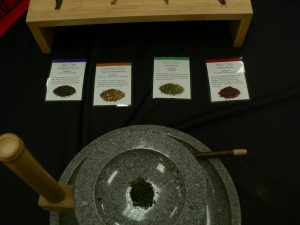
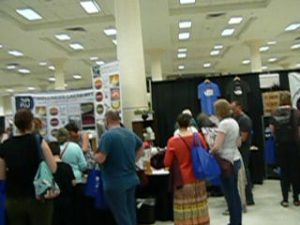
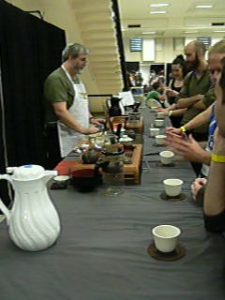
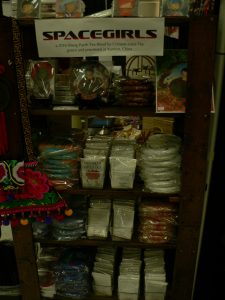
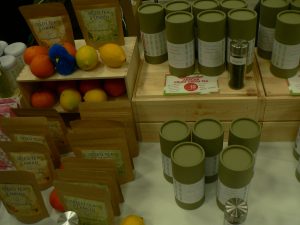
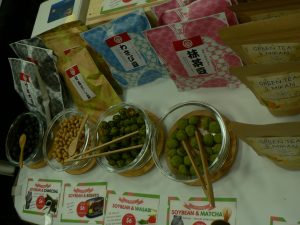
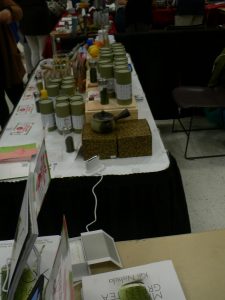
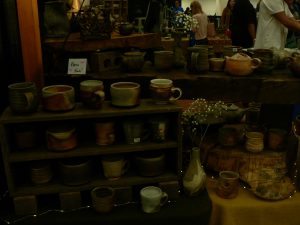
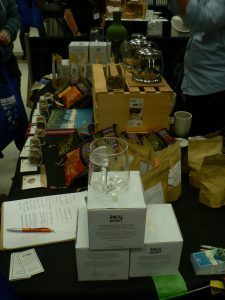
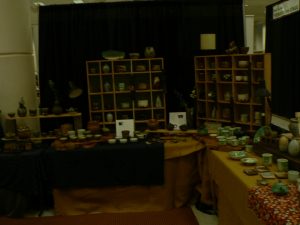
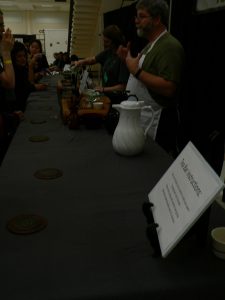
The Northwest Tea Festival was a very active event. Unfortunately, the workshops I was aiming for were rounded up and out before I could touch them. The vendors on the floor-space were very communicative, however, so I still got a lot of good information. I didn’t see any yellow tea as I was milling about, maybe it was only available to taste at its specific workshop. Probably the most helpful one was the Tea Bar run by Whatcom Tea. They were doing “rapid fire” taste comparisons at a turnover of 3-5 minutes. Their daughter was doing a separate, 20 min session for one tea, all day. The 20 minute session tea was a 2007 Yunnanese Snow Dragon white that they had incidentally aged on the shelf when they tried, found it awful and forgot about it, by the time we tried it at the event, it had mellowed into a tea with a consistent pea shoot, licorice, and stone fruit character from its prior harsh bitterness. One of the observers mentioned that while they worked at Teavana, their supervisors told them to throw away any tea that had reached a year old on the shelf. The same person also mentioned they were aging a green tea in a bamboo wrap. While I was at the Miro Tea display which had a whole variety sit down tasting space, we tasted and talked about their 1986 Baozhang oolong, an older vintage oolong that they felt was nasty and their Wuyi bourbon barrel aged tea. The bourbon barrel tea is aged at Miro sort of on a whim because they had quite a bit of that particular Wuyi black tea.

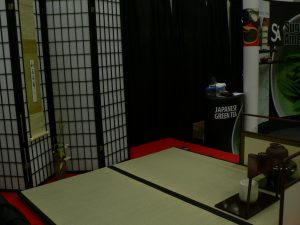
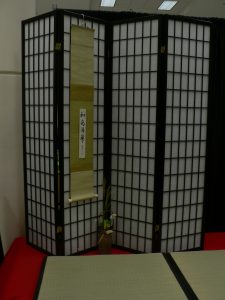
Tea was being brewed fairly constantly, both with gaiwan and small, Japanese style kyusu side-handle teapots, various people across the floor talked and demonstrated their methodologies, utensil handling, steeping times, temperature reading and control. If I want to go forward steeping anything other than black tea in my own untouched gaiwan, it seems I’m going to need to address reading/controlling temperature, for example. There aren’t really any hard and fast rules to this style of tea-brewing. There was also a traditional Japanese tea ceremony space attached to one of the Japanese tea companies present, along with a Wu-Wo tea ceremony event, both of which were first-come, first-serve small capacity events I just barely missed.

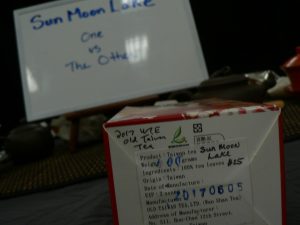
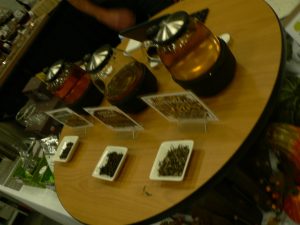
My rounds at the high speed “tea bar” sessions, in chronological order, were a comparison of two green teas that were fairly light in flavor, 2 aged oolongs of the woody/mushroomy variety, very recently imported powdered yak butter tea (one “salt”, the other “sweet”), pu-erh aged in dried citrus fruit claimed to having medicinal properties, and two consecutive years of a Taiwanese black tea from Sun Moon Lake which was produced from an irregular cultivar or subspecies and typified  as a Ruby Red tea, which there are quite a few different producers producing wildly different results.