All photos benjamin reynolds 2018
Ingredients
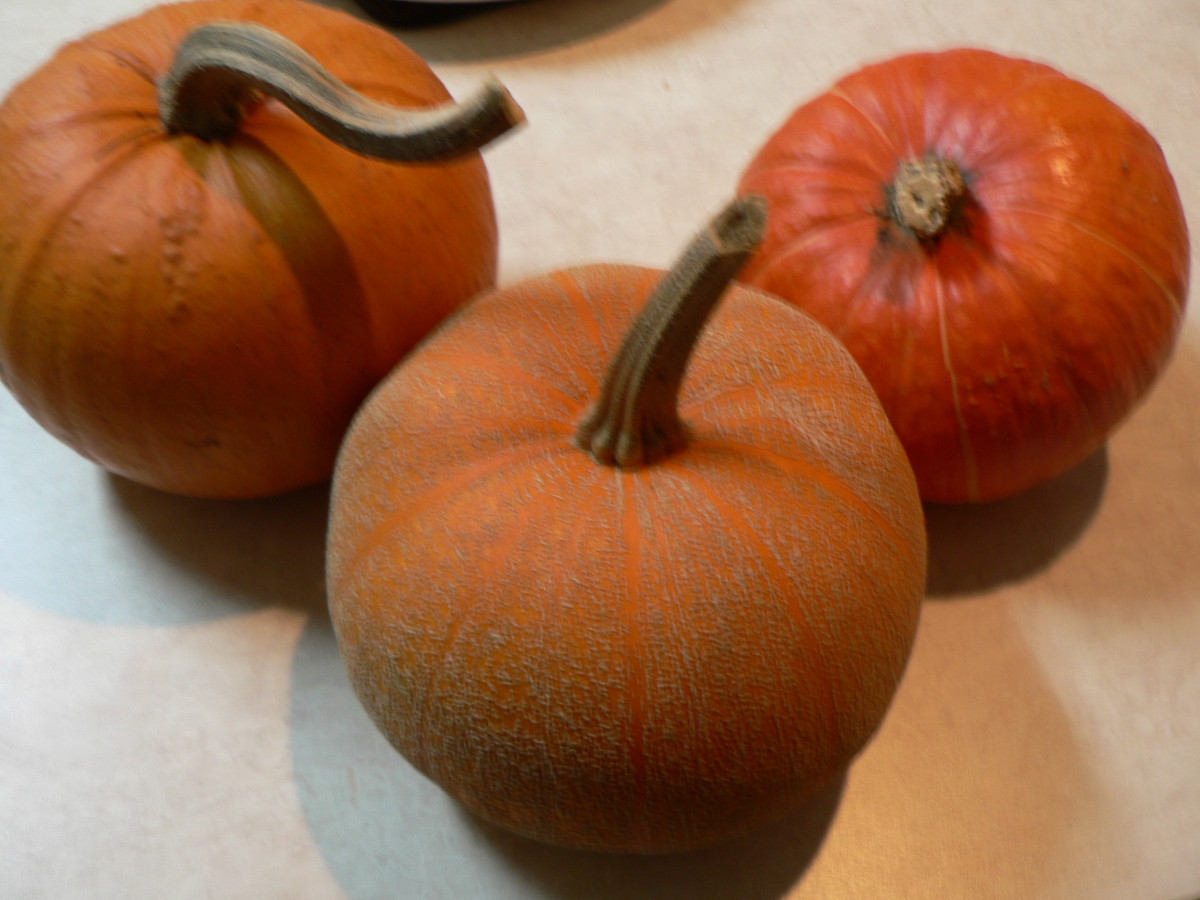
Pumpkins
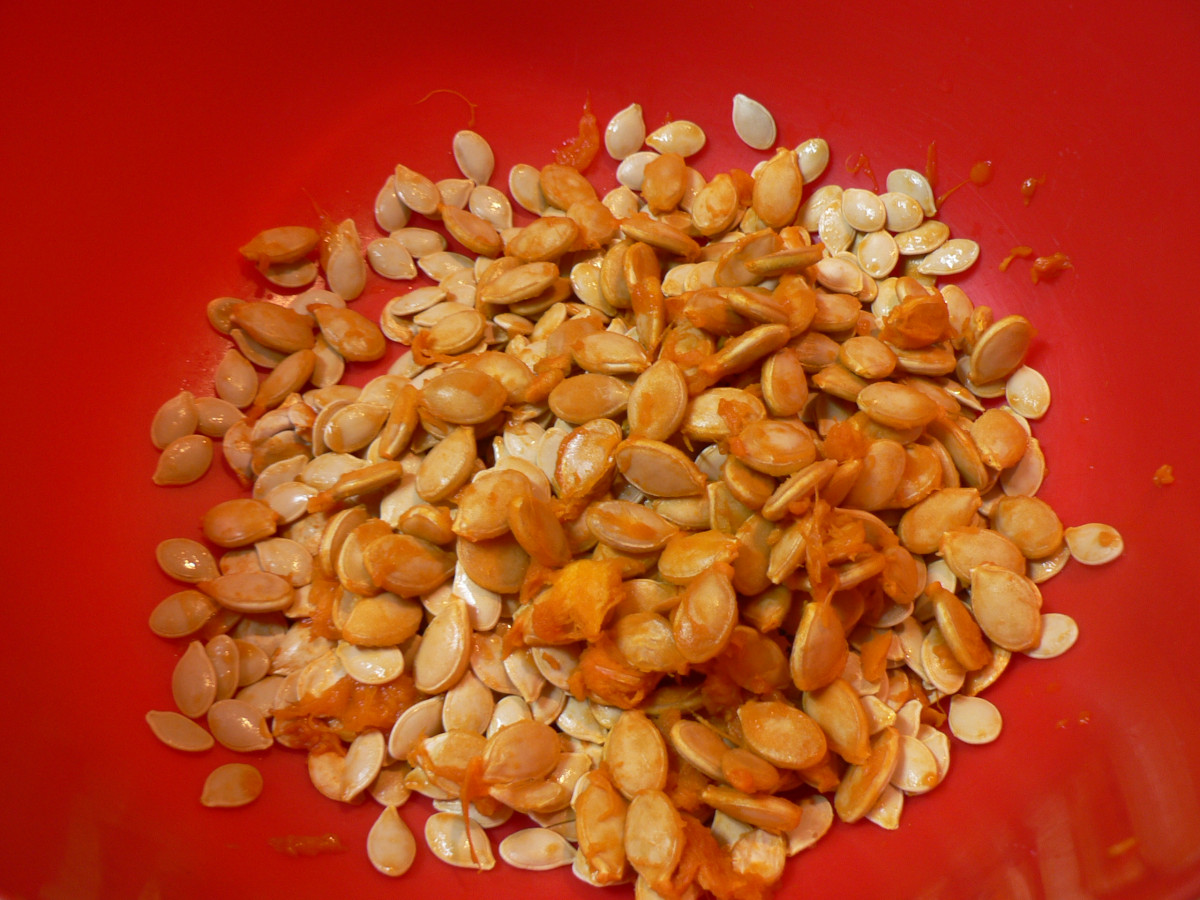
Pumpkin seeds
Salt
Your last bit of specially blended cinnamon
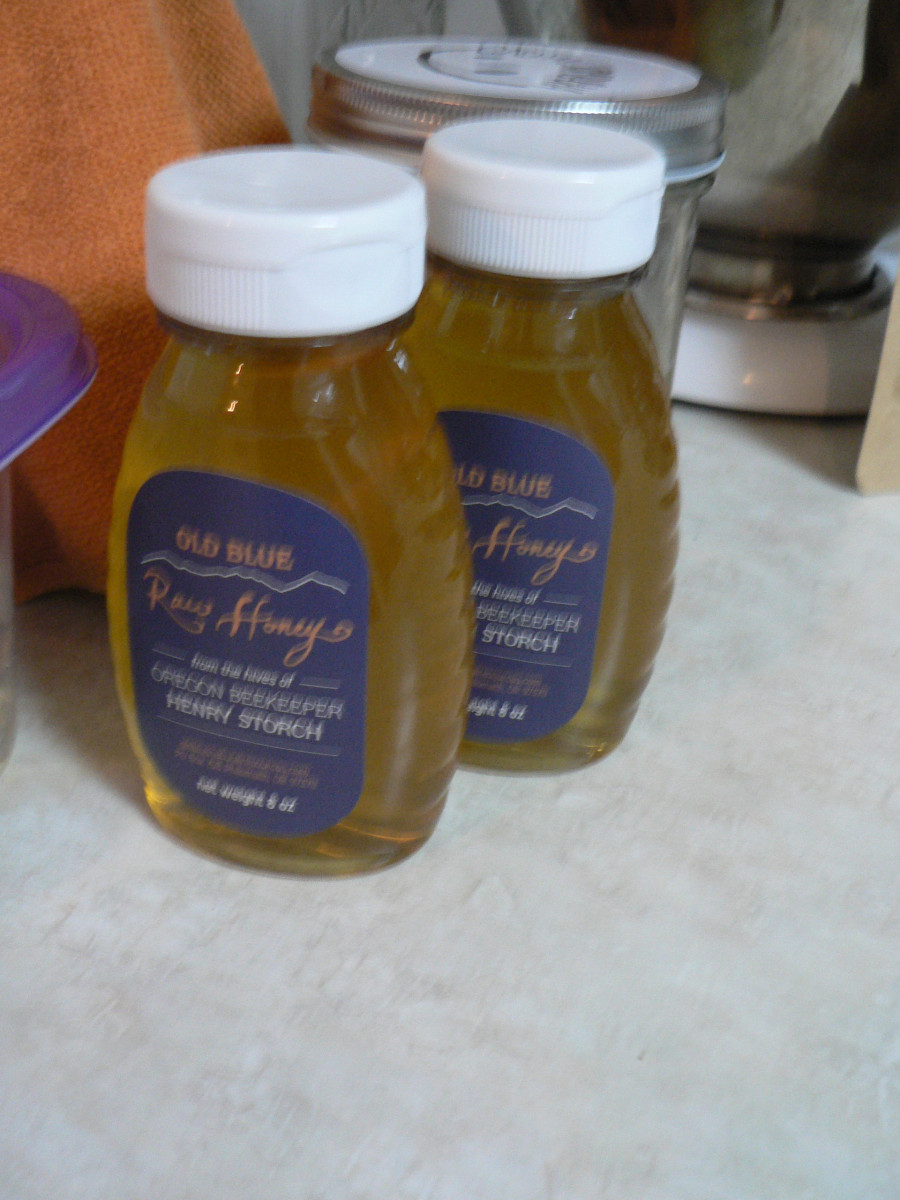
honey
avocado oil
a oven
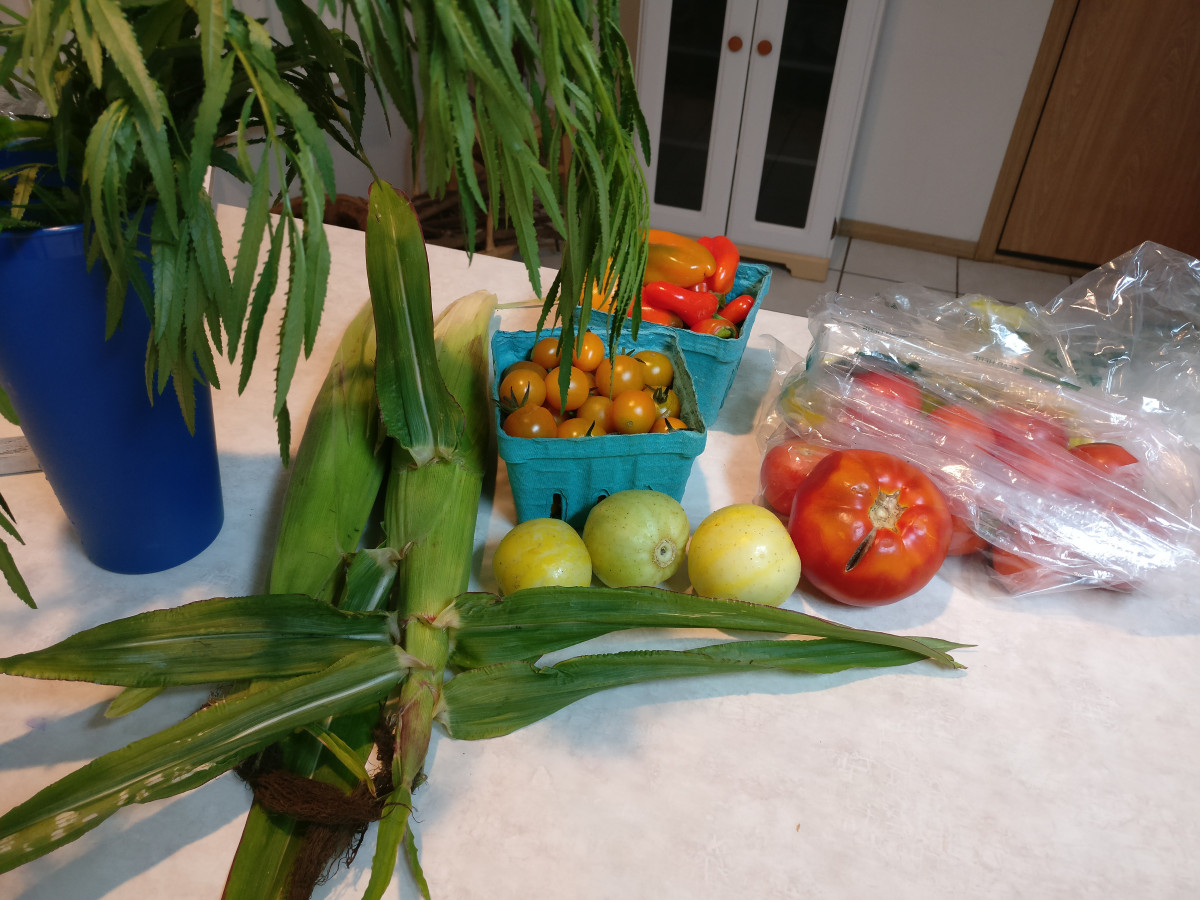
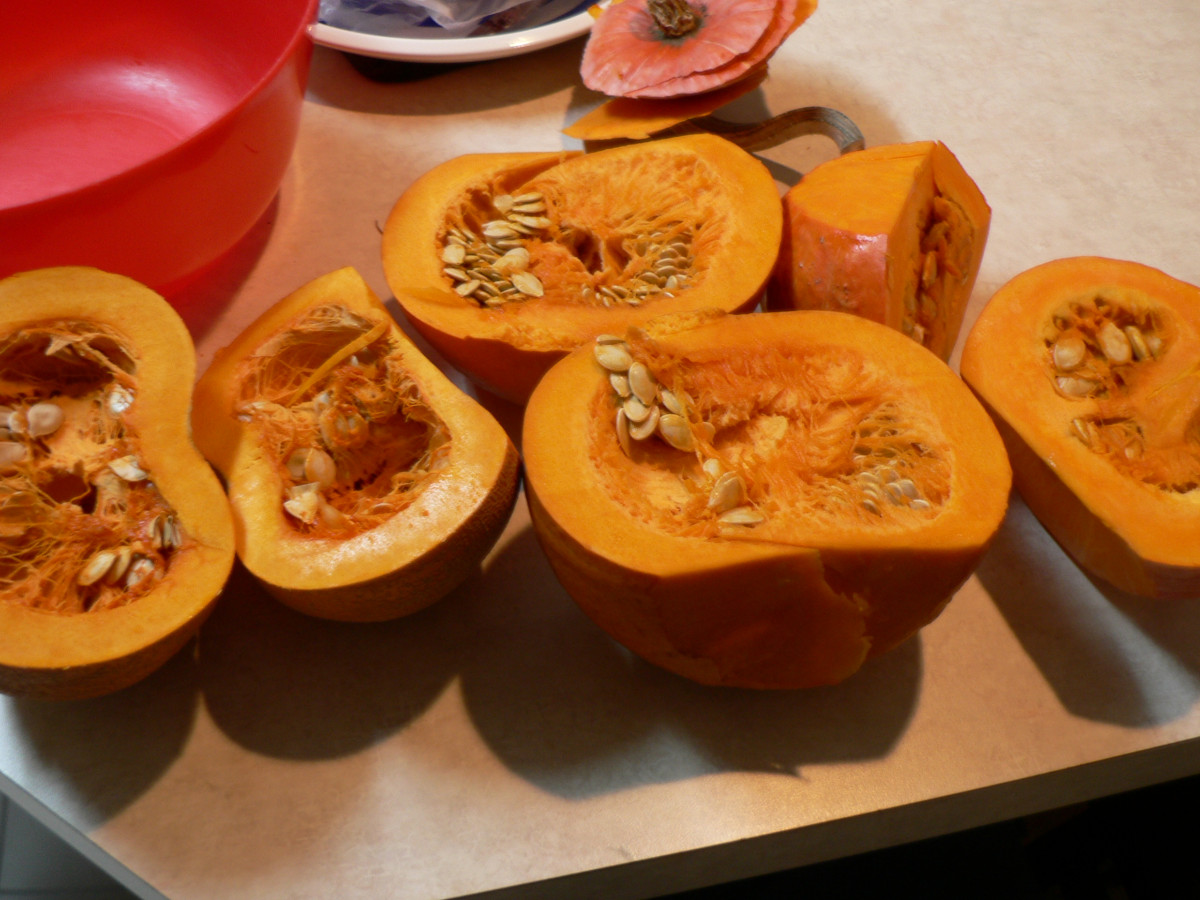
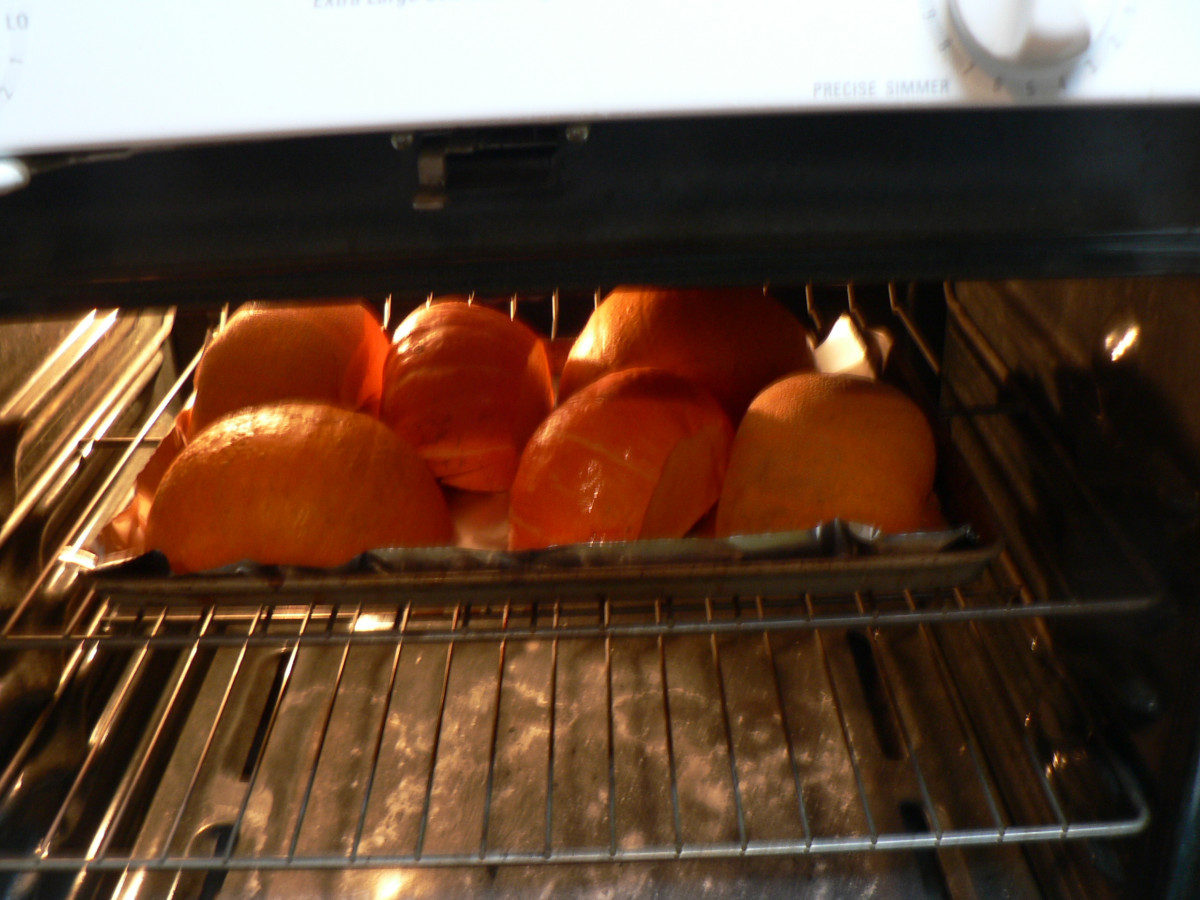
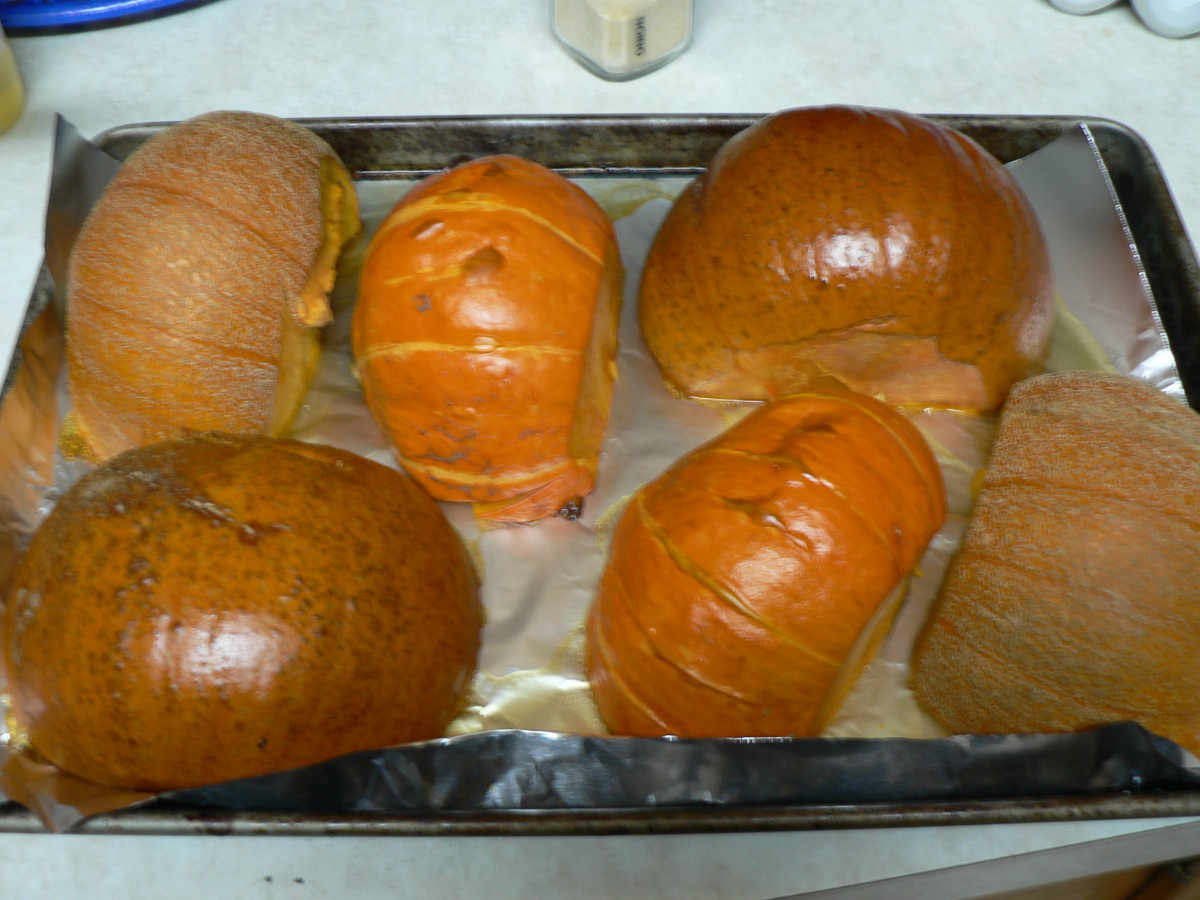
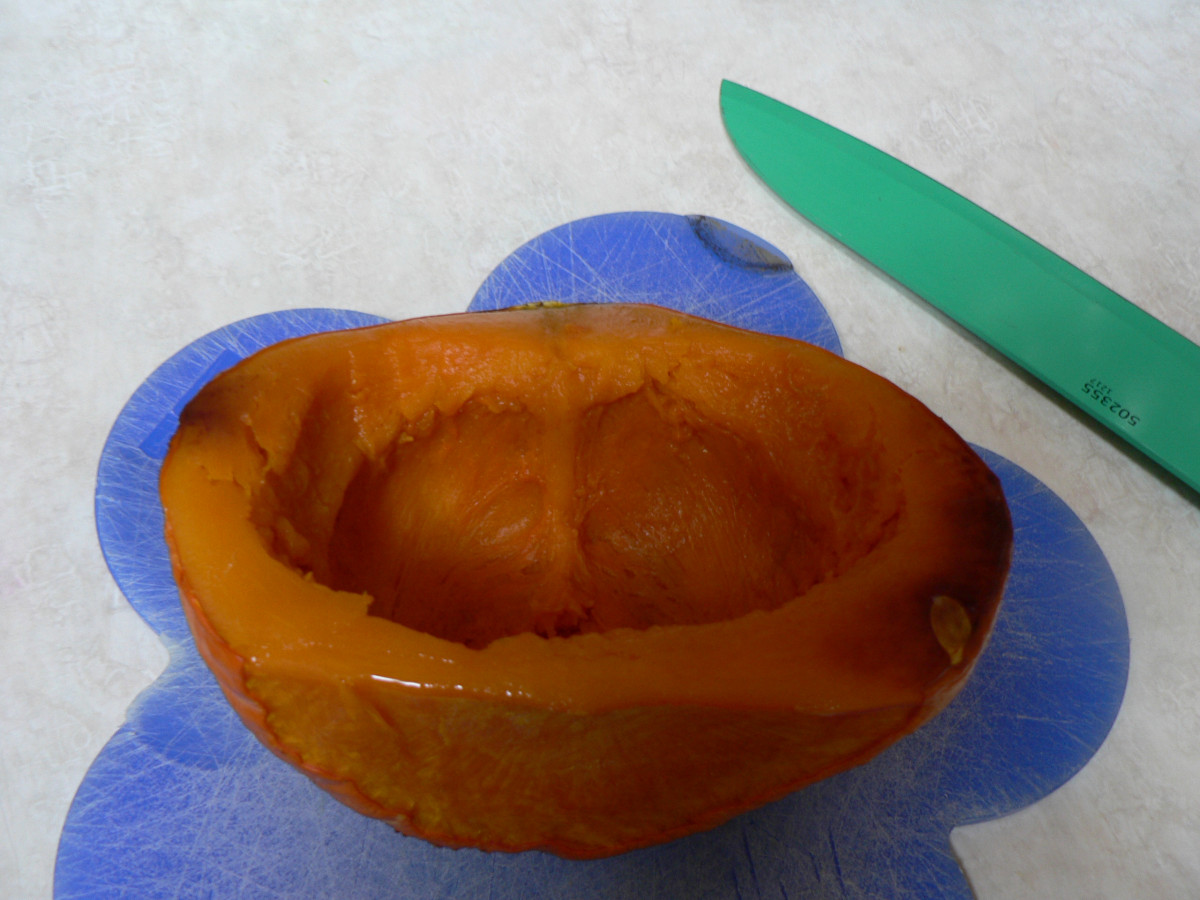
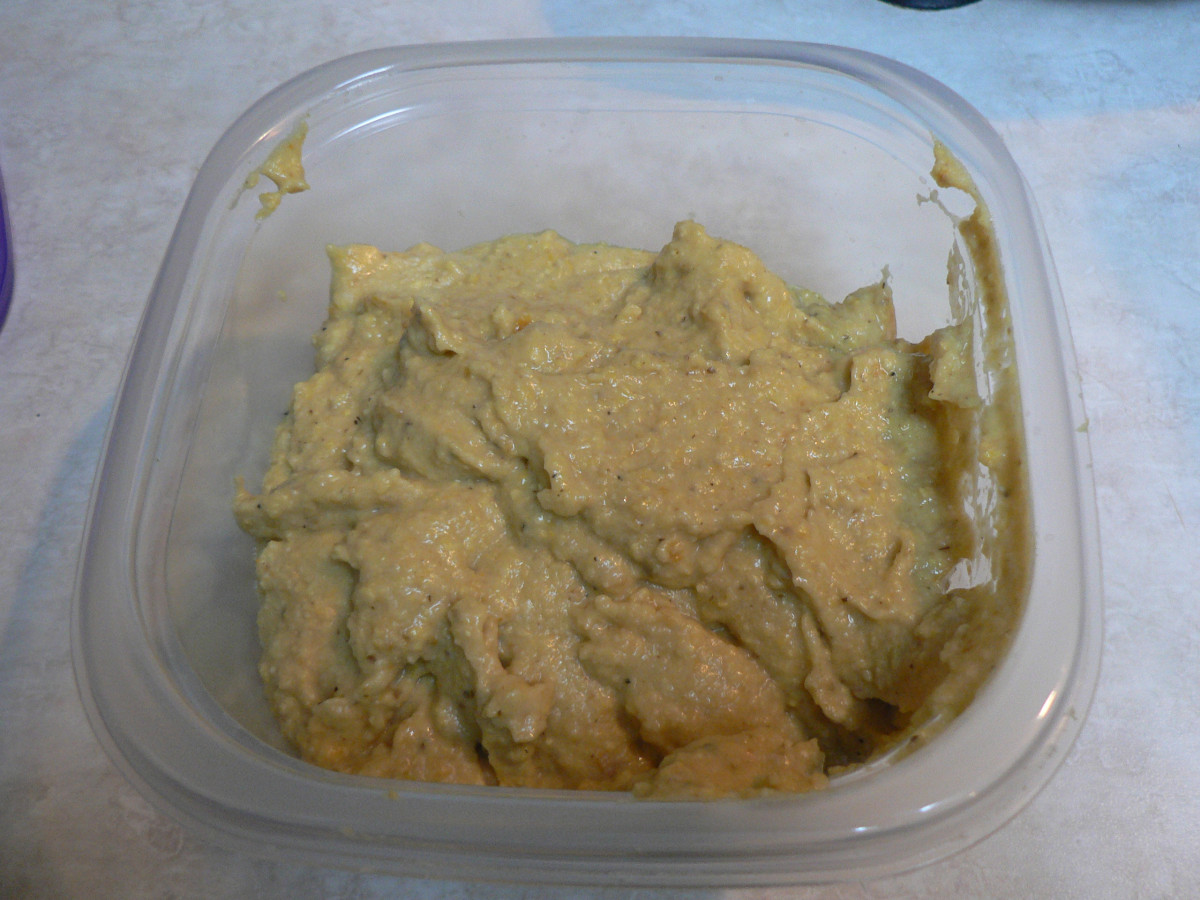
So, this is two recipes in one largely because you’re sort of doing it all at the same time. De-stalk them gourds with a knife, then cut them in halves starting from the smooth plateau that results from the first cut (the second cut goes much more easily than the first, which might make you question what you’re even trying to do). To scoop the seeds and pith out, the recipe I read recommended a melon baller, which I just happened to have and was very effective. Separate the seeds into a colander, we’ll get to those later. For right now, we’ve already preheated the oven to 350F and are placing our halved gourds on a baking sheet.
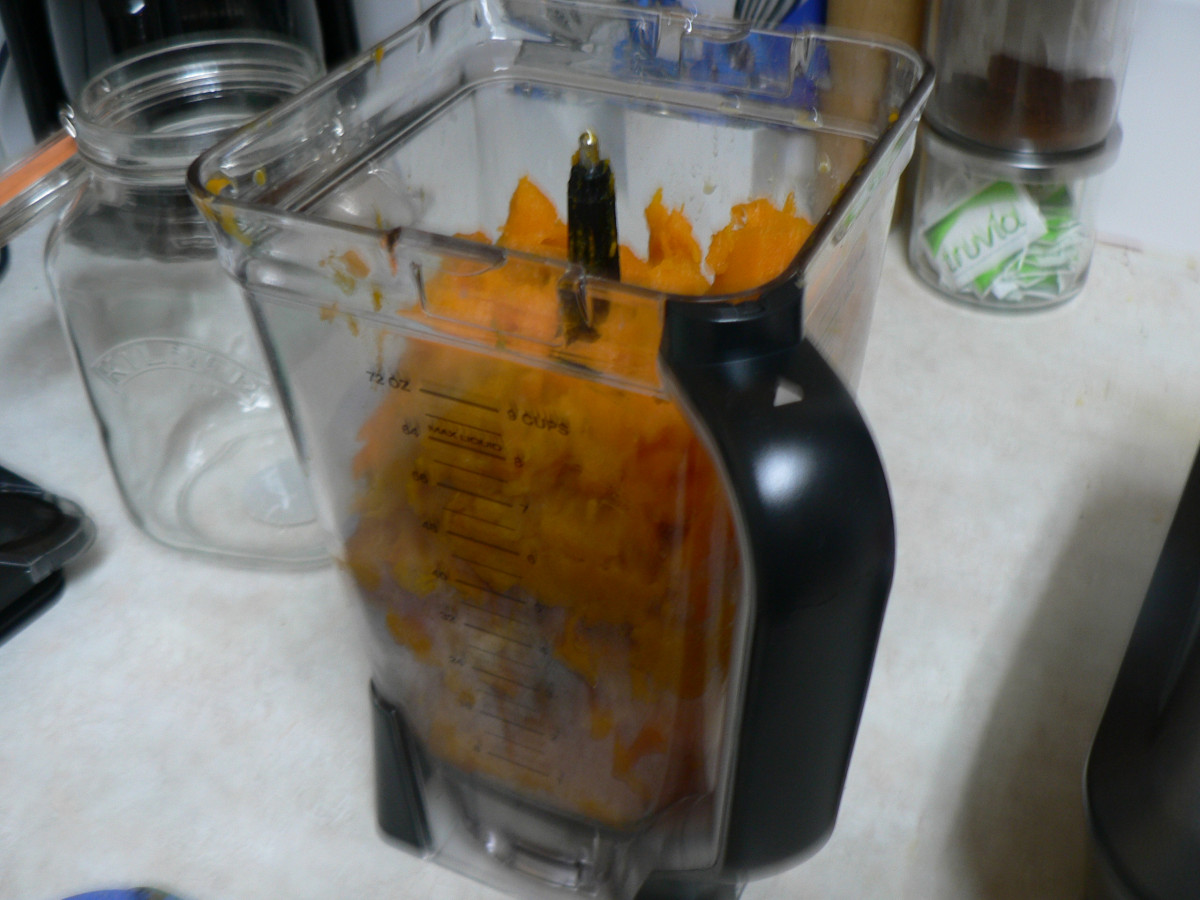
While this is going on, we’re gonna rinse our pumpkin seeds, separating them from the pith and really have much of an impact on that pumpkin slime. After what turns out to be an hour and roughly twenty minutes, get those pumpkins and squash out of the oven and allow to cool for at least a half hour. Set your blender up. Alright, now end up meticulously scooping all the pumpkin out of the rind into the blender with the last bit of some cinnamon you’ve blended a while ago, about a tablespoon of impulse buy honey and just keep blending that stuff until you get a nice, smooth puree. Jar it.
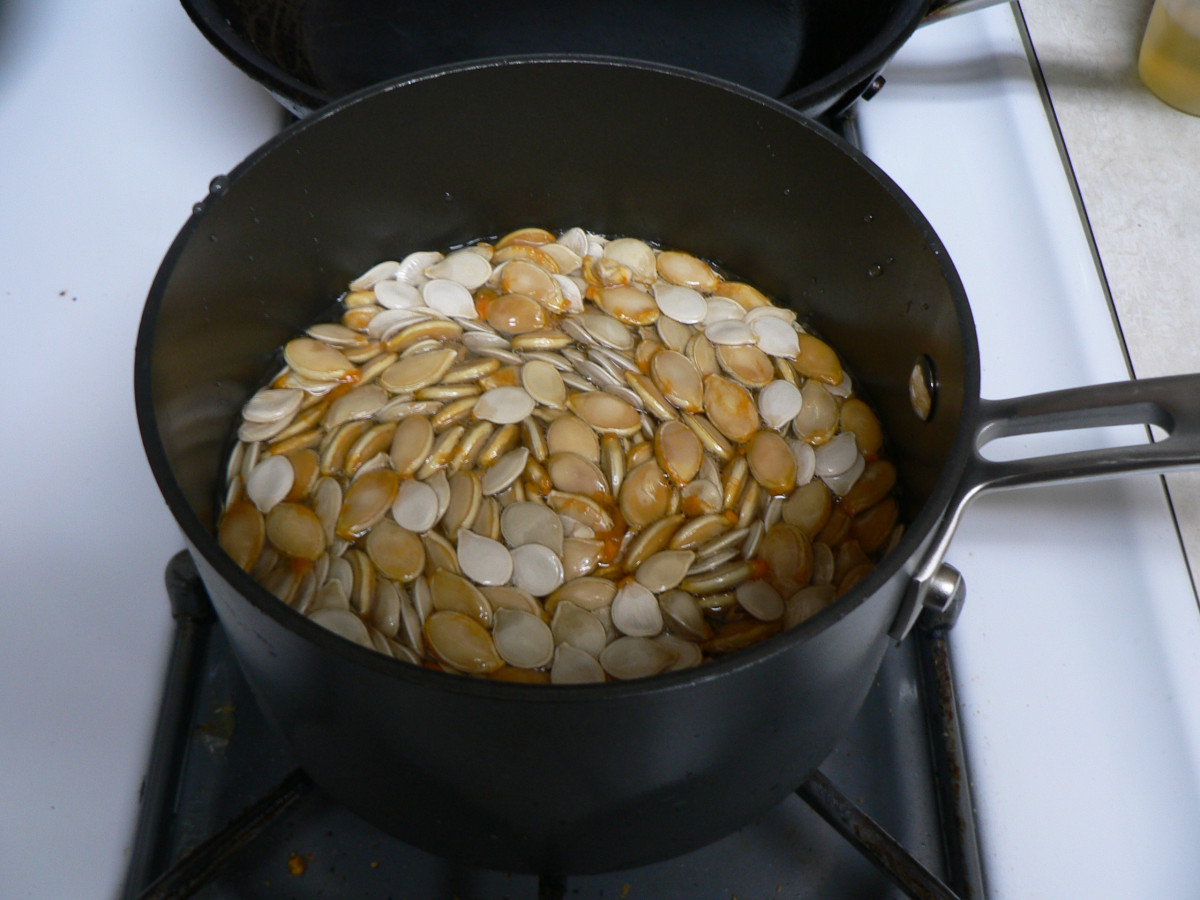
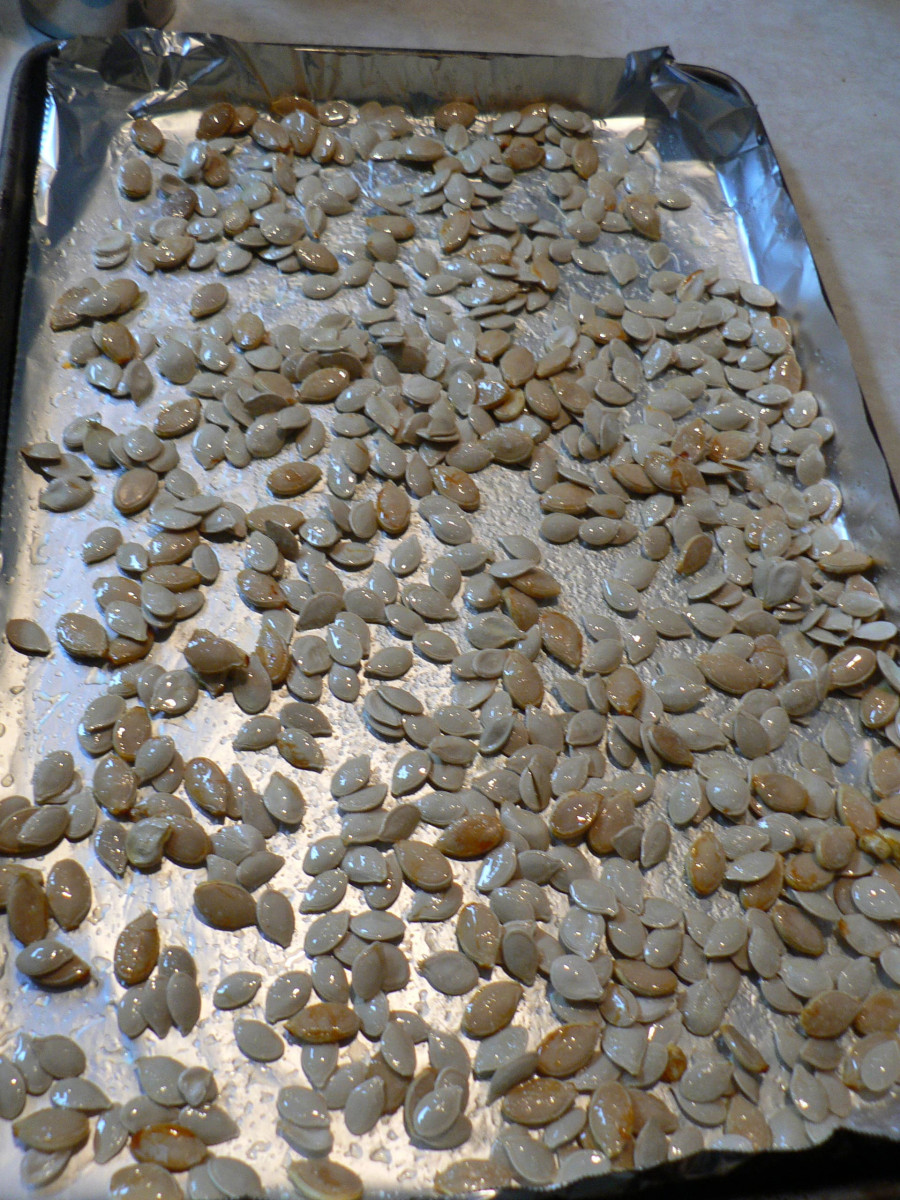
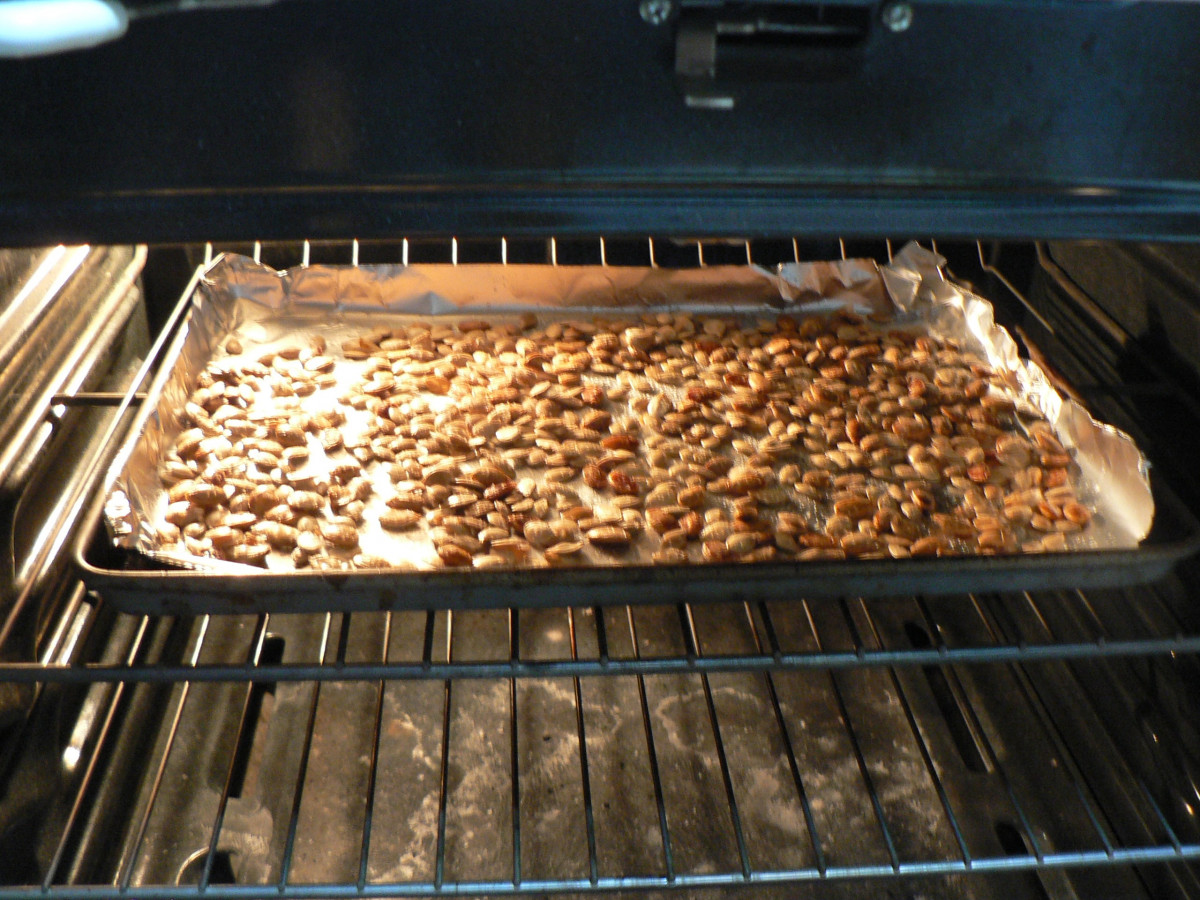
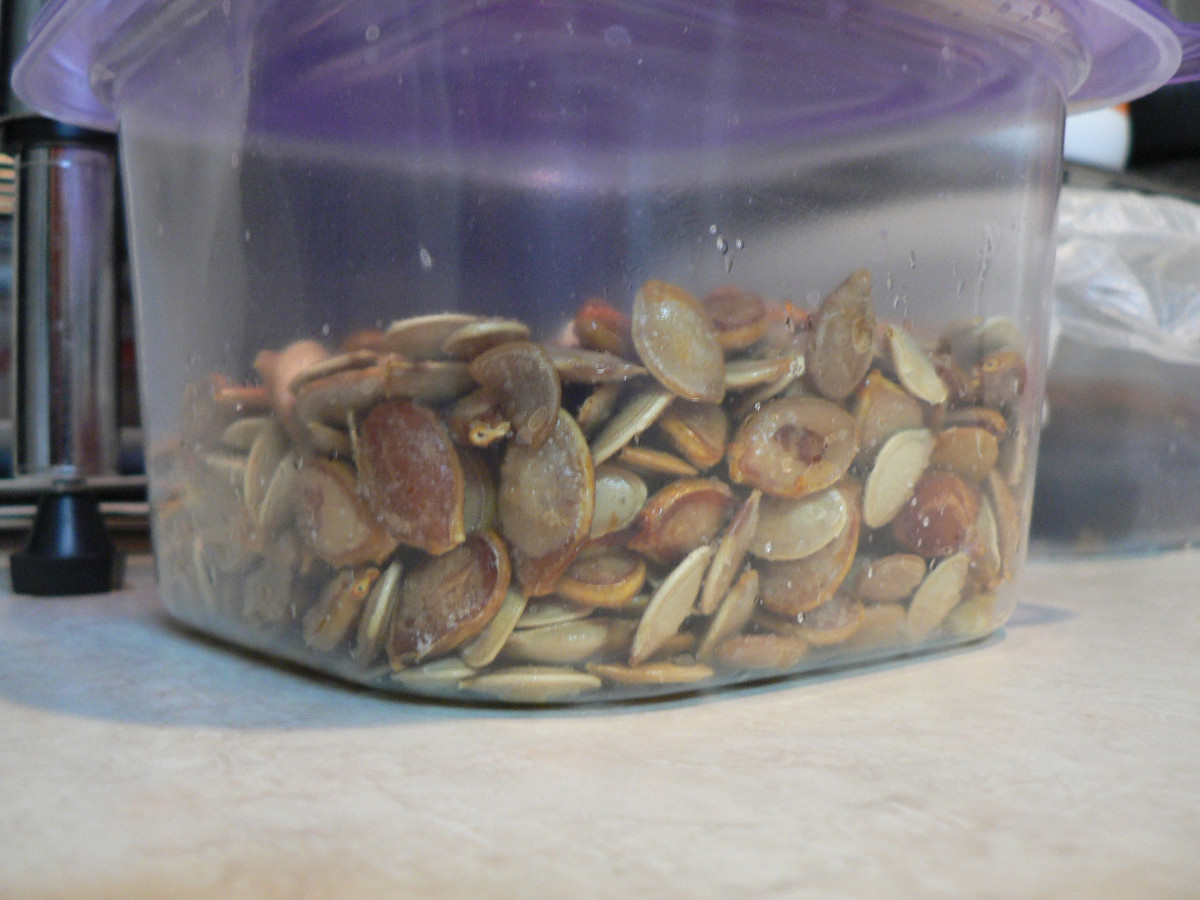
Alright, now that we have a baking sheet empty of pumpkins, lets get those pumpkin seeds blanching because you read a youtube comment some time back about how to pull the bitterness that pepitas can impart to mole from a user whose family passes down a recipe. We’ll blanche it for about 5 minutes, rinse them again, and then set them out to dry on our baking sheet overnight. Bake them the following afternoon, dress them with avocado oil and salt before popping them in your oven that was pre-heated to 250F for a little over an hour. Bam! You got pepitas!
by the way, it was me, benjamin reynolds, who took all the picturegraphs 2018
Ingredients
1 somewhat used SCOBY
A knife
A very small pot
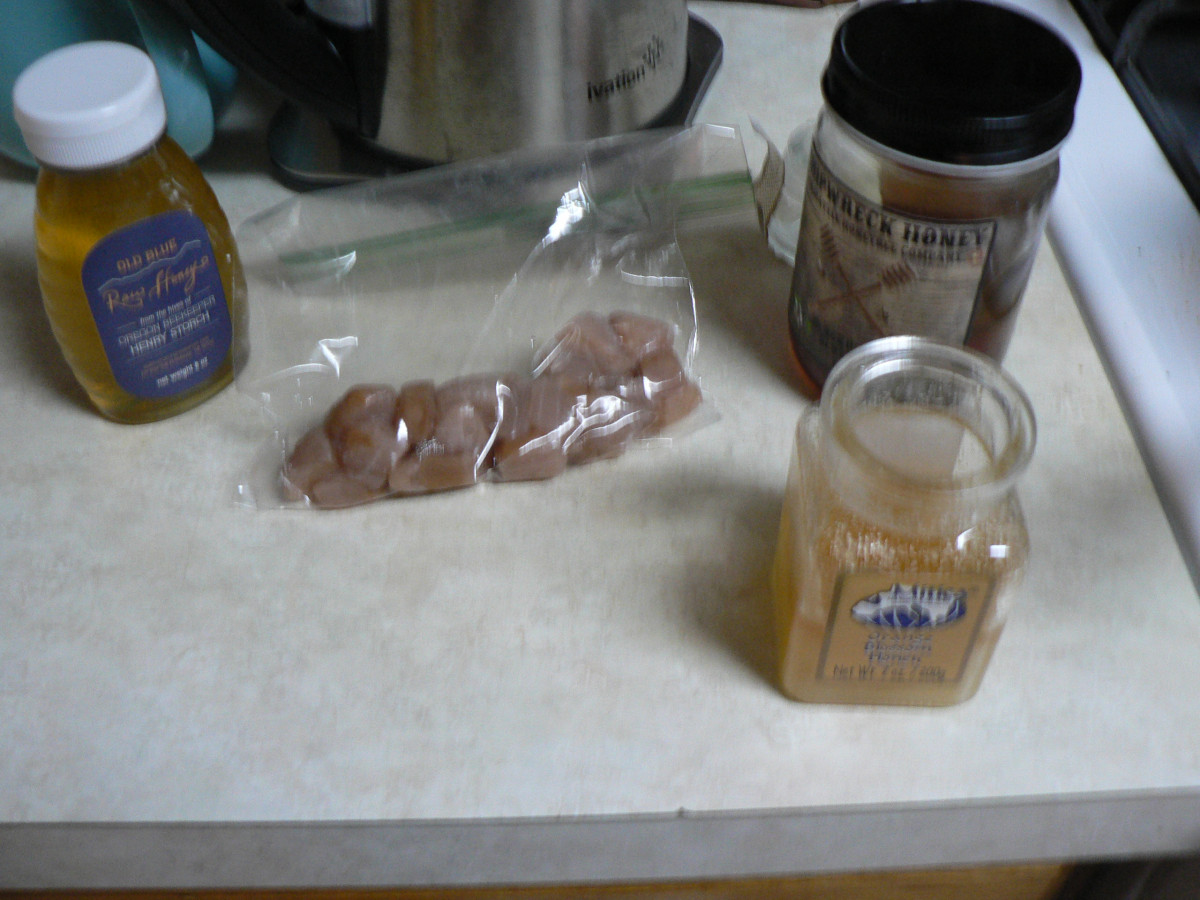
A sweetener (I used honey because… I can)
Just enough water to cover
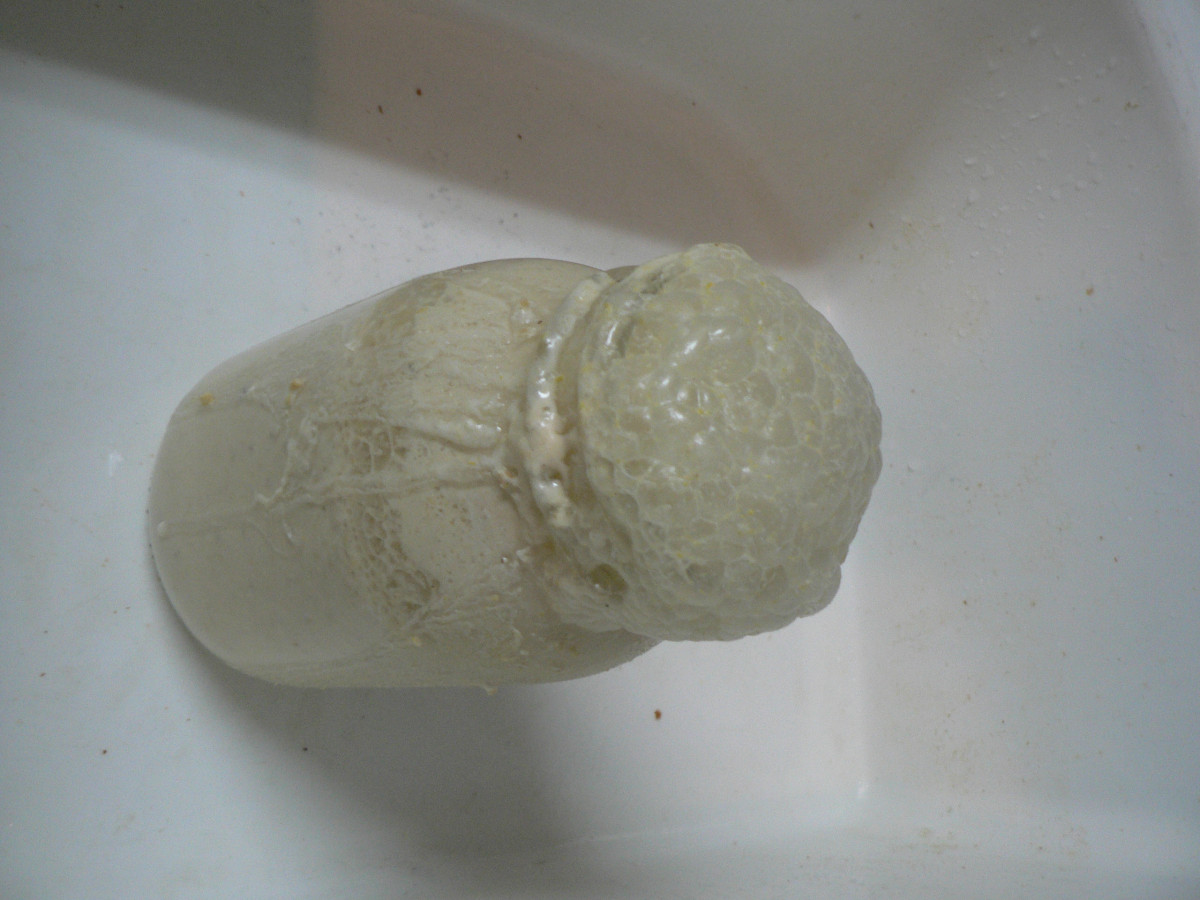
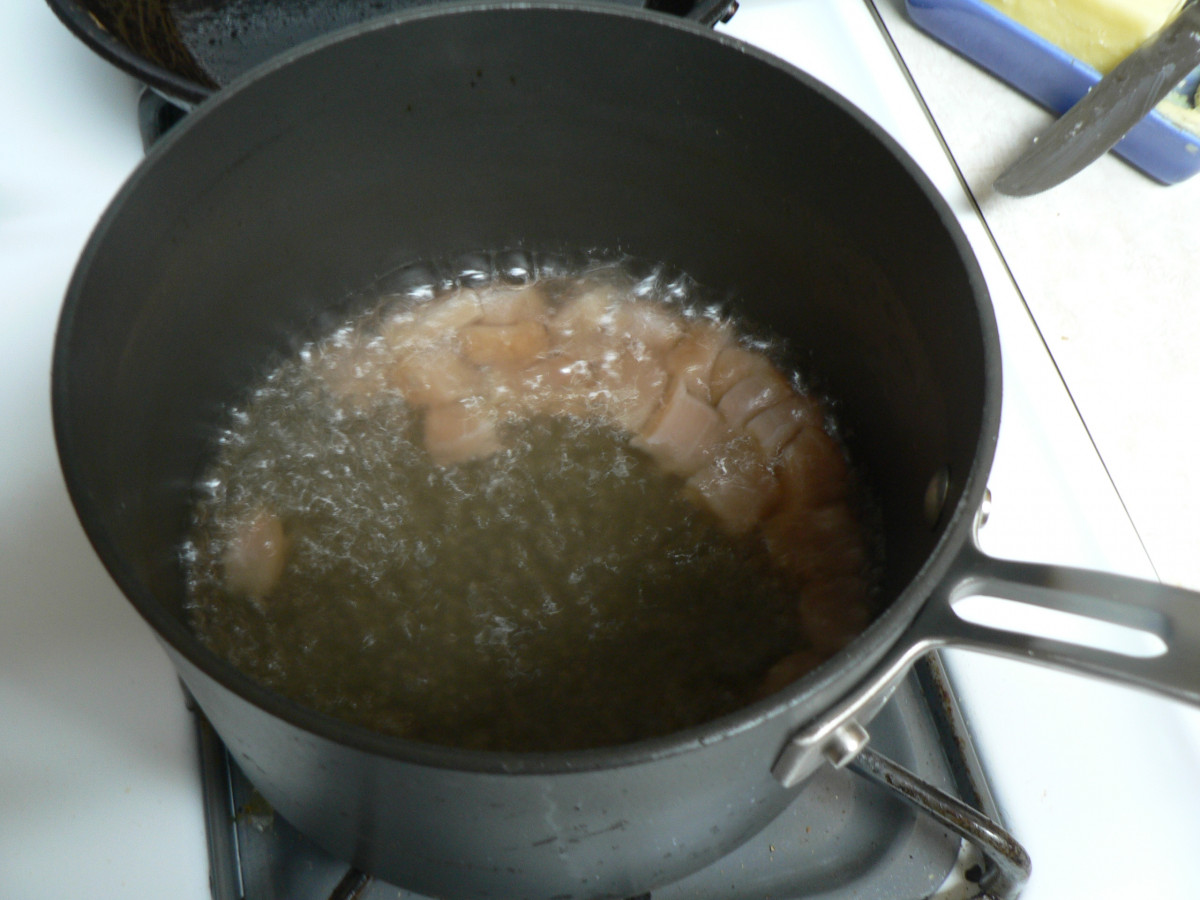
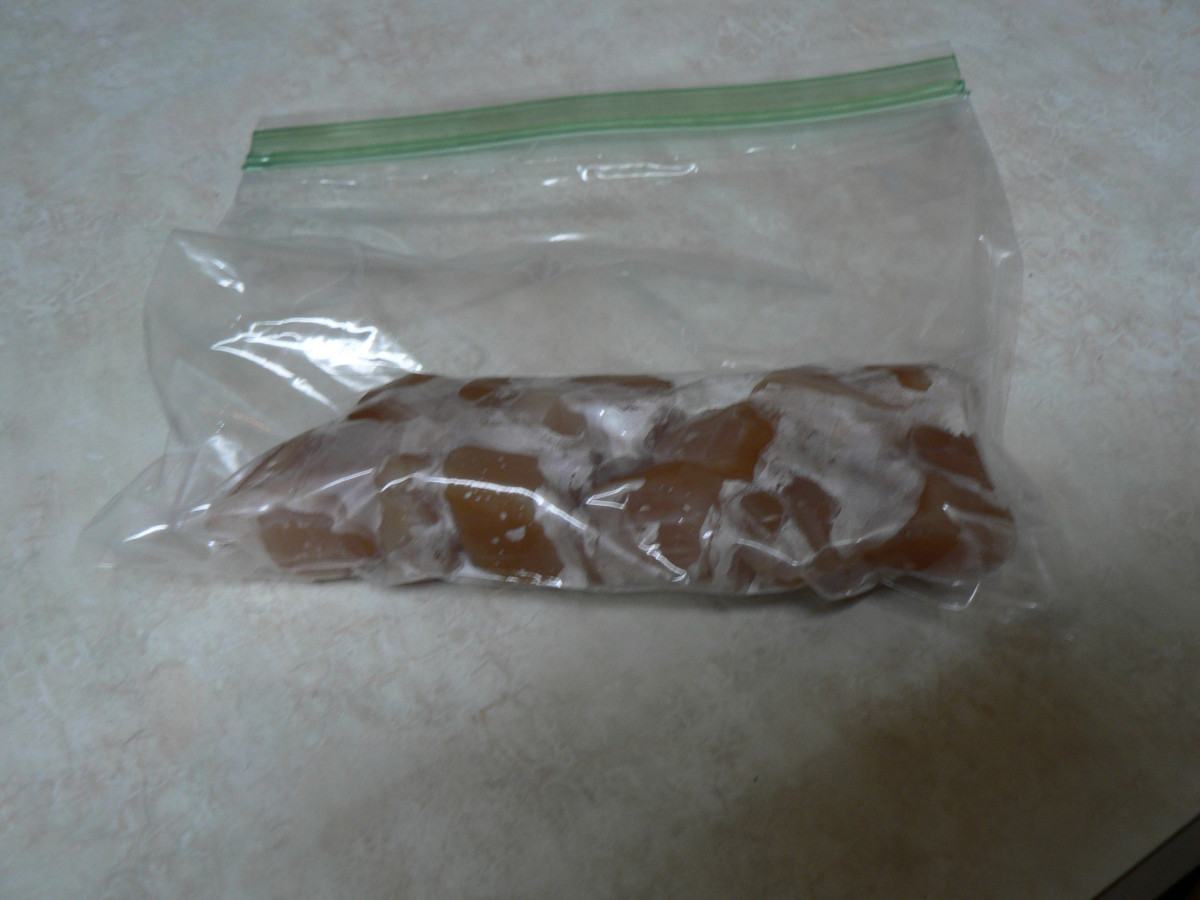
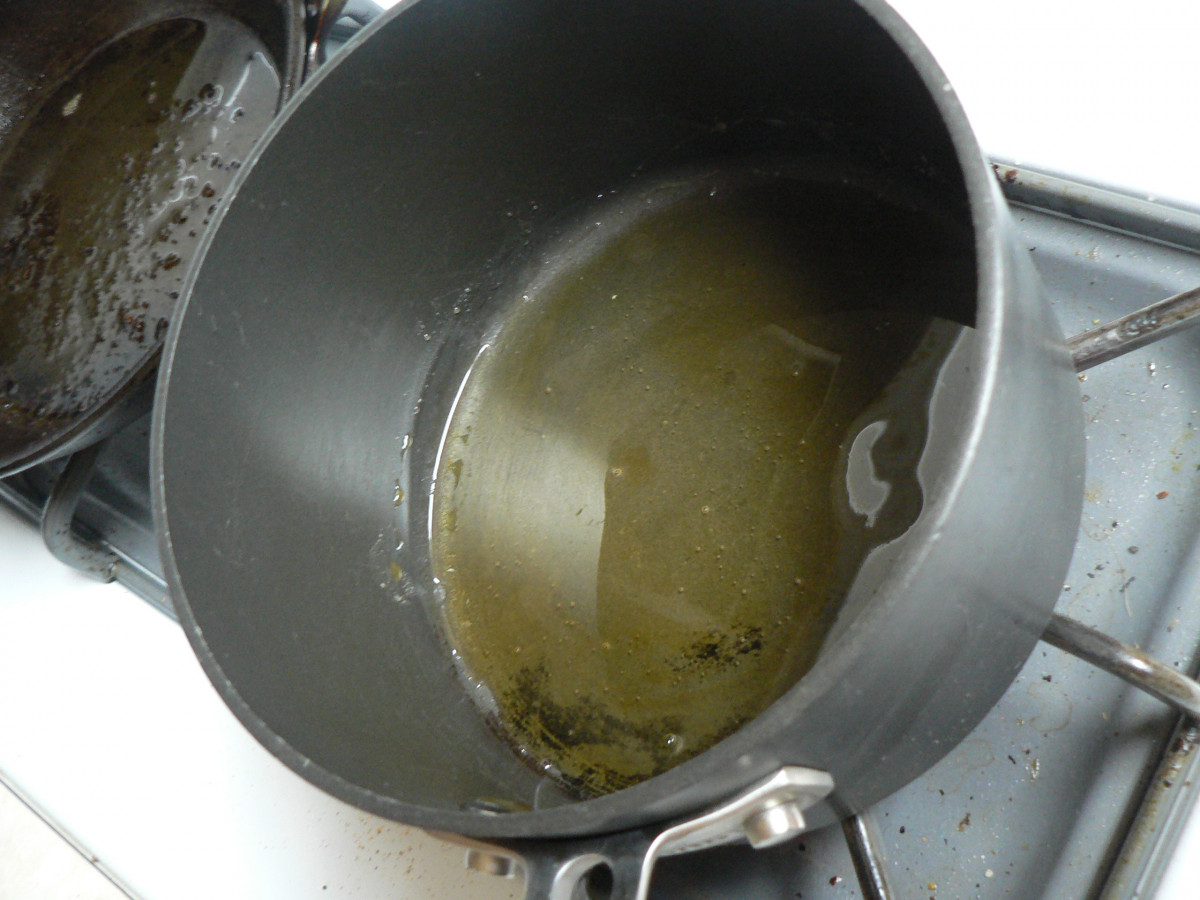
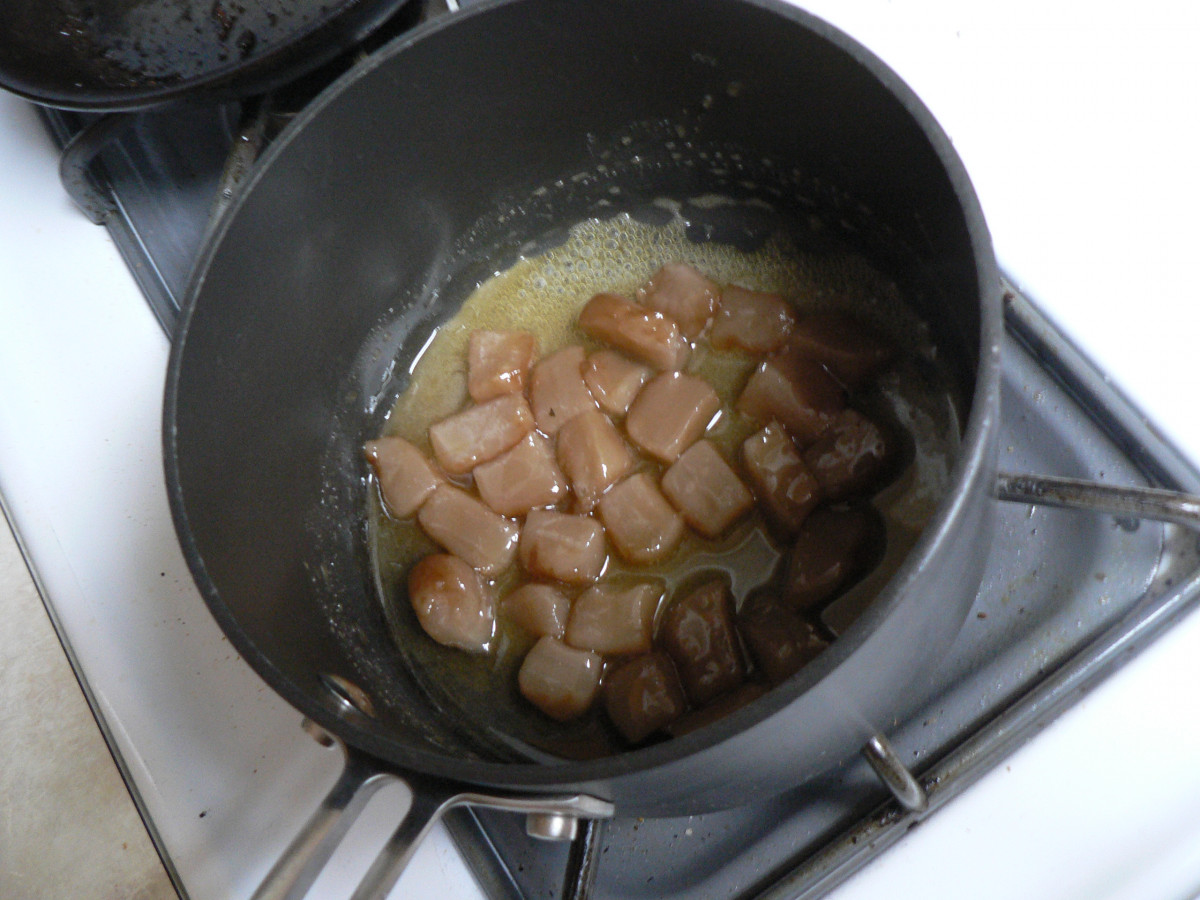
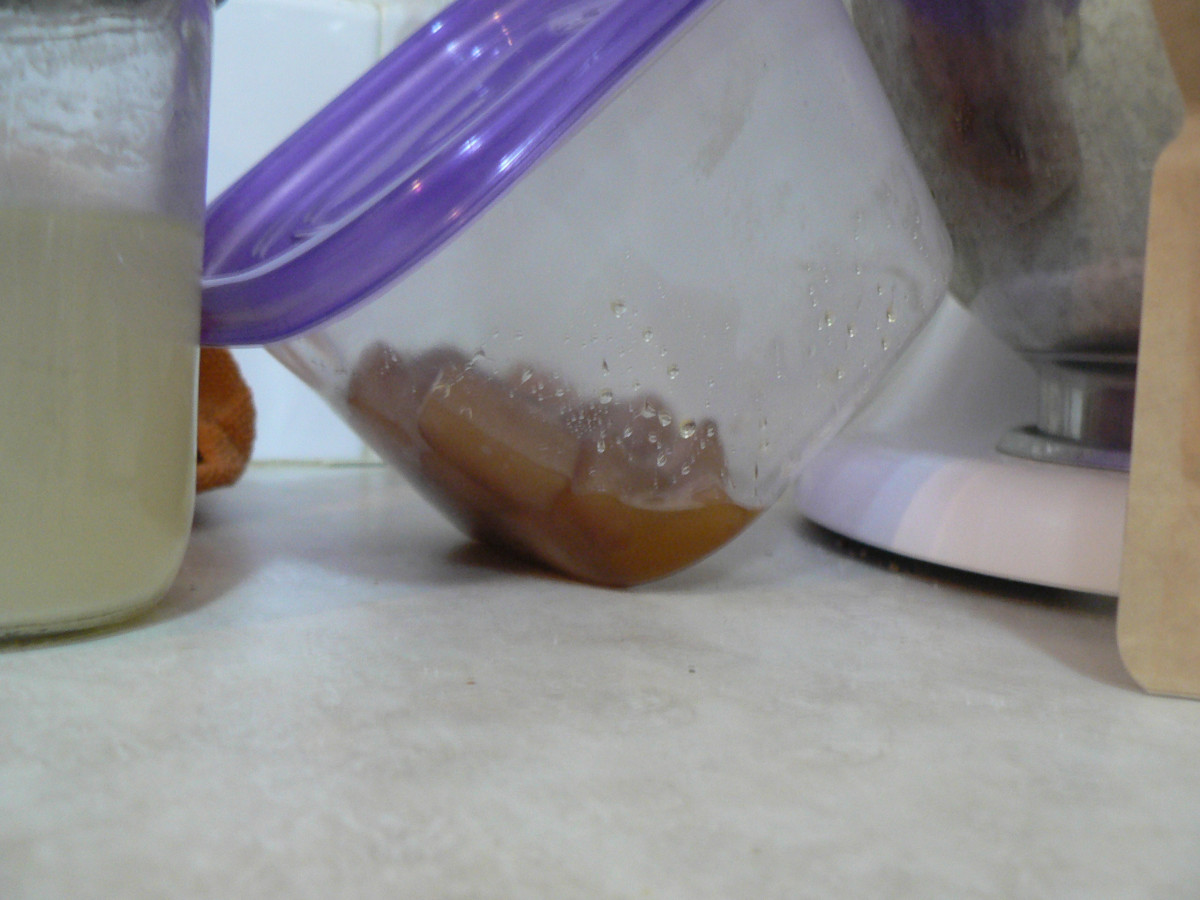
I made the Filipino treat, natas, traditionally made with Jun culture as outlined in Sandor Katz’s Art Of Fermentation. Although I ended up doing this on two separate days, this was the simples recipe I’ve followed all quarter. I made a compromise between the steps that Katz recommended, washing off the used SCOBY and boiling for two periods of ten minutes to reduce acidity and the lack of steps Katz’s friend went for, which skips the process of that entirely. I rinsed the SCOBY off, cut it into pieces, and simmered it once. Then, a different day, I candied them with honey. It really was just this simple. The most time consuming step was cutting the weird, hard jelly that a SCOBY is, because that thing does not want to stay still.
Self Evaluation
Benjamin Reynolds
Fall quarter,2018 has been my first brush with Evergreen’s Independent Learning Contract through Sarah Williams Student Originated Studies: Food and Agriculture program. It’s been quite the experience drawing up my own study, cutely titled Cultural Preserves: Fermenting Thoughts On Food Preservation. My whole quarter has in one way or the other, been me making some plans and then it being a 50/50 whether reality would permit them.
For the first five weeks, I both wrote and rewrote my ILC several times and got in on two internship opportunities, one at Encore Chocolate and Tea, the other at Cascadia Homebrew that didn’t really get off the ground. Encore was entering its busiest time of year, and the Brewmaster at Cascadia ended up juggling a new schedule with their second job. I believe both of them are open to Winter quarter internships, however.
Meetings made or missed aside, I began with a singular focus on fermentation that broadened to food preservation in a more general way. The Kitchen As Laboratory, The Art Of Fermentation, and The Noma Guide To Fermentation ended up being my guiding texts, along with Mouthfeel which I had from a previous class. My relationship with these texts, this quarter, has largely been that of the reference guide, Mouthfeel and The Kitchen As Laboratory helping with both in-depth recipes and providing the design of the blog posts that are my reportage. The Art Of Fermentation, while a very solid book on its topic, leaves one to one’s own devices as far as recipes are concerned, though all basic ingredients and processes are communicated. The Noma Guide assumes your ownership of metric scales and specialty equipment, but also provides a healthy vault of information. I also ended up using the internet quite a bit and am now quite thankful for the existence of Three Lily Provisions and Mountain Feed, Farm And Supply.
Actually grappling with the hands-on aspect was something that kept me challenged throughout the quarter, and I did manage through several methods of preservation: drying herbs by hanging them out, drying tomatoes and pumpkin seeds in the oven, making both tomato and pumpkin paste/preserves and fermenting cultured butter(and keeping the buttermilk alive through addition), sweet chili salsa, a sourdough starter and making kombucha. Through the buttermilk, sourdough starter, kombucha, and arguably, the butter, I’ve ended up in contact with living sauces, fermentable substances that, if nurtured properly, can keep hundreds of years in the right hands.
As far as discussing and acting food preservation in the context of the events I’ve attended, this quarter… I discussed, tried and purchased, and may have accidently aged some of my own tea based on conversations at Whatcom Teas tea bar, and Miro Teas very good, full range booth at the NW Tea Festival. At the NW Chocolate Festival, Malai Chocolate had a bar with cacao that had been fermented under special conditions (but, because they were busy, I was not able to ask them about what and how) and I heard the head of Grimm Bros farm and hot sauce maker discuss the natural preservative properties and shelf stability of their hot sauce making process. Evergreen’s Harvest Festival featured both a cider pressing workshop and a distillation demonstration in the same workspace. At the Biodynamics Conference, I attended the microbiome discussion, which was largely about diversifying and influencing (in other words, selecting) the microbial life in the speaker’s home garden and the parallel structure of roots and the human gut.
Overall, my study mutated and pivoted pretty much every week, though I feel like I managed to hew towards my stated goals. Not sure I’d do an ILC, again. Though it’s very nice and freeing in regards to having a totally flexible work and study schedule, the grounding of a regular classroom schedule and being able to more regularly see my peers and having the study designed by someone not me are all things I have a new appreciation of from a very different angle than had I not done this.

All photos benjamin reynolds 2018
Ingredients:
(Masa)
Corn
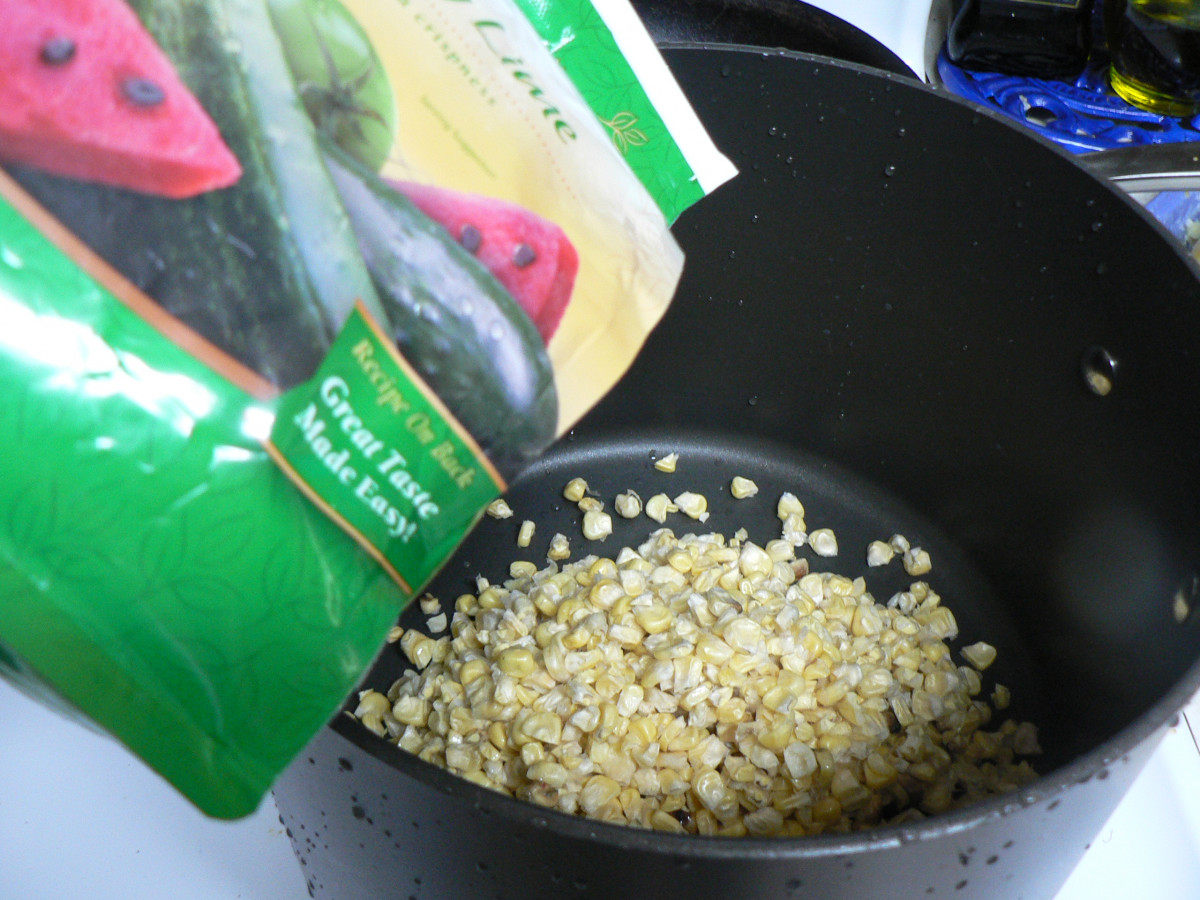
Pickling Lime
Time
(Popcorn)
Stubbornness
Regret
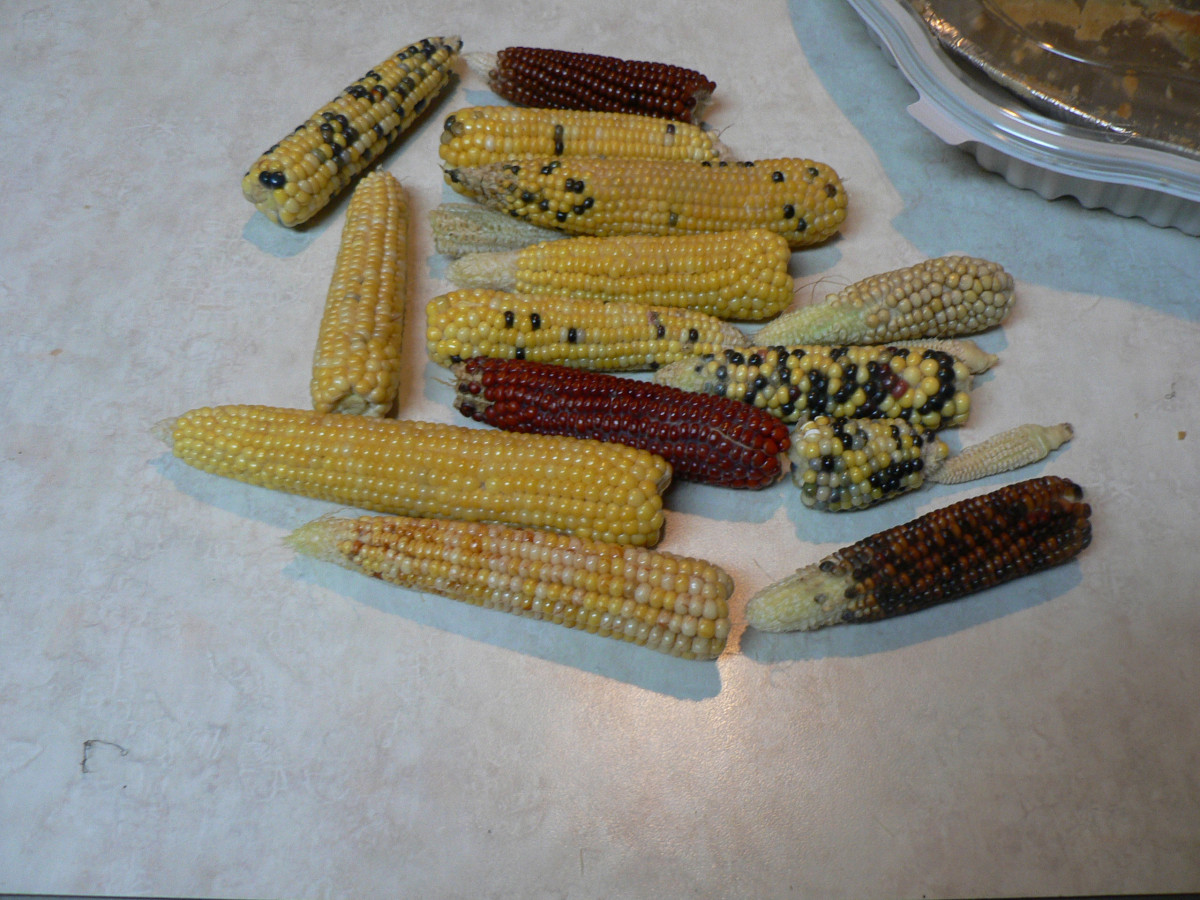
Cob popcorn that you forgot about long enough for the sugars to turn to starch
a blend of the butters you cultured yourself
avocado oil
the resulting sweet butter sauce that you put in ramekin and lost deep in the fridge which would’ve really brought out some nice flavor in your mole
paper bags you throw away because they just get greasy
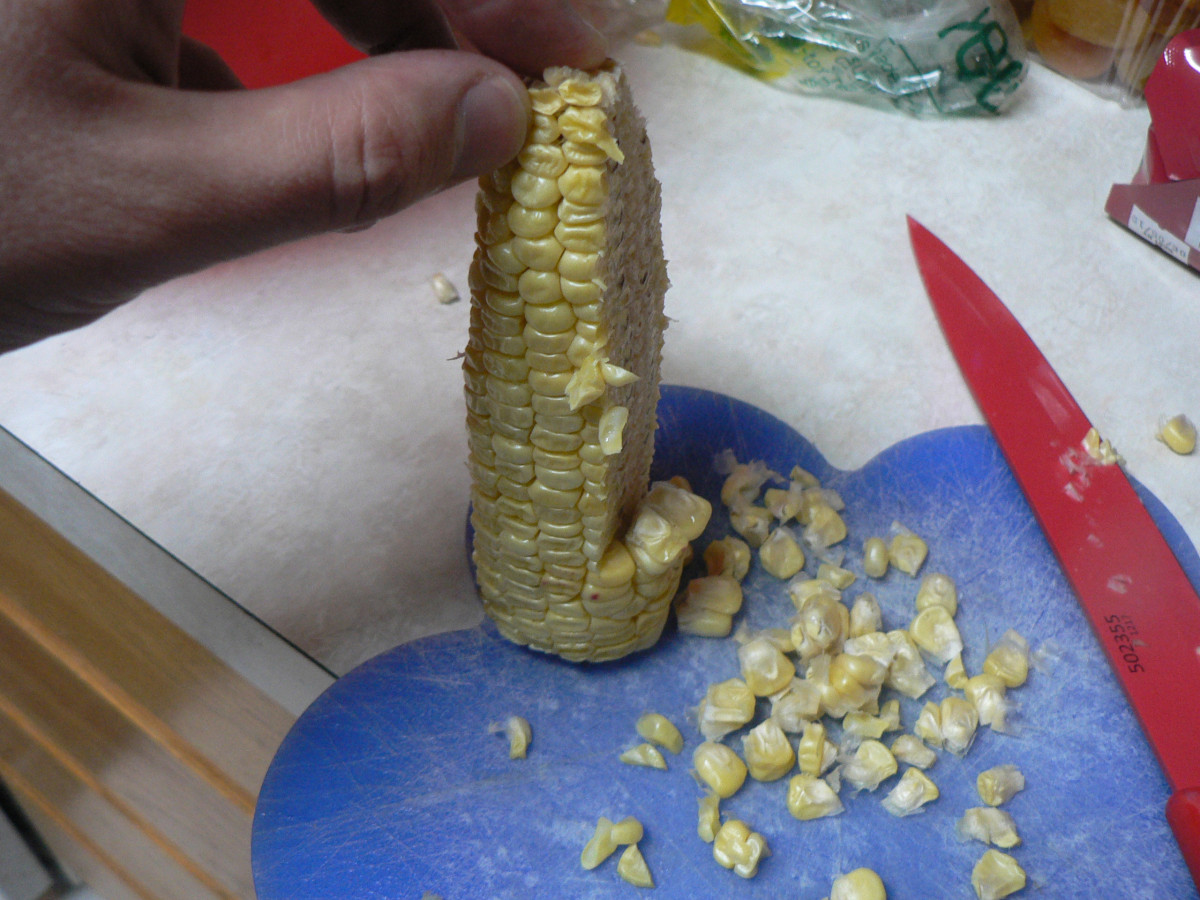
a couple nicks on your fingers when you get frustrated and decide to peel all the corn off the cob of the popcorn and the kernels are still hard and intermittently pointy
(Corn Syrup)
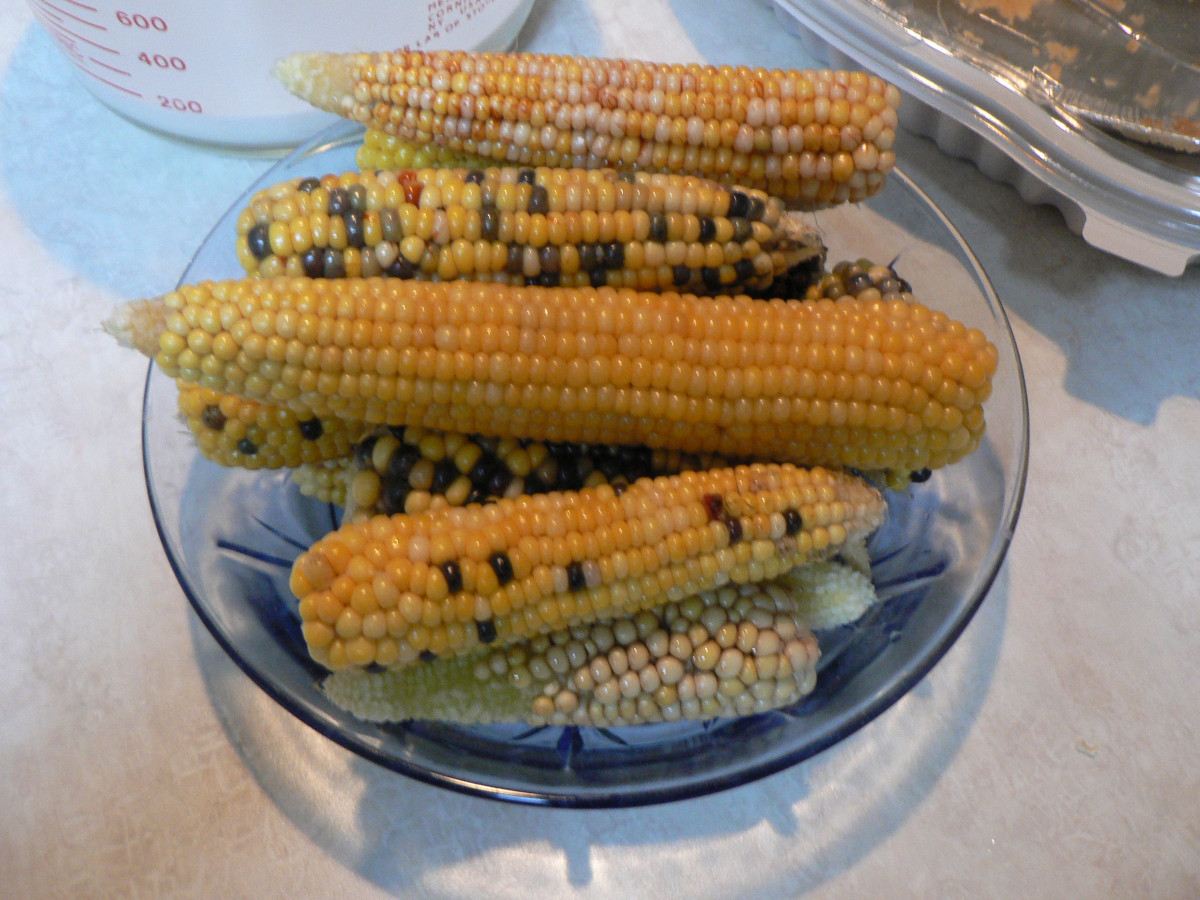
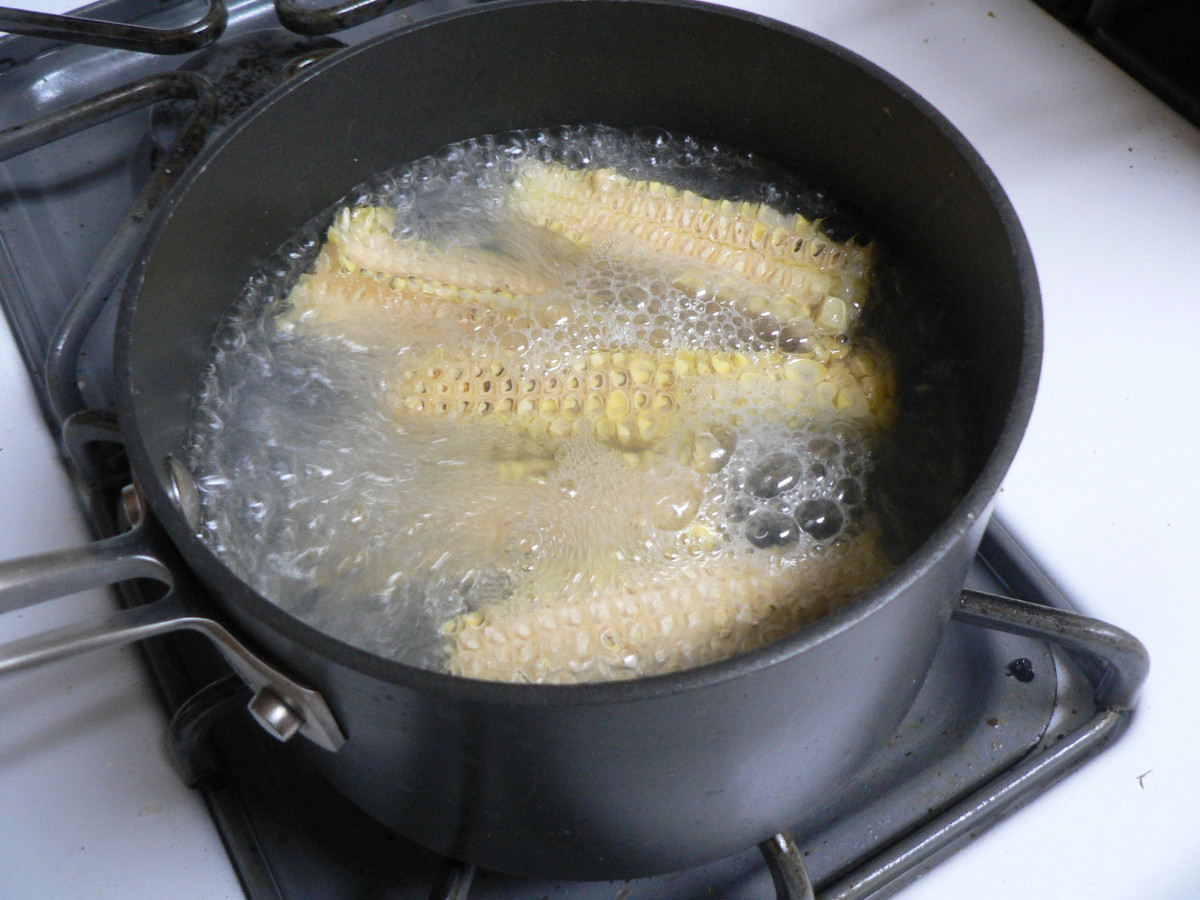
Corn cobs you’ve removed all the kernels from with a knife
(optional) a sugar
opted out because this is just another weird thing I’m feeding my no-longer sourdough starter with
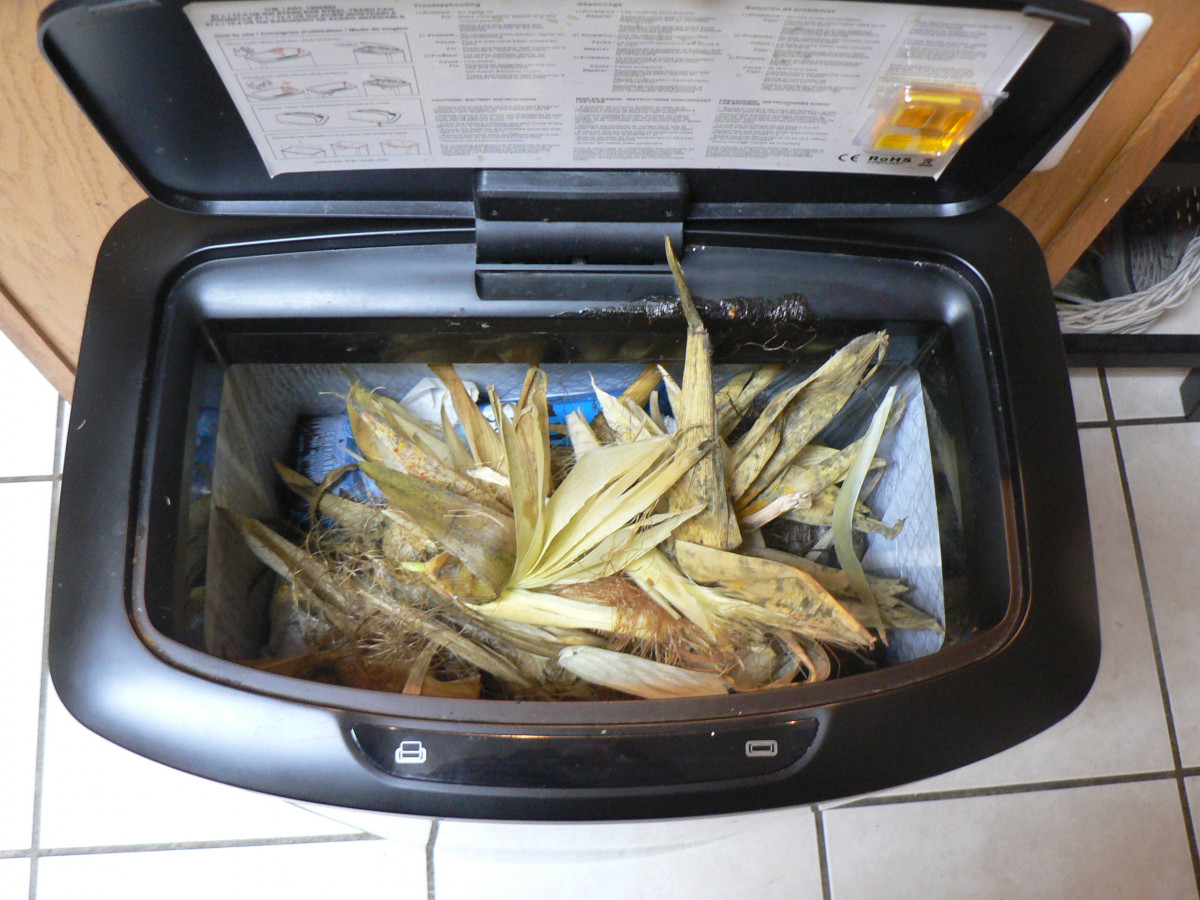
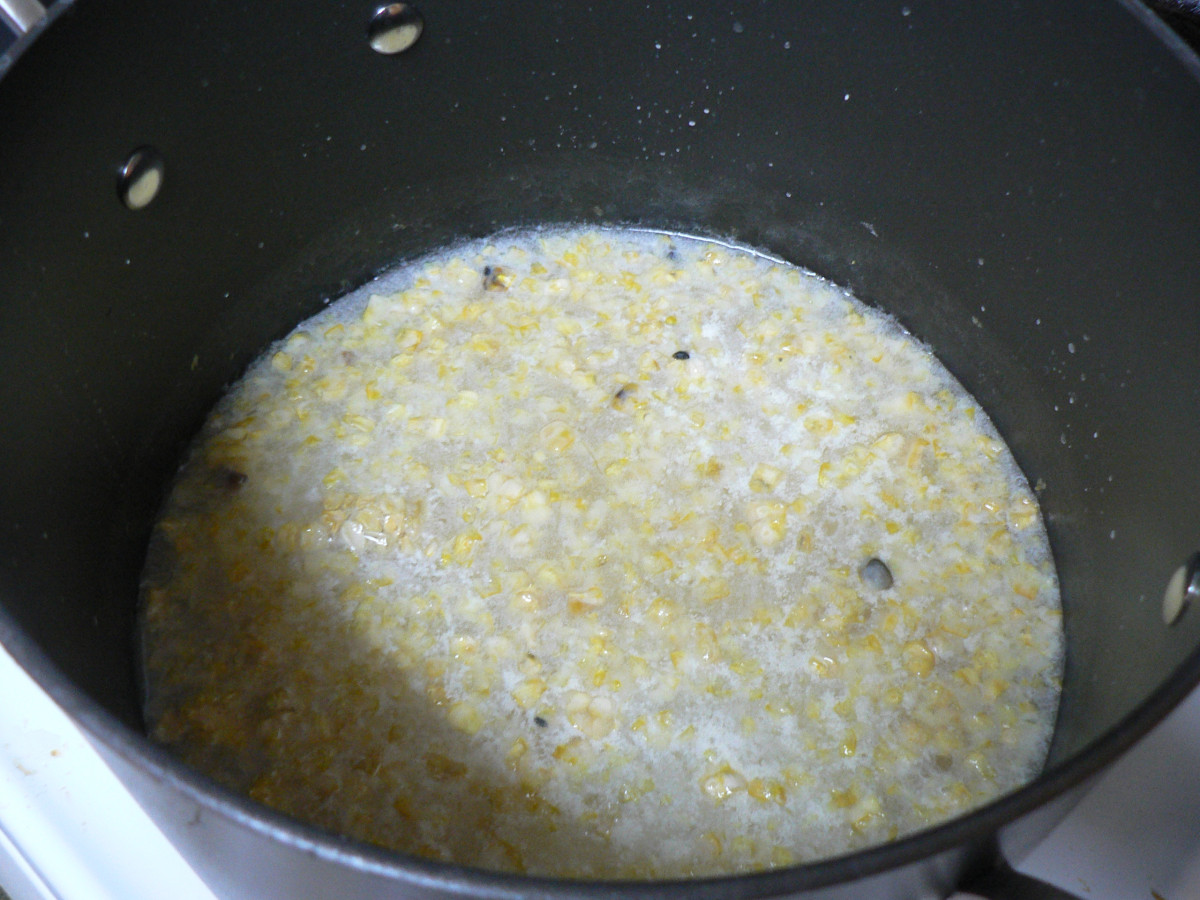
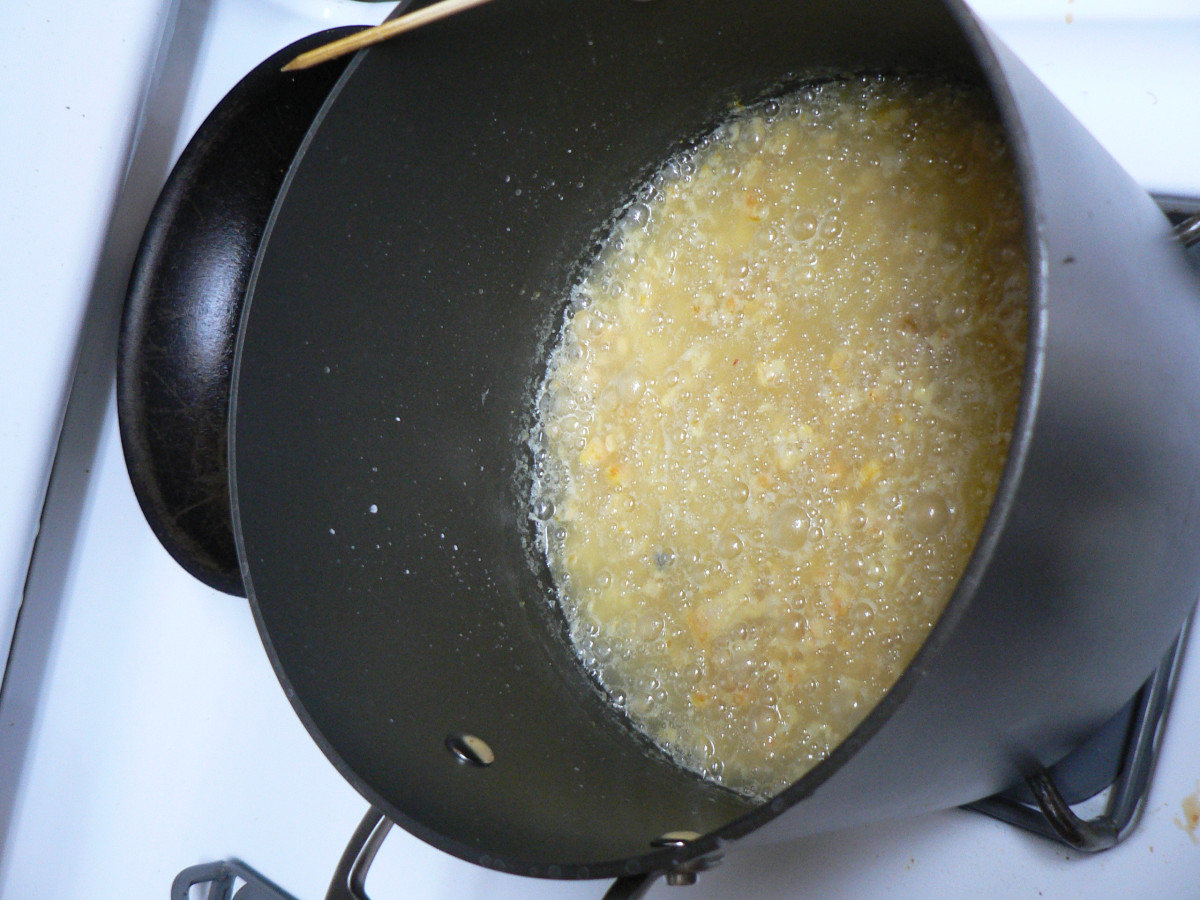
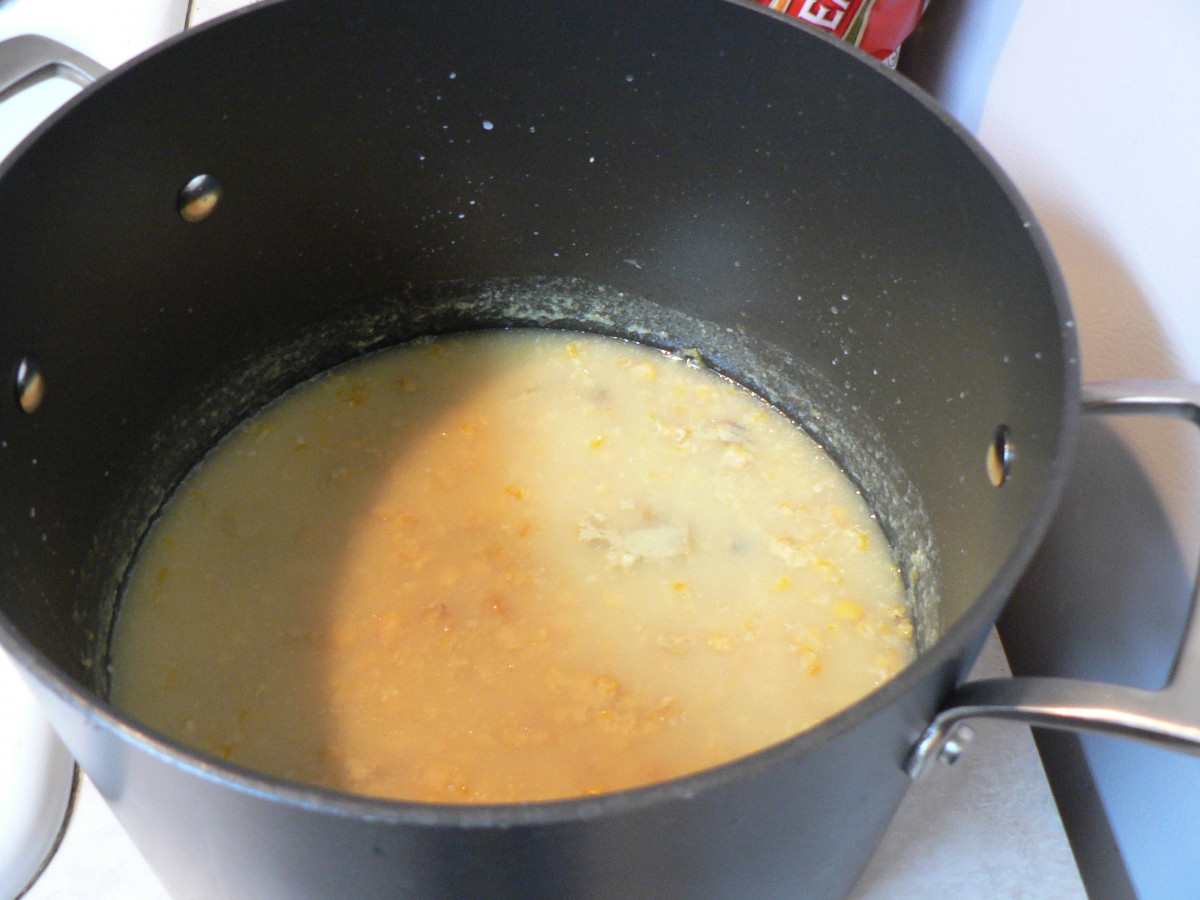
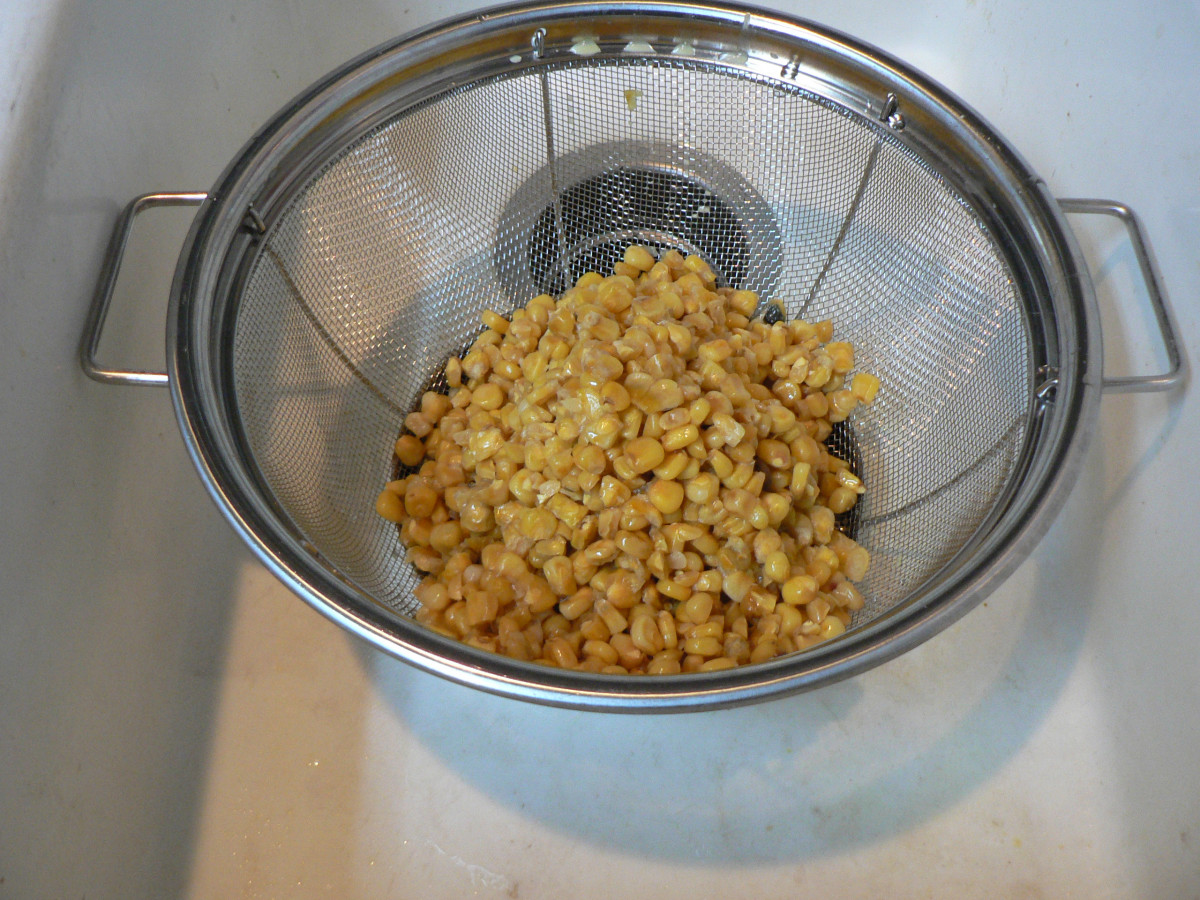
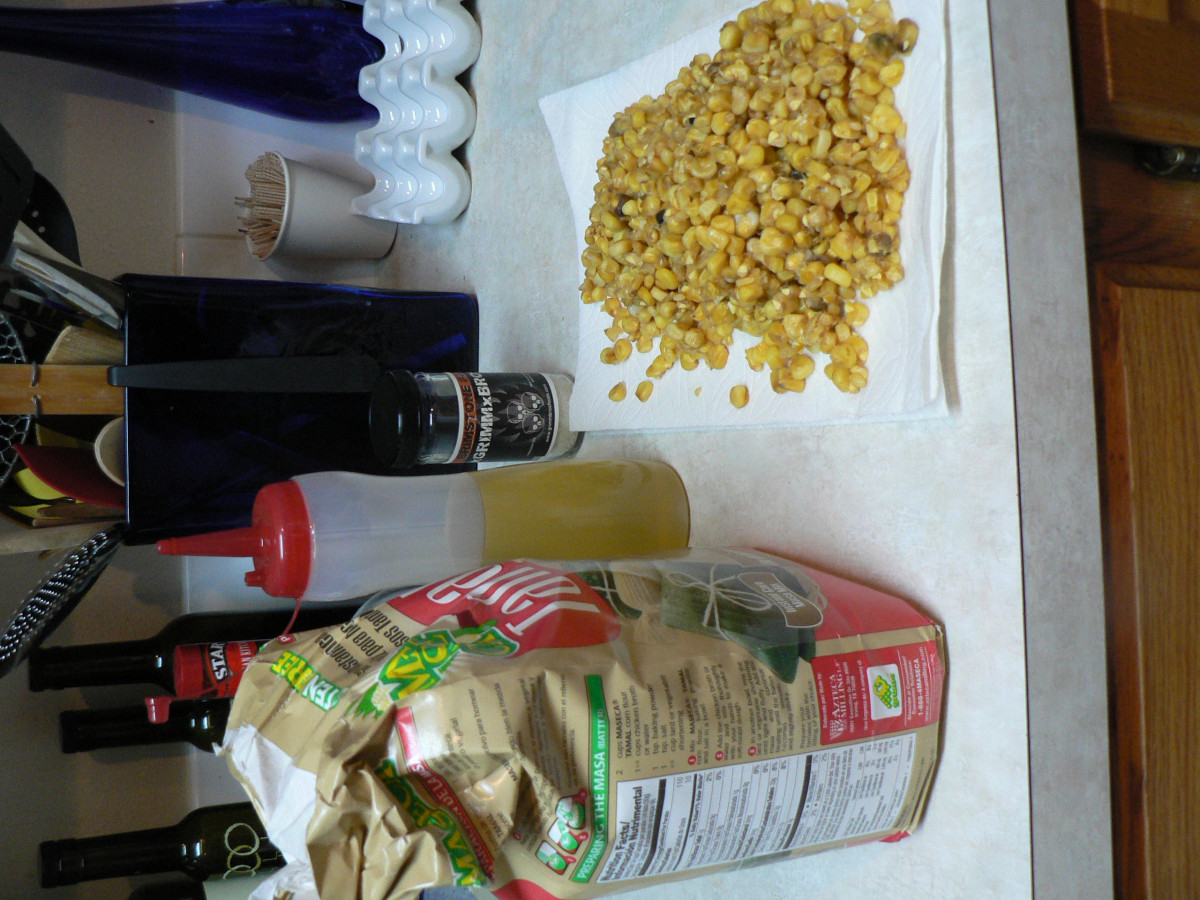
I tried and failed to make popcorn. I tried and succeeded in making nixtamalized corn and masa out of that corn and corn cob syrup with the leftover cobs I had when I separated the kernels.
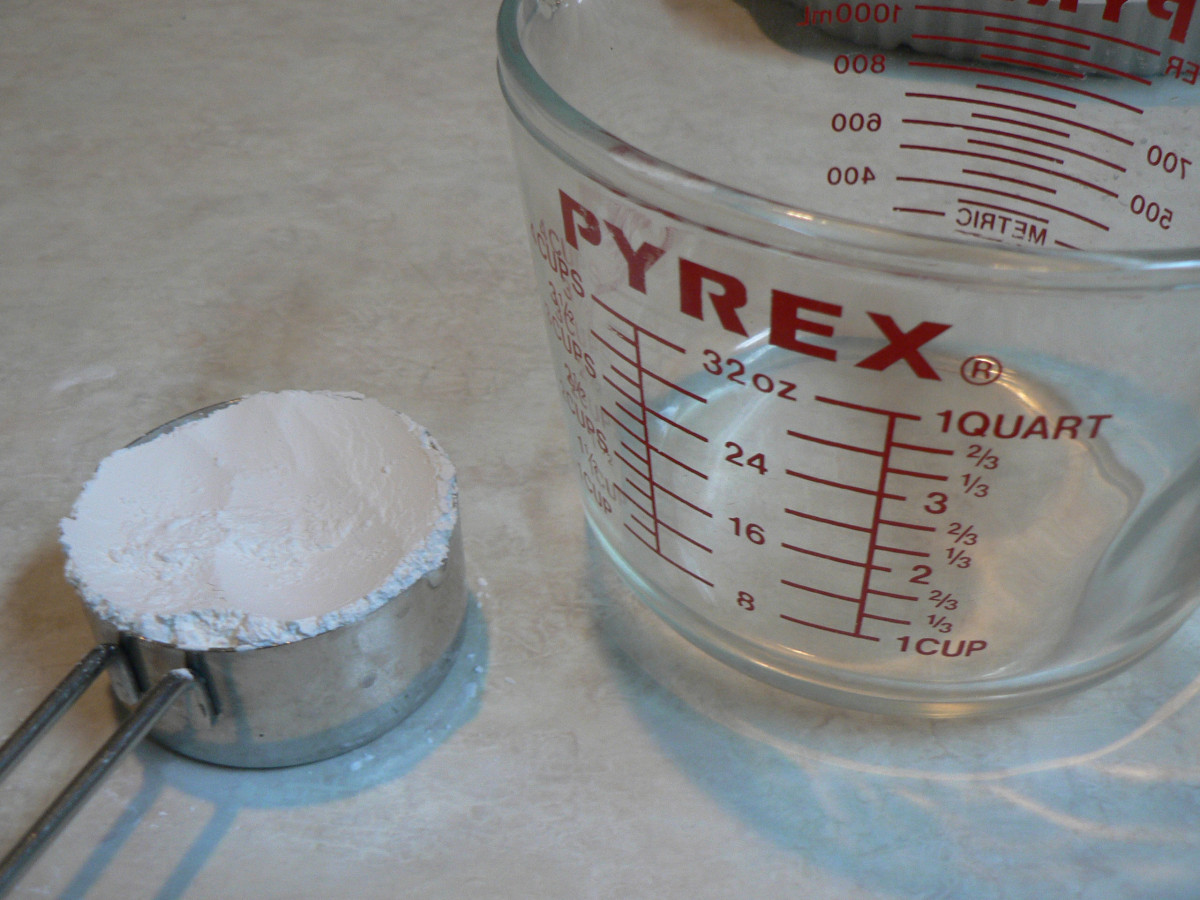
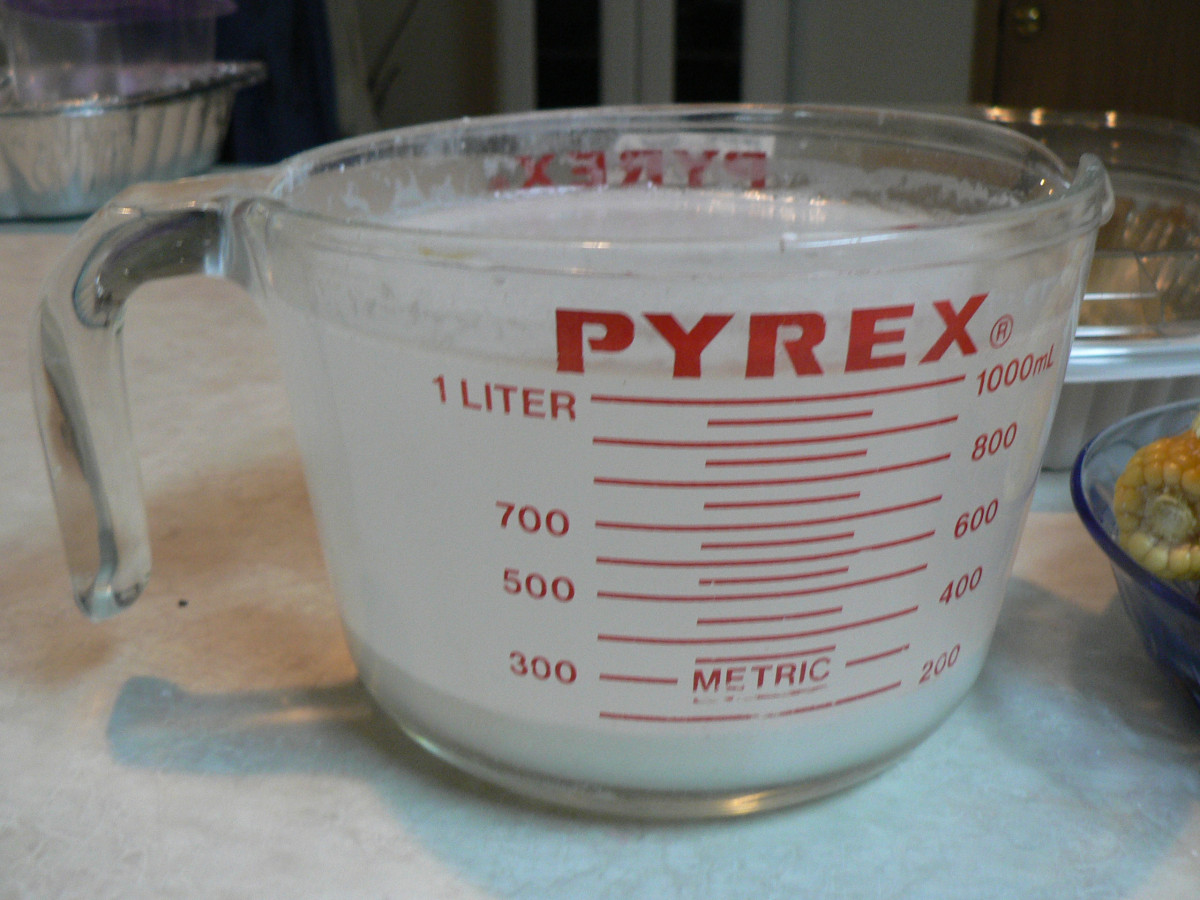
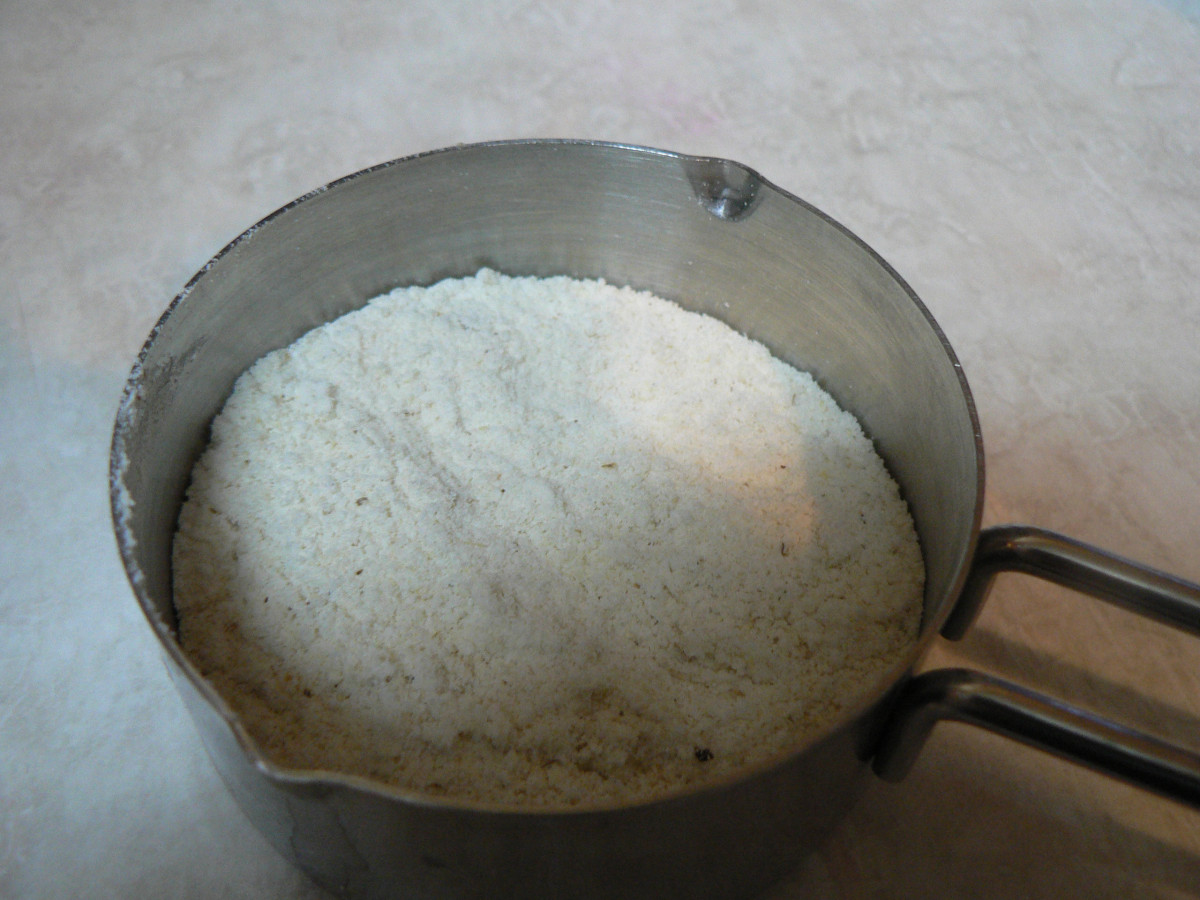
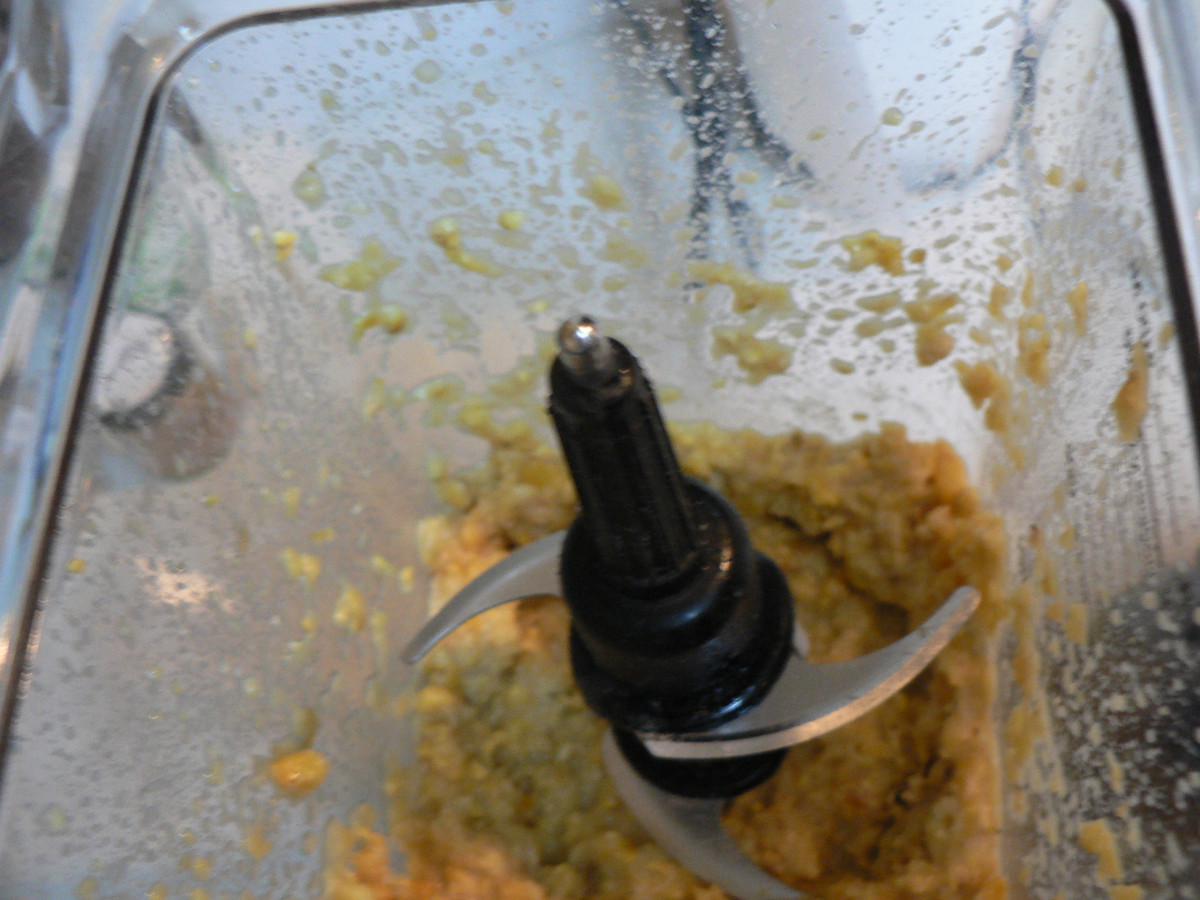
I got the pickling lime and made a solution with water that is to stand for at least an hour, cleaned the cobs of corn, brought it to a boil, low simmer and then let it think about itself for about a day and a half. At which point, you drain and rinse it, chuck it in your blender and start adding masa flour even if you did get dried corn in the first place. Your thick batter will keep three days so stick it the freezer and transfer it out at least a day in advance of when you’re gonna use it to make basically sopes, which are thick tortillas.


all photos benjamin reynolds 2018
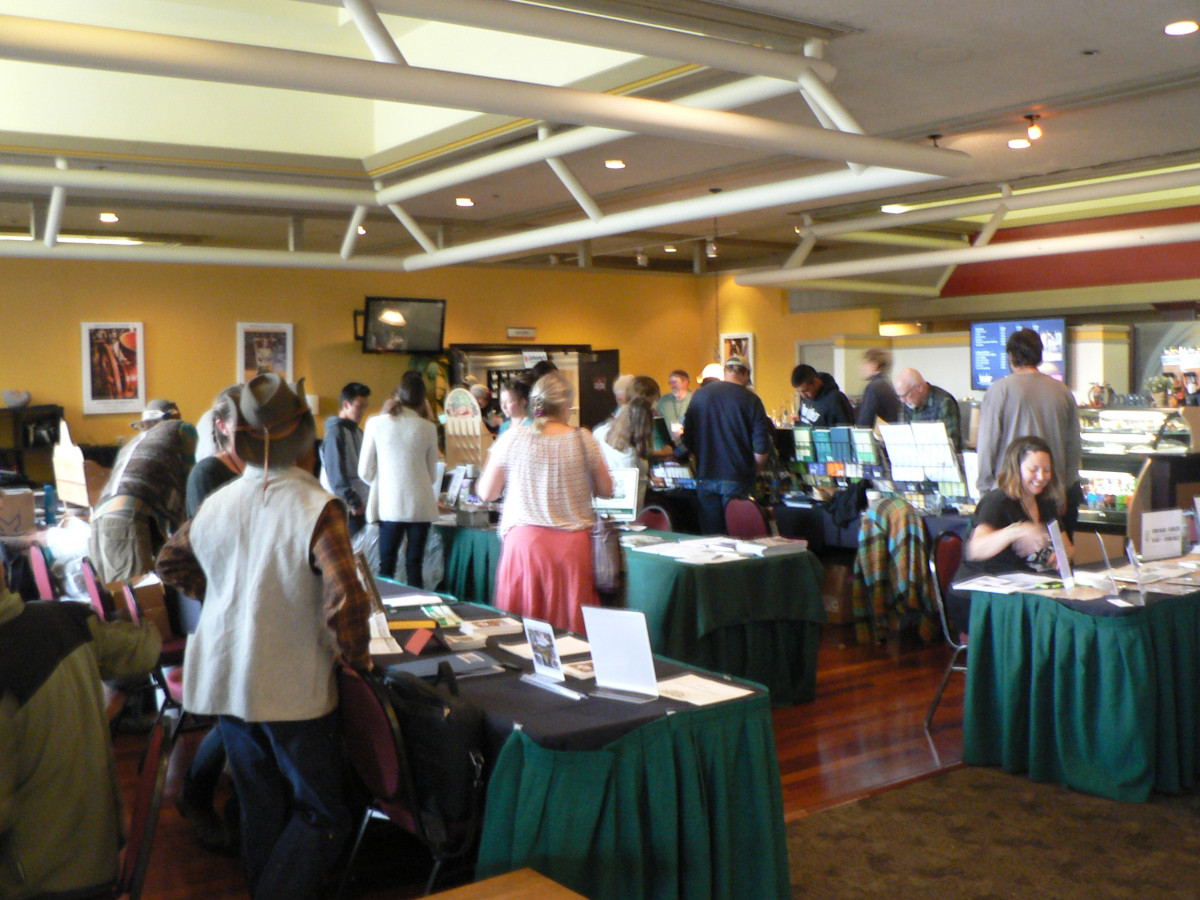
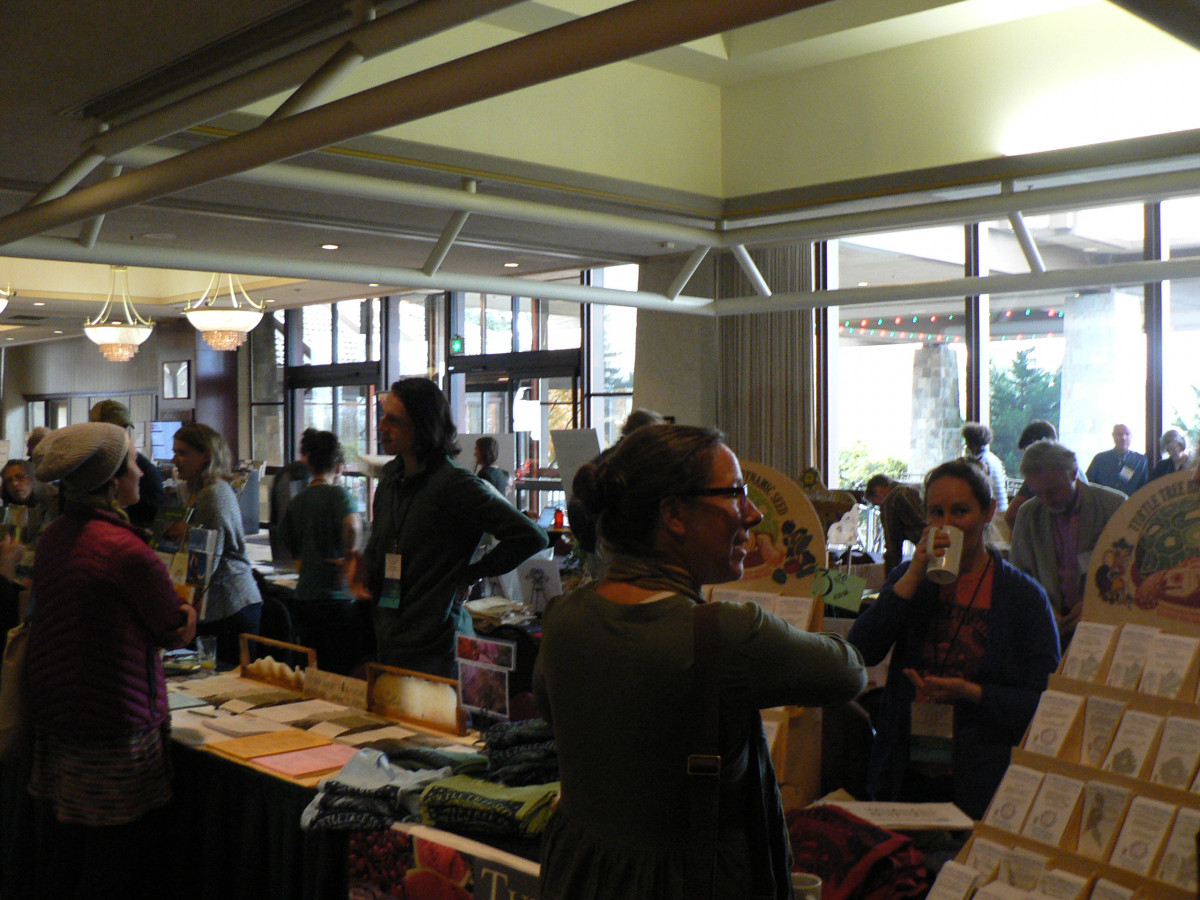
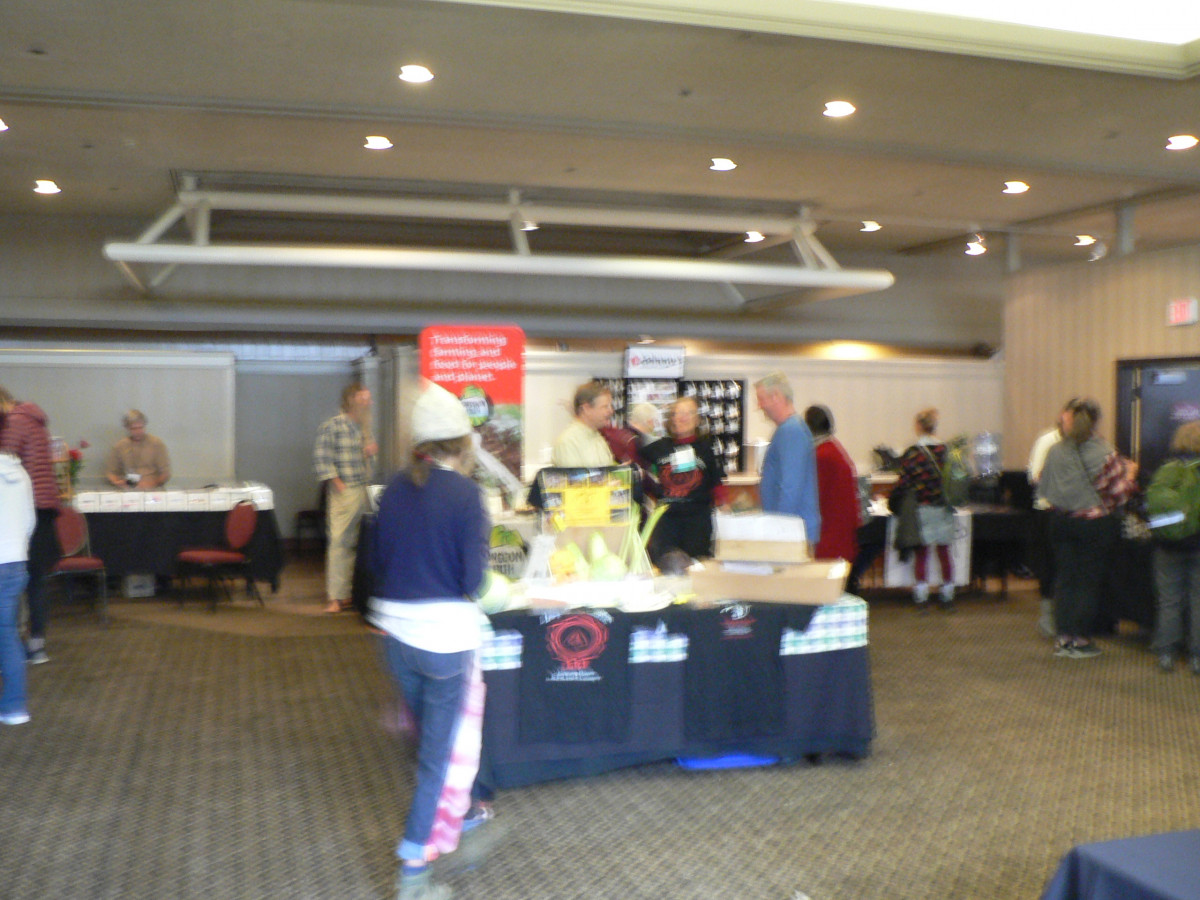
I woke up around 3:30, arrived 5:43 and departed with the group, having conversation with Keith and the teachers who led the class. After or during the keynote, I question whether I should have brought my camera along, but, uh. There certainly are some pictures here! One of the things I underlined during the keynote was Lentil Underground, a book I haven’t looked up yet. It was interesting to hear about the organization of farms and “farm organisms”. I was into the communalist aspects I was picking up on, with Anna of Vilicus Farms posing the question “Who is your (local) farmer?”
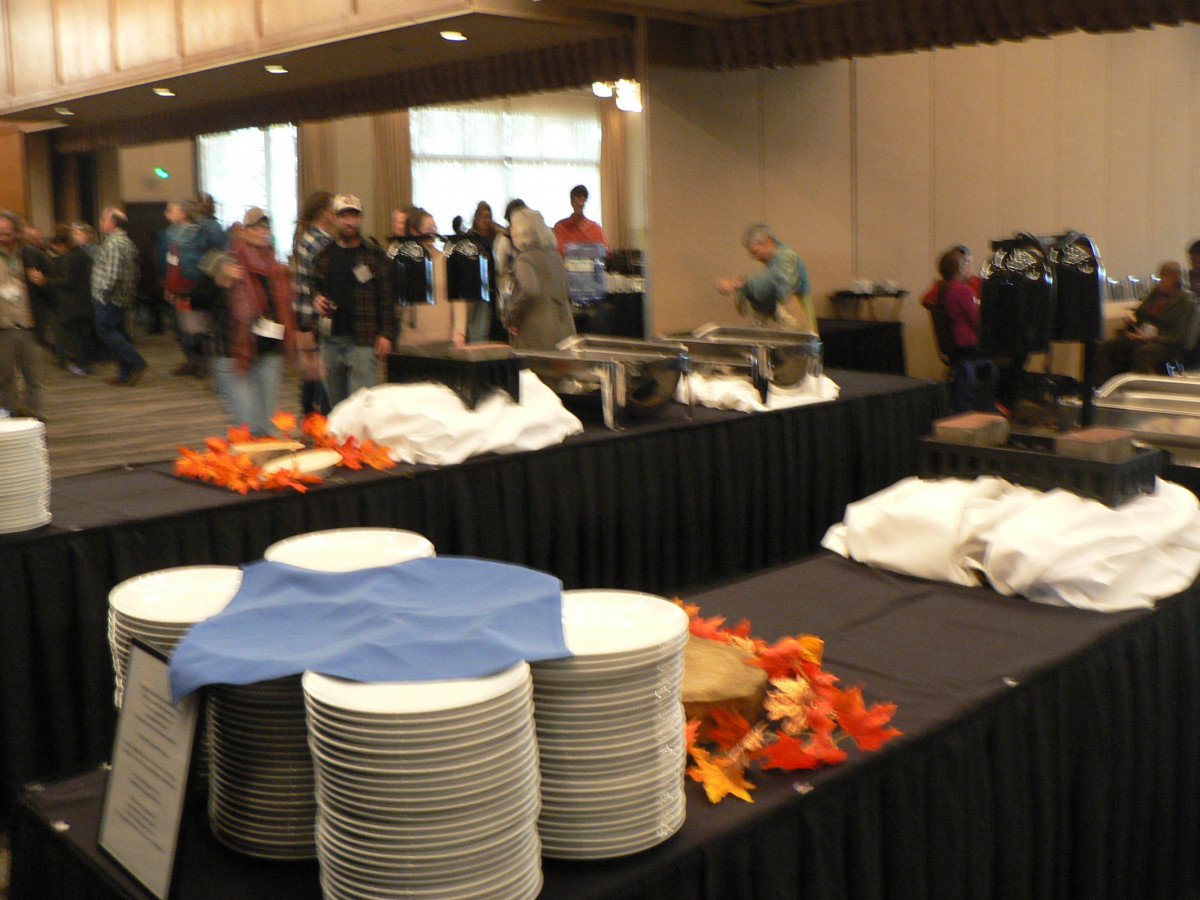
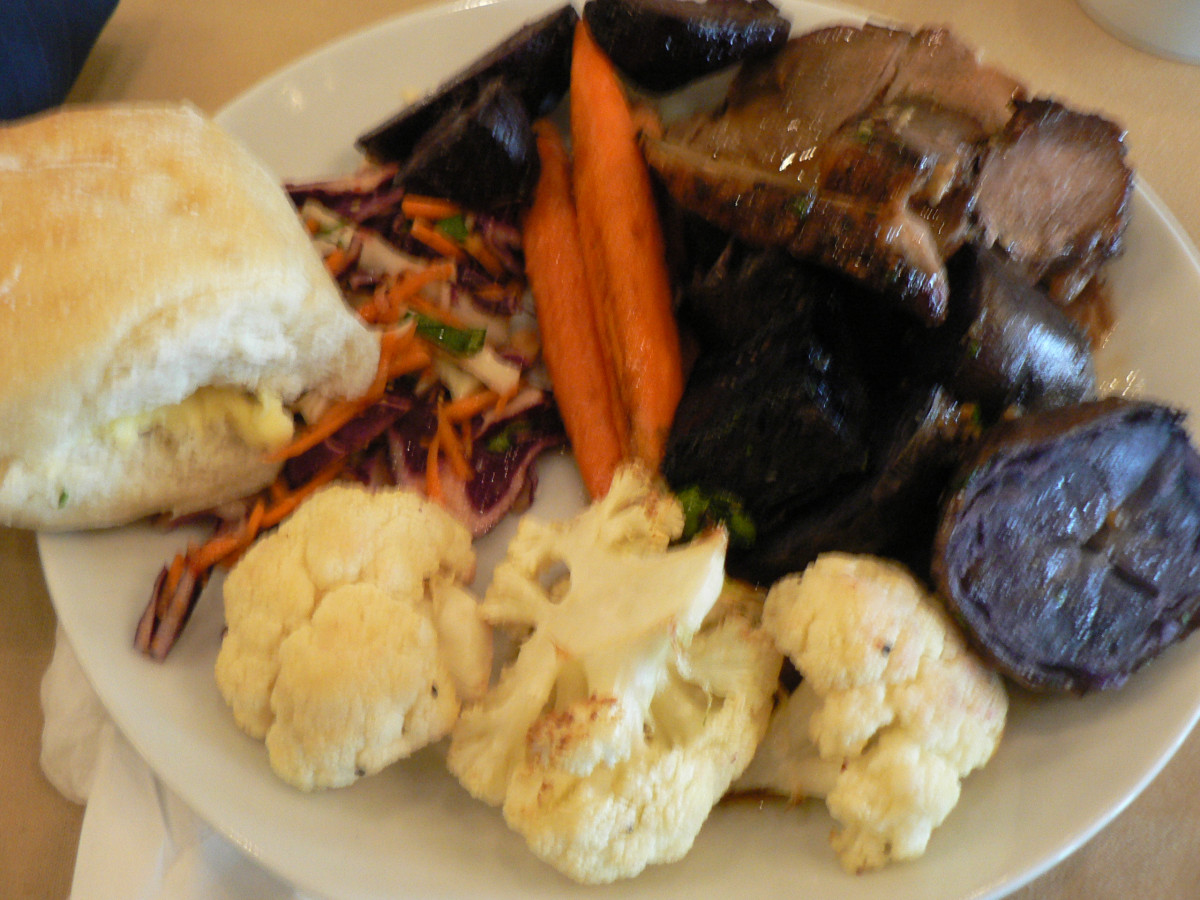
I got lost a little bit, learning the layout of the building, and missed out on the first 20-30 minutes of the movie, so I payed for the lunch. Which was, well, just alright. The beef was a little overcooked, the roasted carrots were a bit undercooked, the cauliflower was quite good though.
I attended the Building a Vivid Picture panel, of which the highlight was the break-off discussion, I talked with an eco-ag student from another group and two women who were involved in biodynamics.
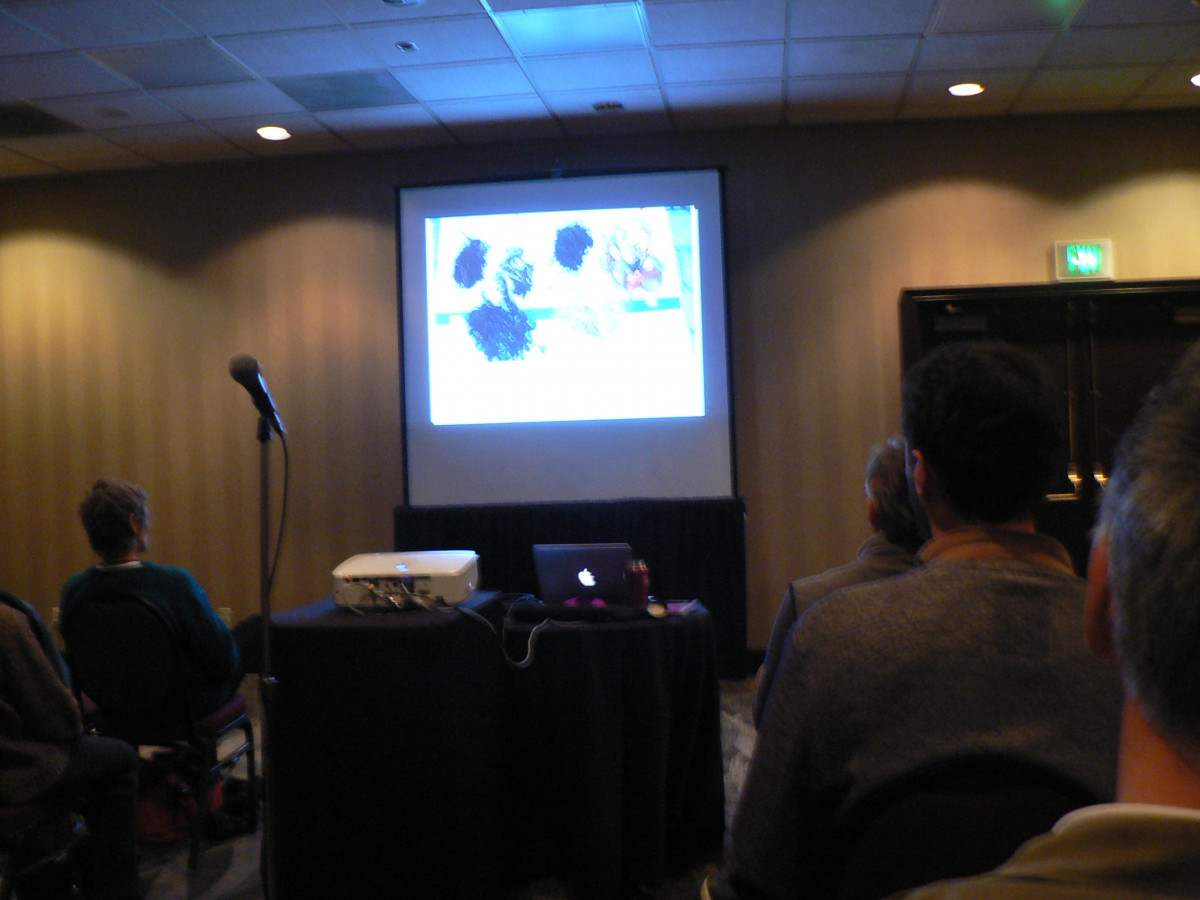
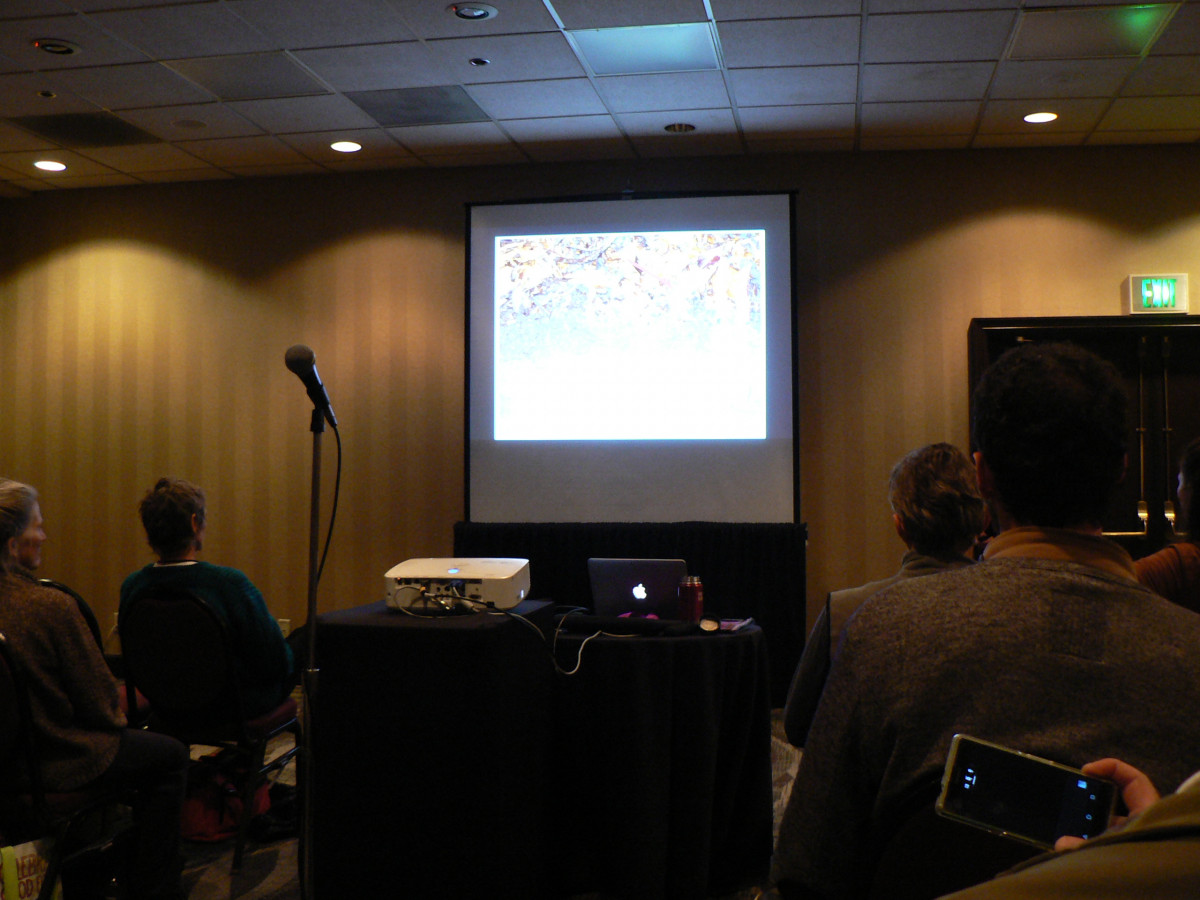
After that I went to the Hidden Half of Nature panel on microbiomes led by Anne Bikle which was partially on her effort to turn over her home garden, the microbial life plants feed on and how they feed on it, and parallels between plant and human biology, with some interrogations of intelligence and sentience. I bought her book afterwards. Looking forward to the answer of the question “what did your food eat”.
Then I went to Beyond Voodoo Vintners, which, after the lead panelist discussed how she hated the title for her book and subsequently, this panel discussion, went into a really in depth overview of the wine industry, biodynamic practices, pre-steiner and western european roots of biodynamic farming and spiritual practices, dads and the importance of regulation.
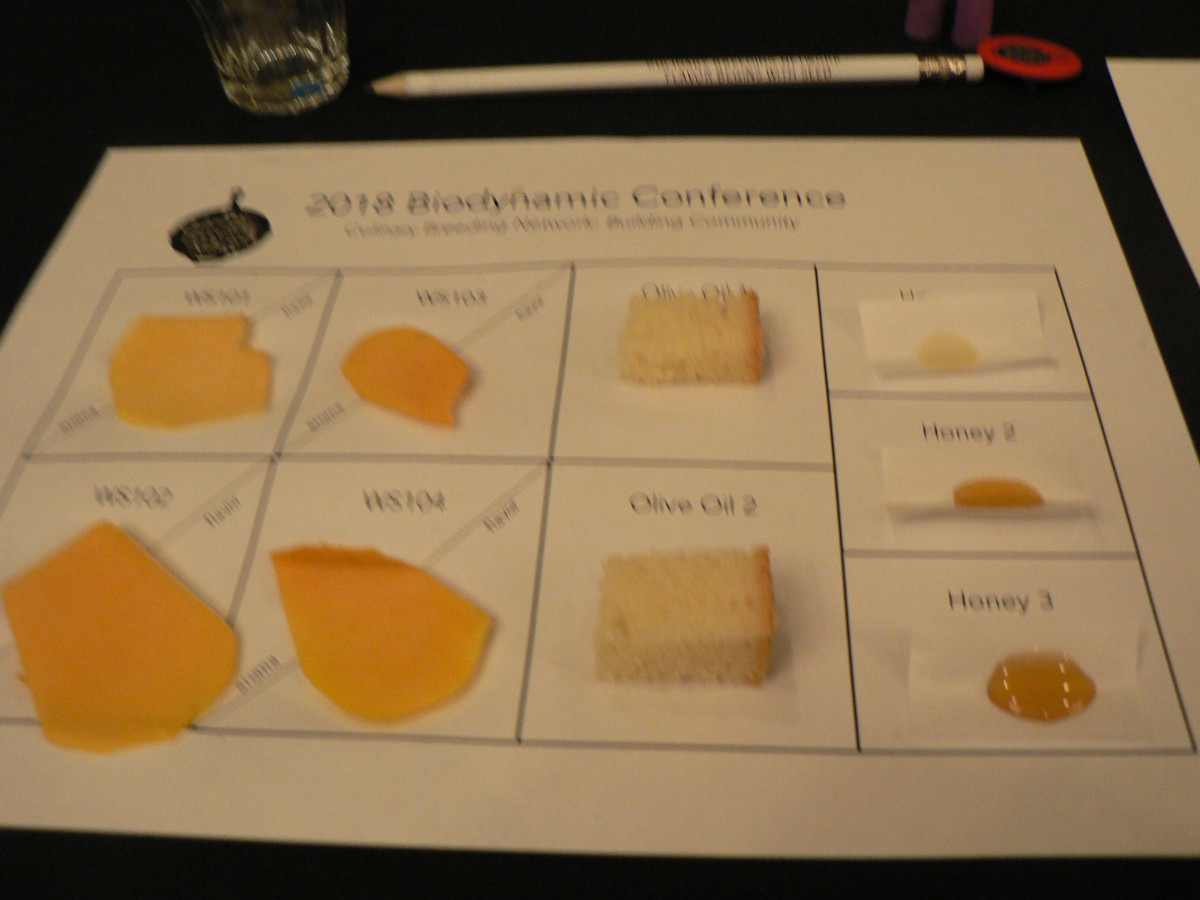
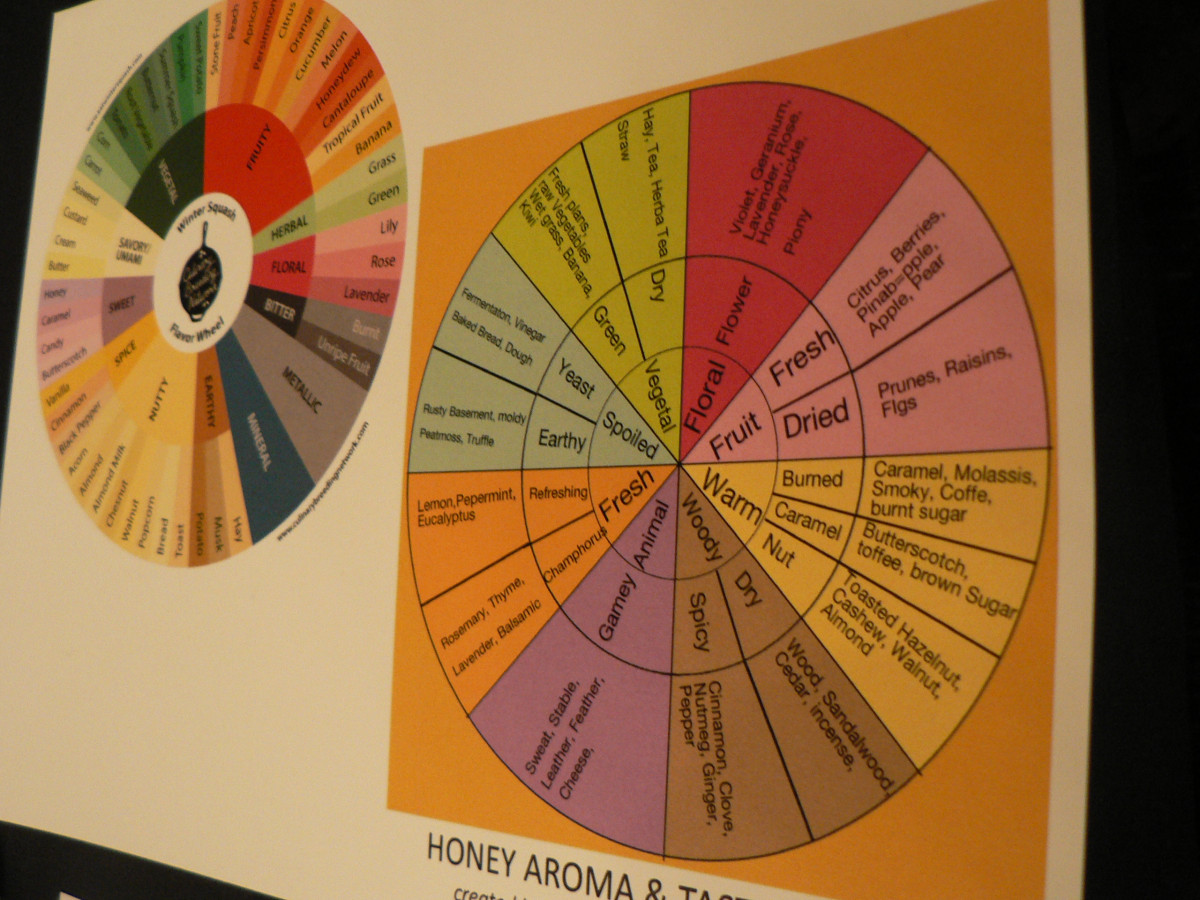
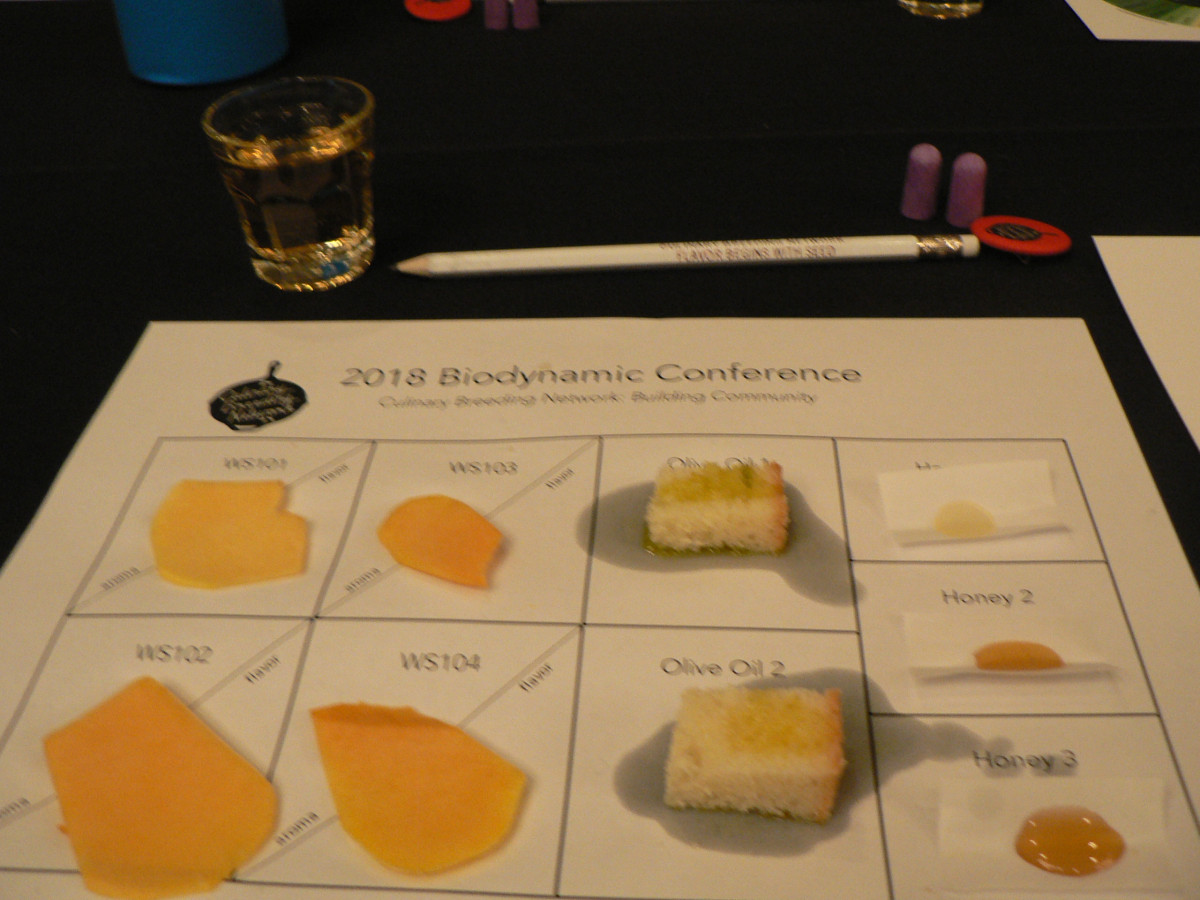
The highlight for me was the joint presentation from the Culinary Breeding Network, which finally displayed to me the difference that biodynamic practices have directly on plant biology, what NOVIC (Northern Organic Vegetable Improvement Collaborative) stands for and how much sound can impact your tasting experience, as we wore earplugs. We tasted a wine, two kinds of olive oil on bread, two kinds of squash grown two different ways and some very good honey which I’ve looked up and am about to pull the 11 dollar for 8 ounce trigger on.
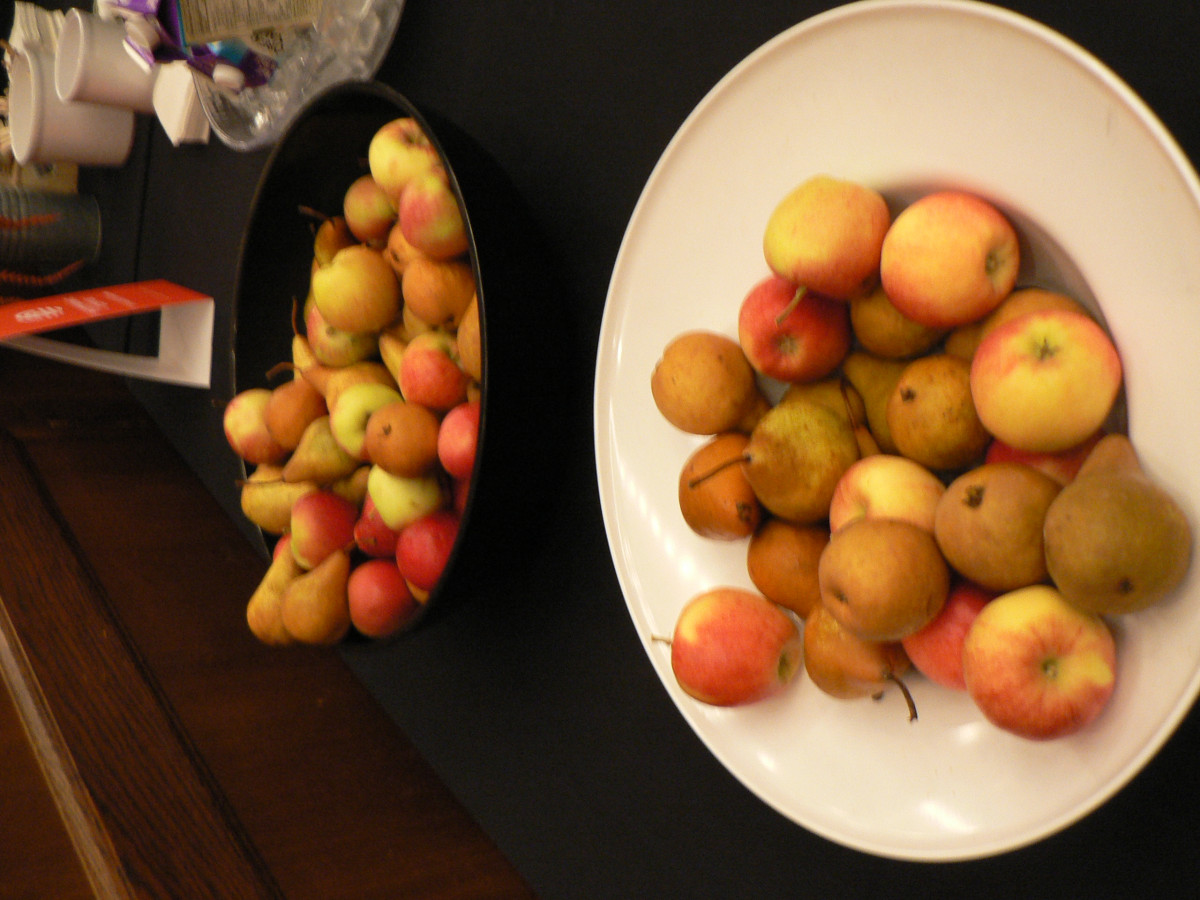
Also, there was biodynamic tea and coffee available all day, which was , well, just alright. The fruit they had in the morning was quite good.
all pictures benjamin reynolds 2018
1 SCOBY
1 big ole pot of tea made with
3-4 parts unhulled barley
1 part blend of unloved tea
very slight pinch of whole leaf stevia because we were feeling DANGEROUS
1&1/12 part water to fill the jar up proper where the instruction said to
This was something that I just sort of ended up having to do since it came up during our first class meeting, at the NW Tea Festival, has entire chapters and subsections dedicated to it in both The Art of Fermentation and The Noma Guide to Fermentation, and I talked about it a couple times with Evan down at Encore Chocolates and Teas, so here we are. ‘Bucha time. Boochin’ it up.
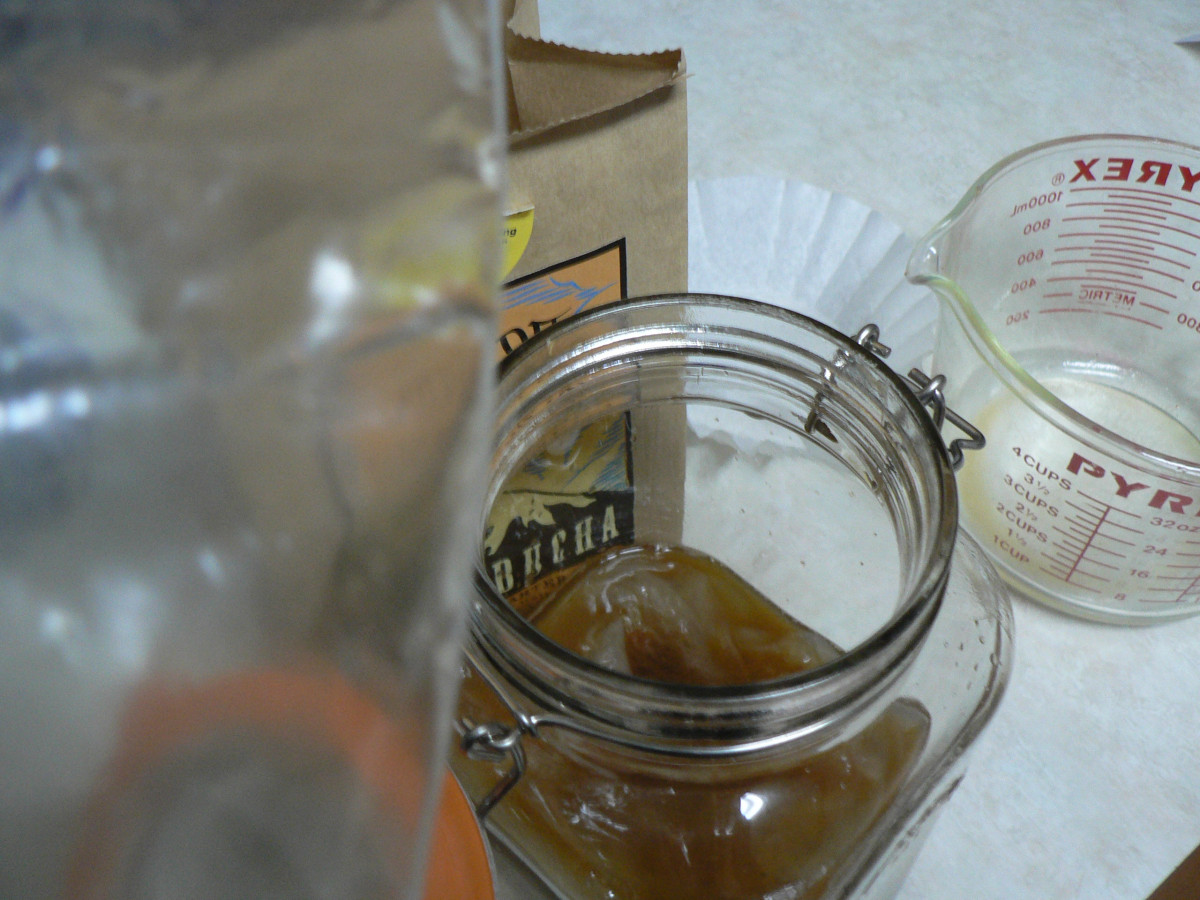
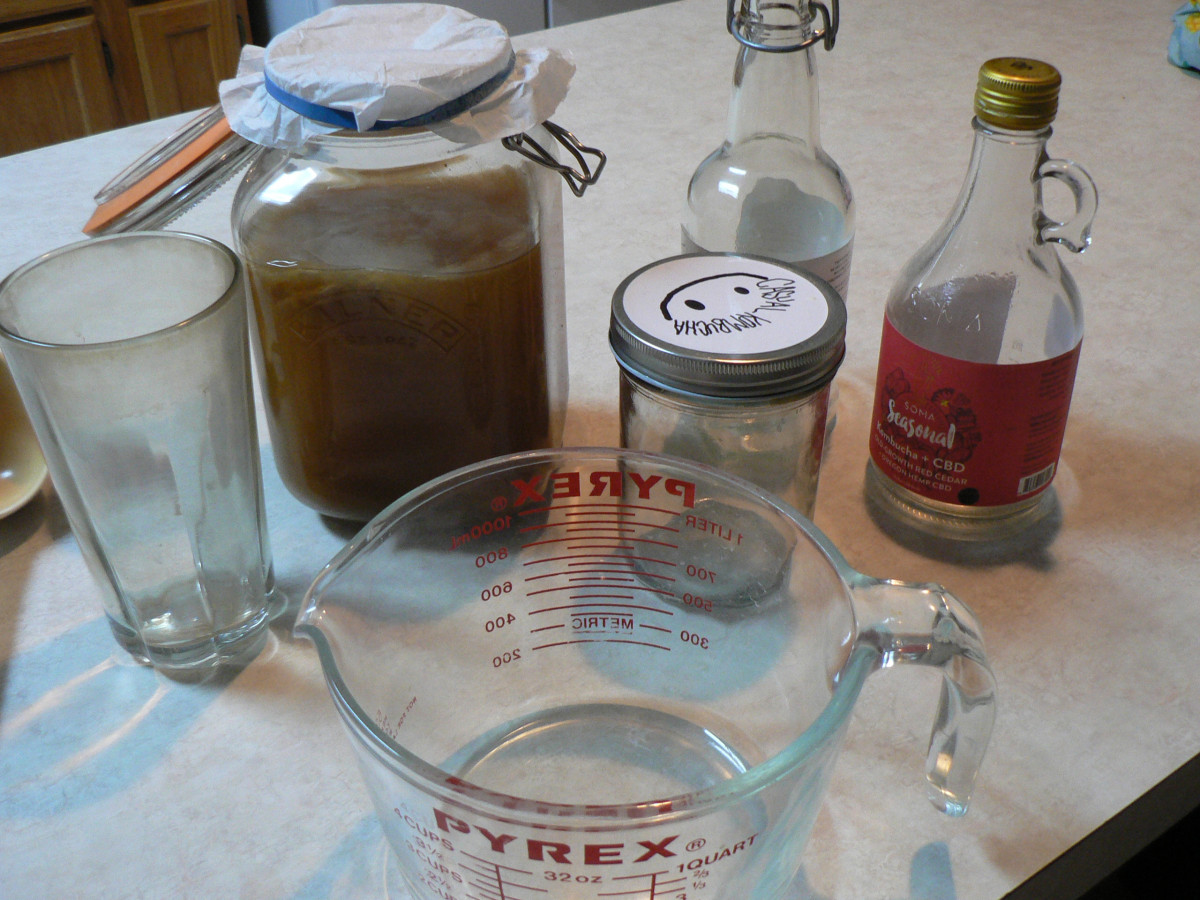
I got a little excited and didn’t photo all my dry ingredients (unhulled barley, a home-made chai tea and spice blend, shou pu-erh and stevia leaf) and the SCOBY while it was still in its bag and being transferred into the jar.
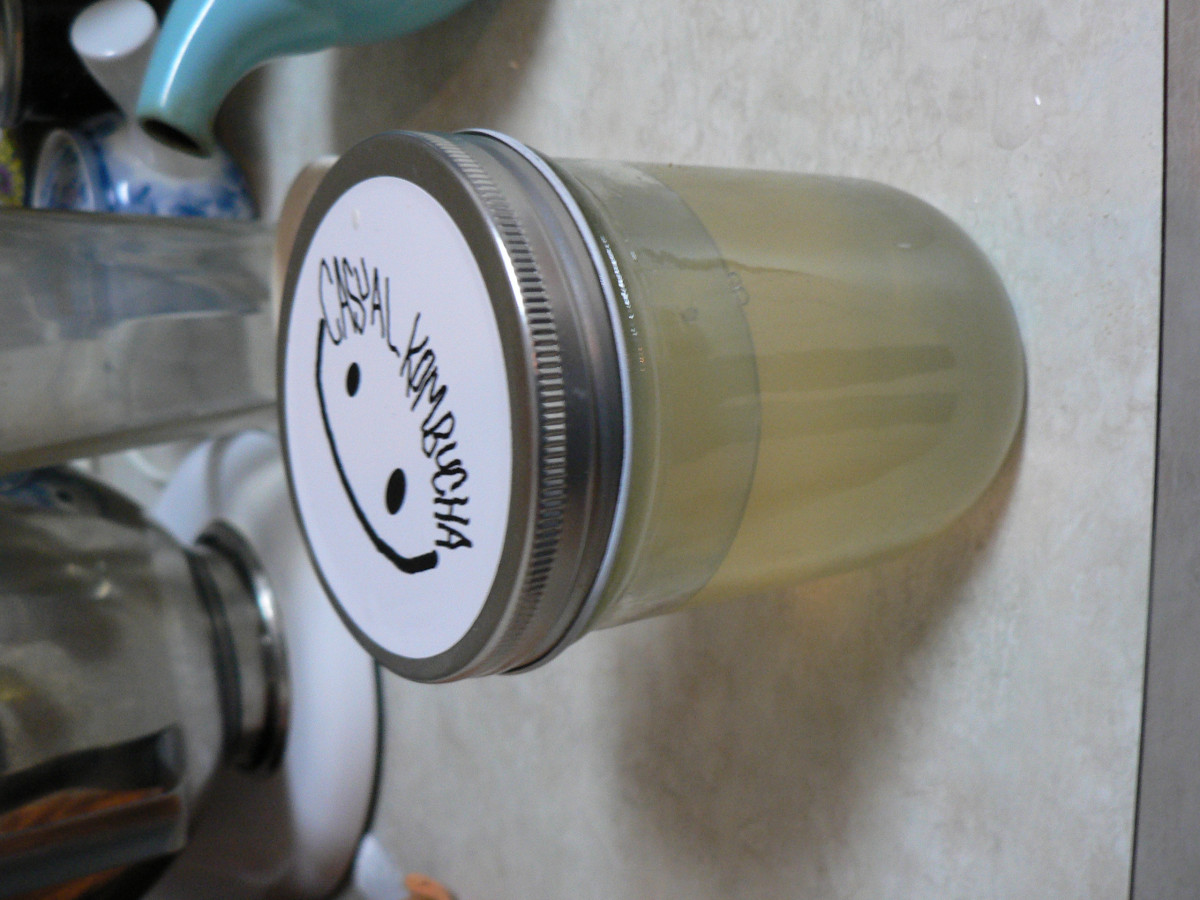
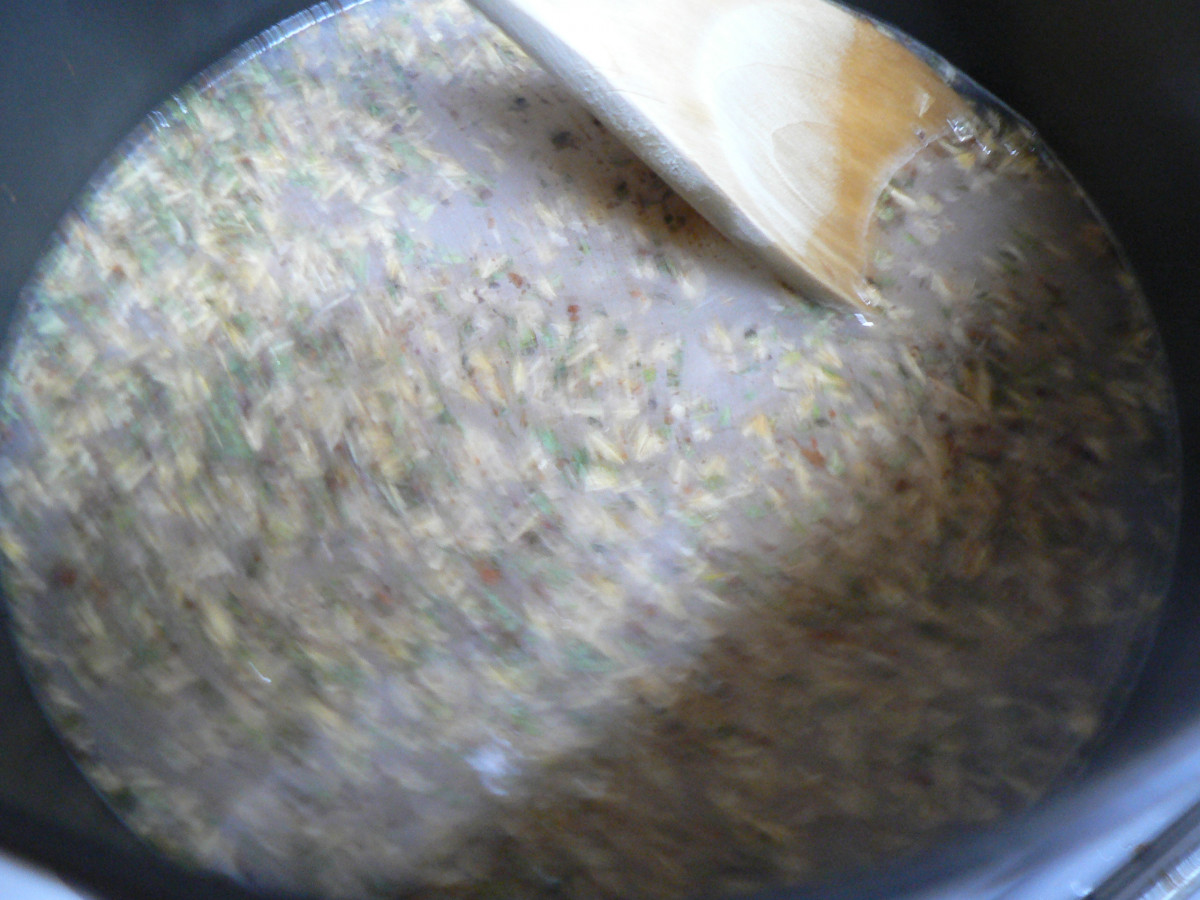
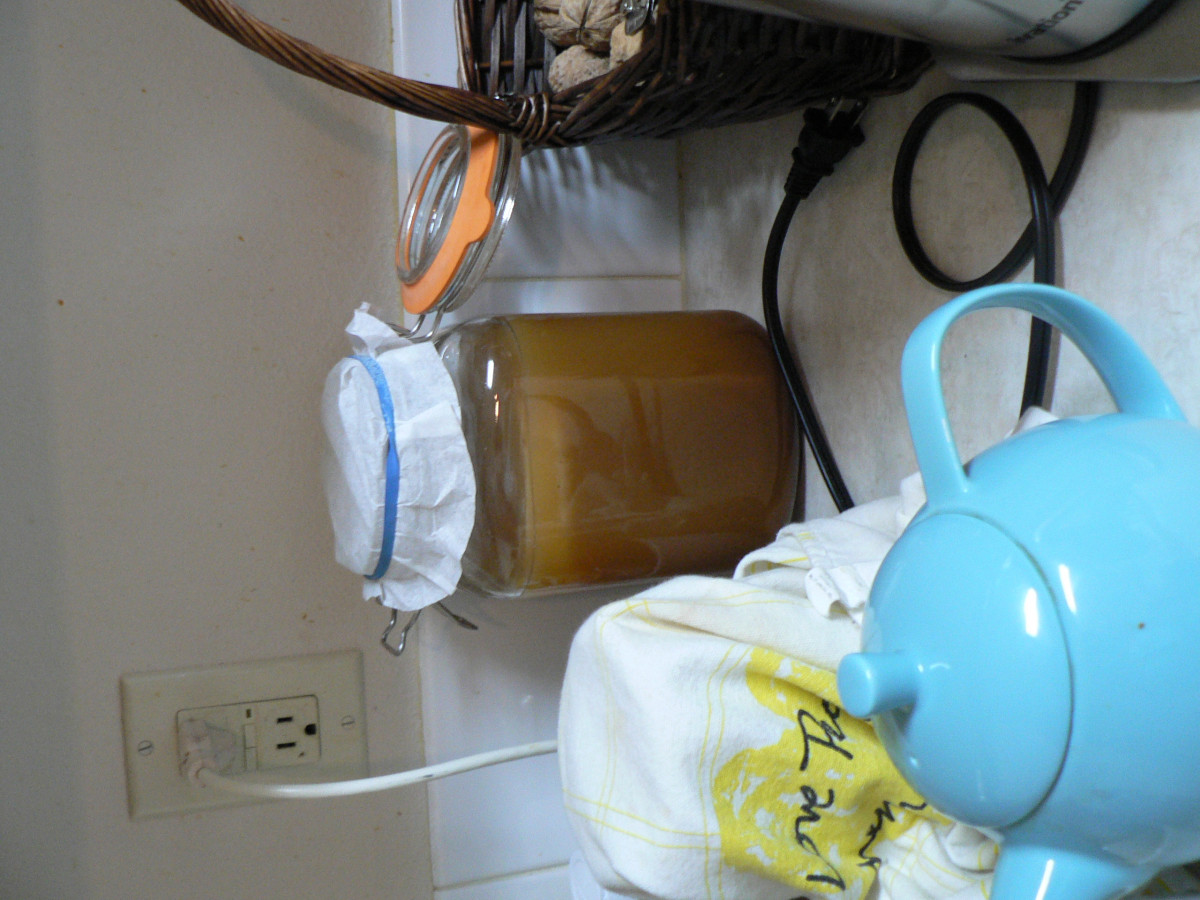
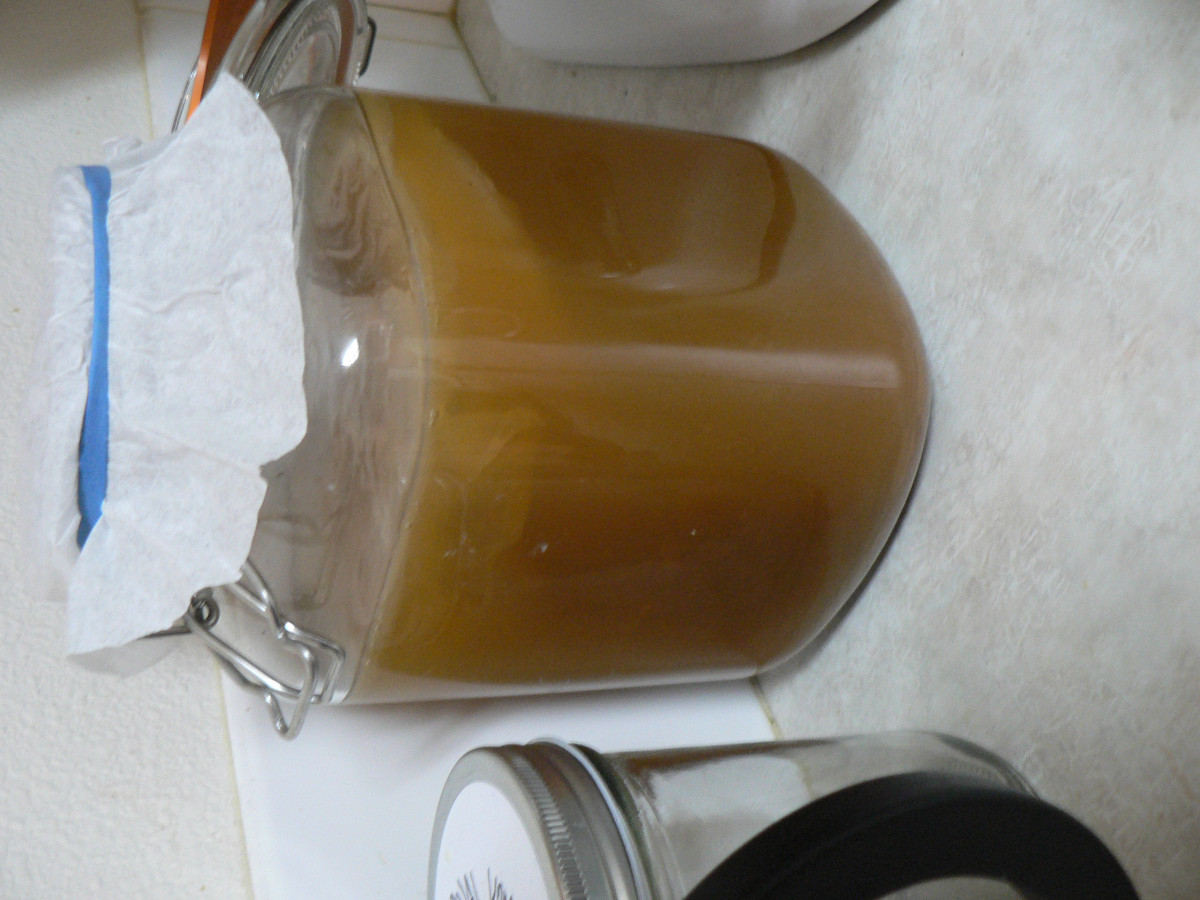
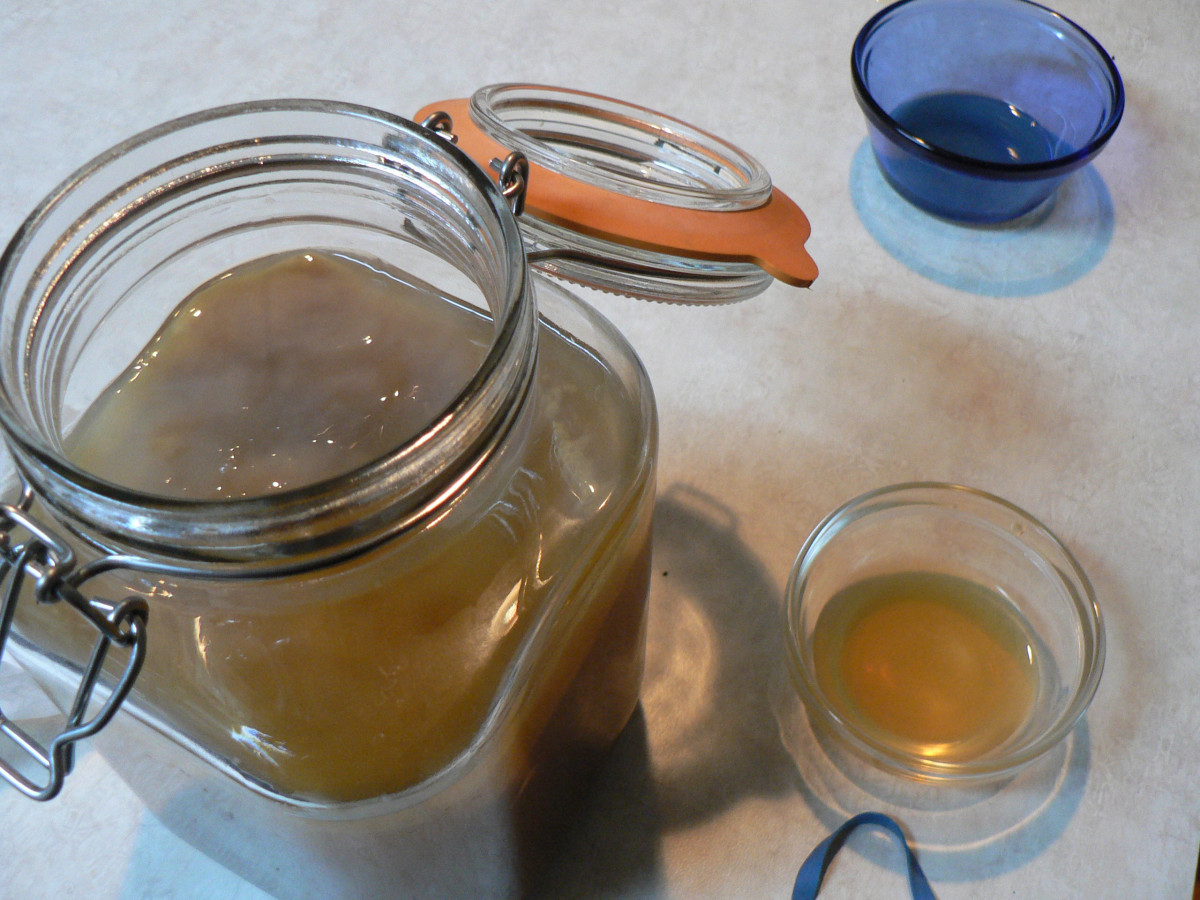
Anyways, first we brew our tea, which I did by boiling, then simmering it in a pot for about 15-20 minutes before allowing to cool back down to room temperature. Then I opened up the bag containing the other bag that contained the SCOBY and tea suspension and opened that up over the mouth of my fermentation vessel, added the tea, put a coffee filter and wrapped a rubber band around it that the culture can obtain oxygen. Let it go for a week. Sampled it part way through. Bottled it. It wasn’t fizzy just yet, but it got fizzy in the bottle.
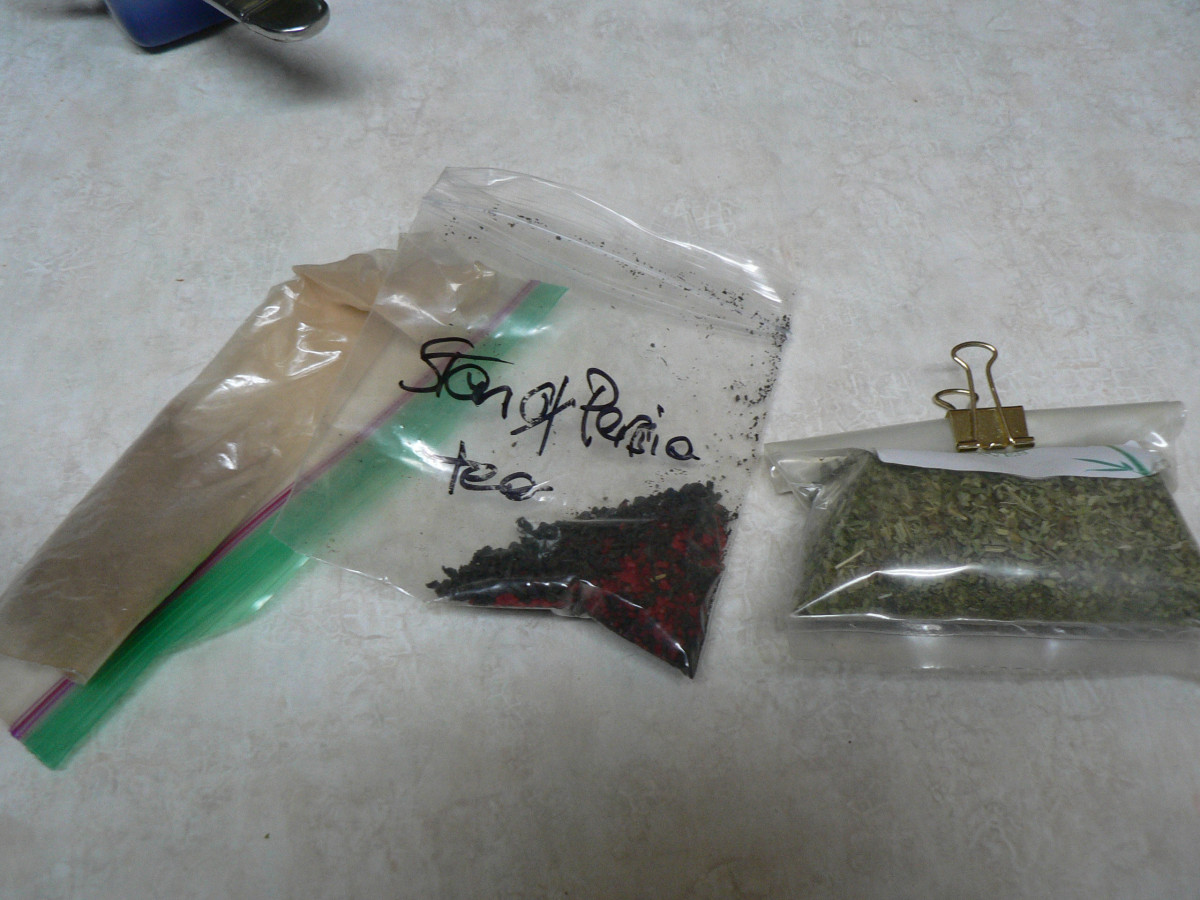
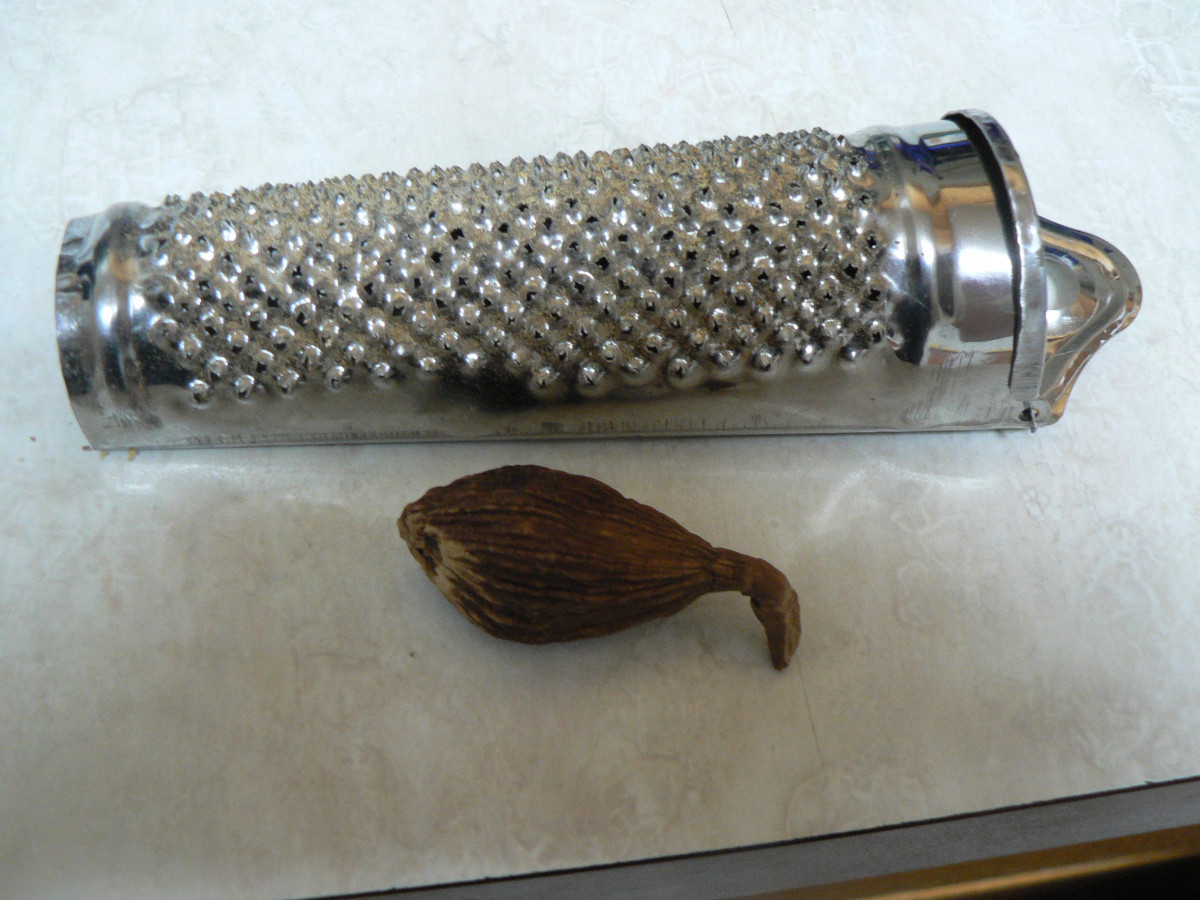
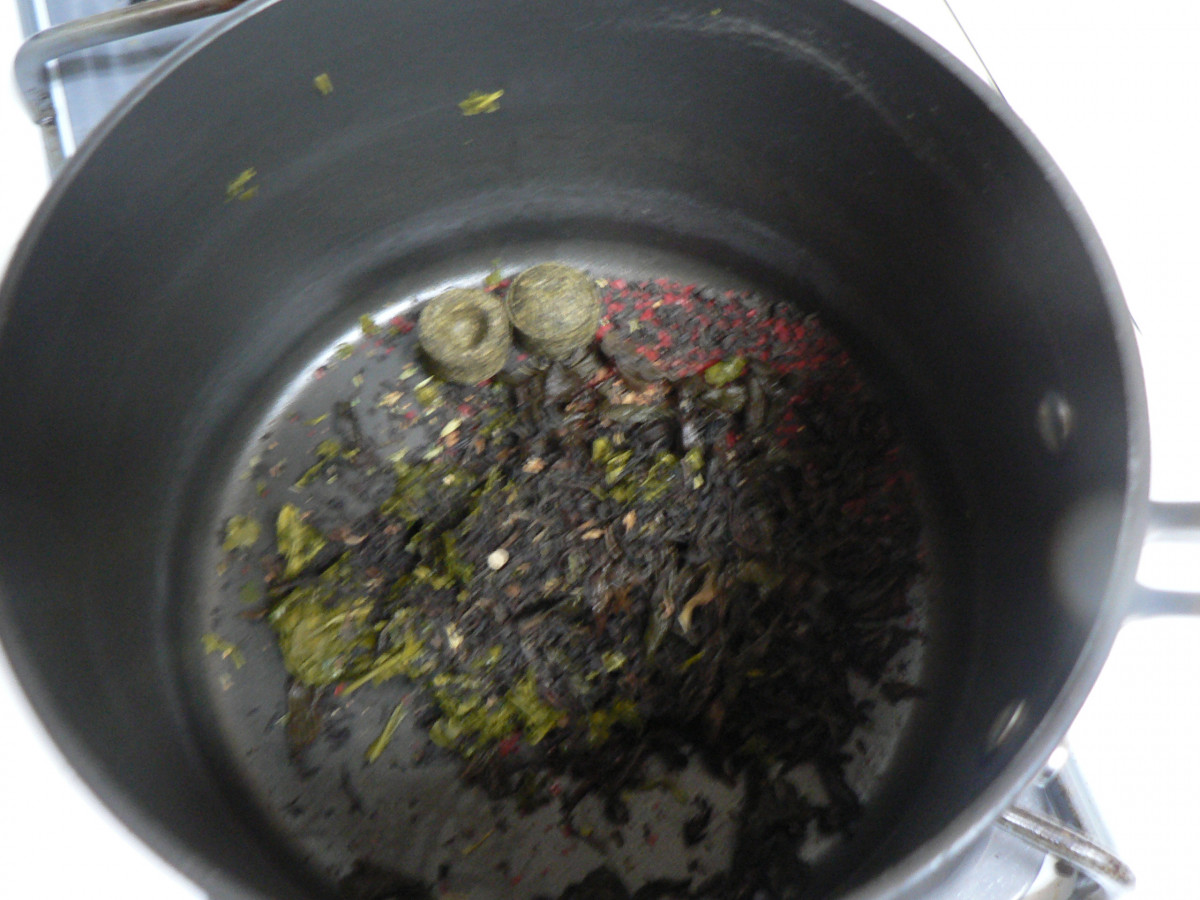
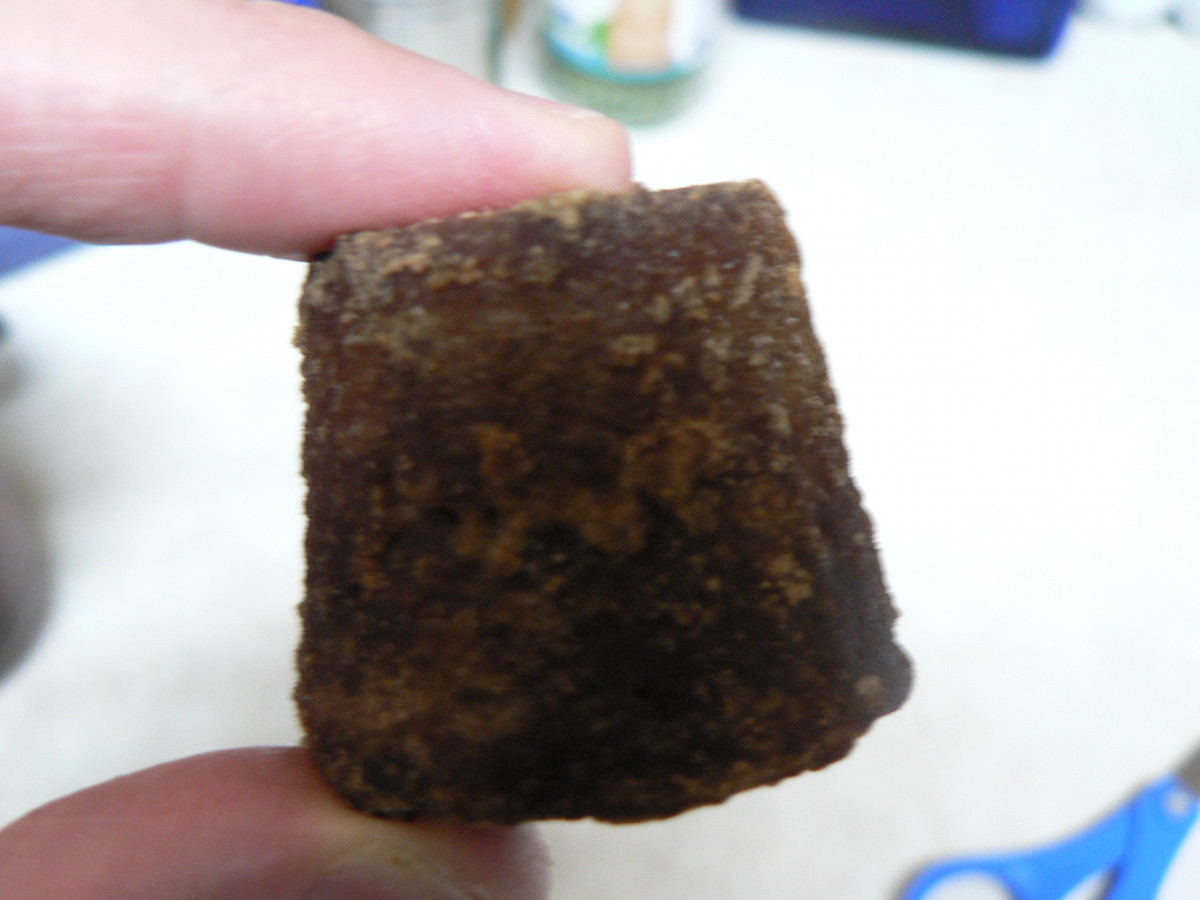
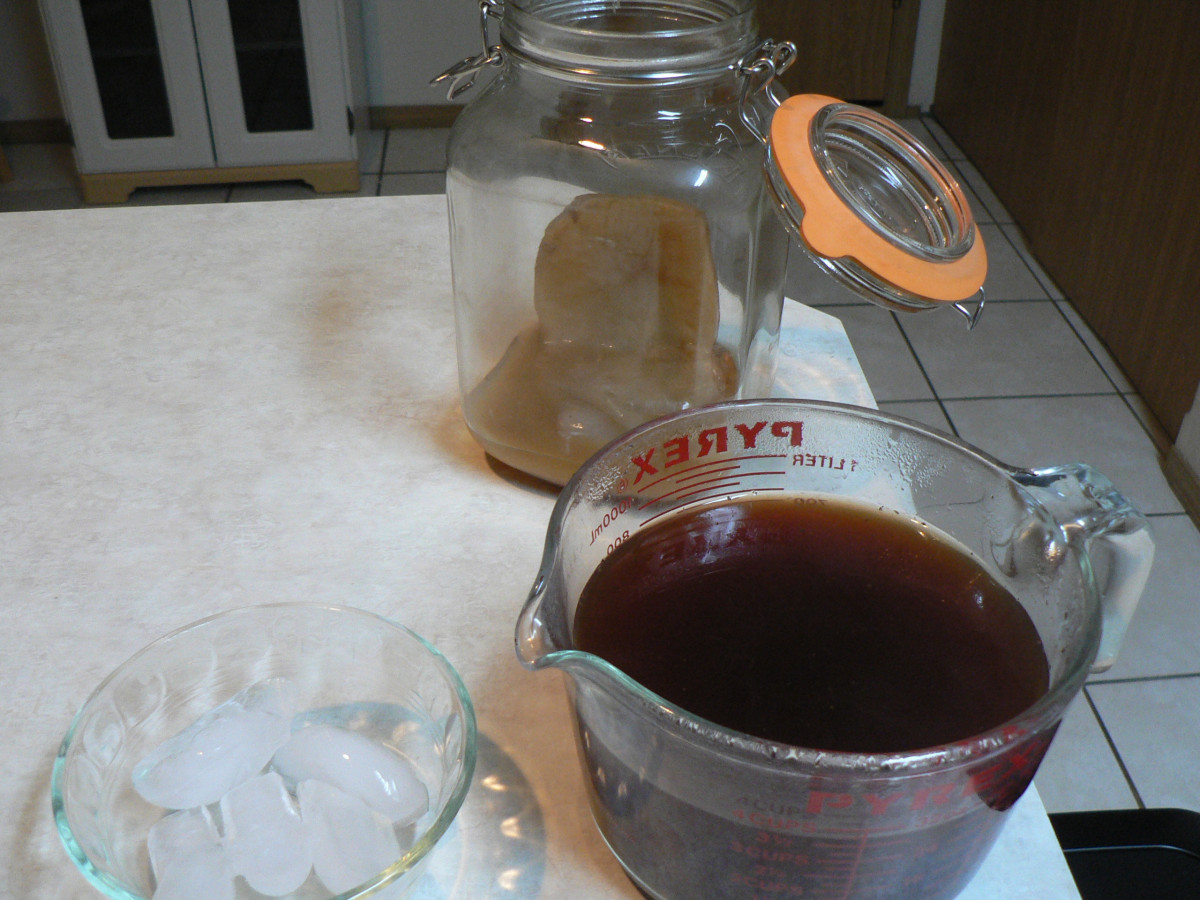
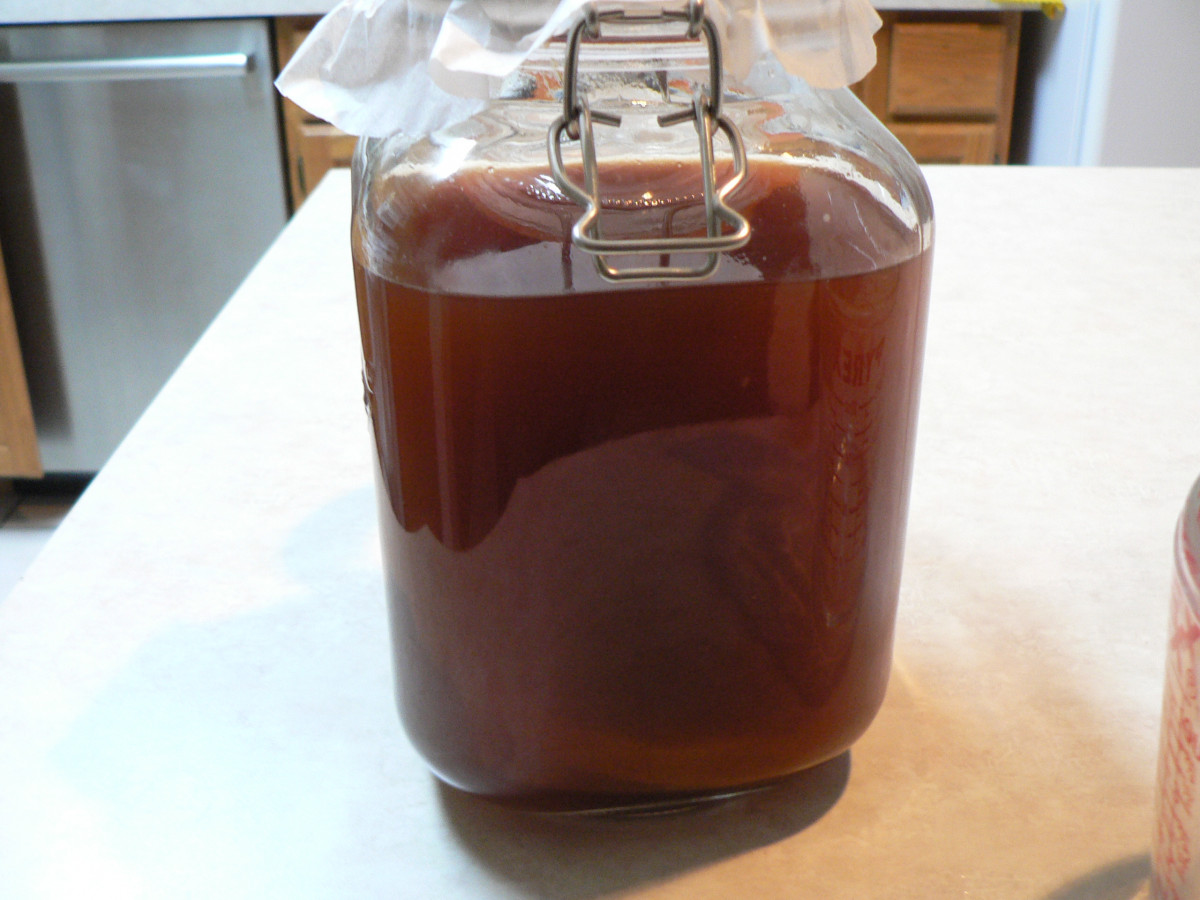
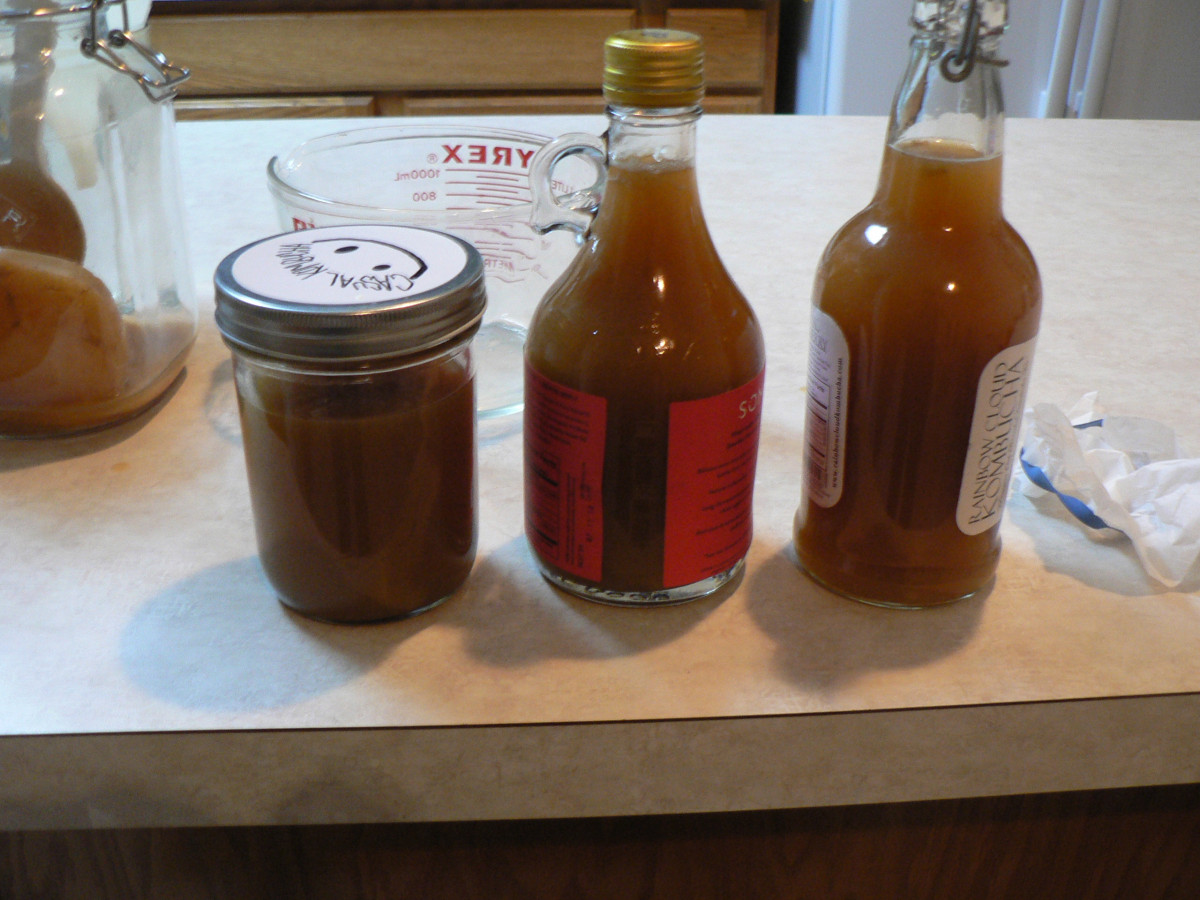
Immediately repeat, but with different ingredients, this time: a tea I didn’t like with fennel, coriander and cinnamon mixed in, shou pu-erh&green pu-erh tuo-cha, a black tea whose defining feature was somebody mixed candy sugar in, some green tea I had steeped twice, a spice marketed as “Asian nutmeg”, a cylinder-block of Latin American dried sugar and another pinch of danger stevia leaf just in case the SCOBY booger was used to that. Put it in the jar and waited. Ended up removing the top SCOBY that had grown from the last time ’cause it weird and baggy and mold began to very slightly develop atop, added a tablespoon and a half verjus to murder some microbes. Just gonna fish out the original SCOBY and maybe do Sandor Katz’s “candy” recipe with it. This one got fizzy still in the big jar.
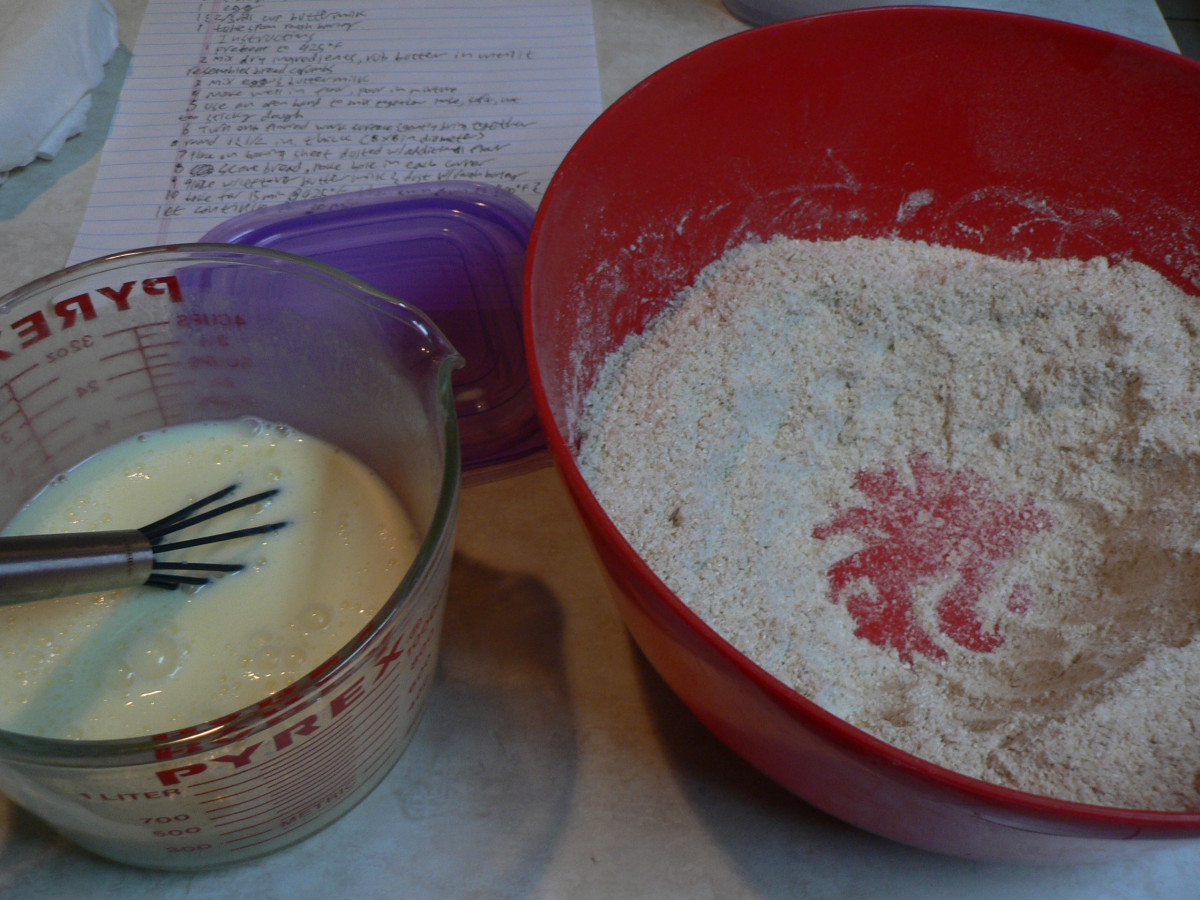
I attempted to cut the recipe from Mouthfeel to 1 cup instead of 5 cup proportions, but then, because that’s not how baking works and also my starter is in a baker’s sour sort of territory things went a little funny:
base dough is:
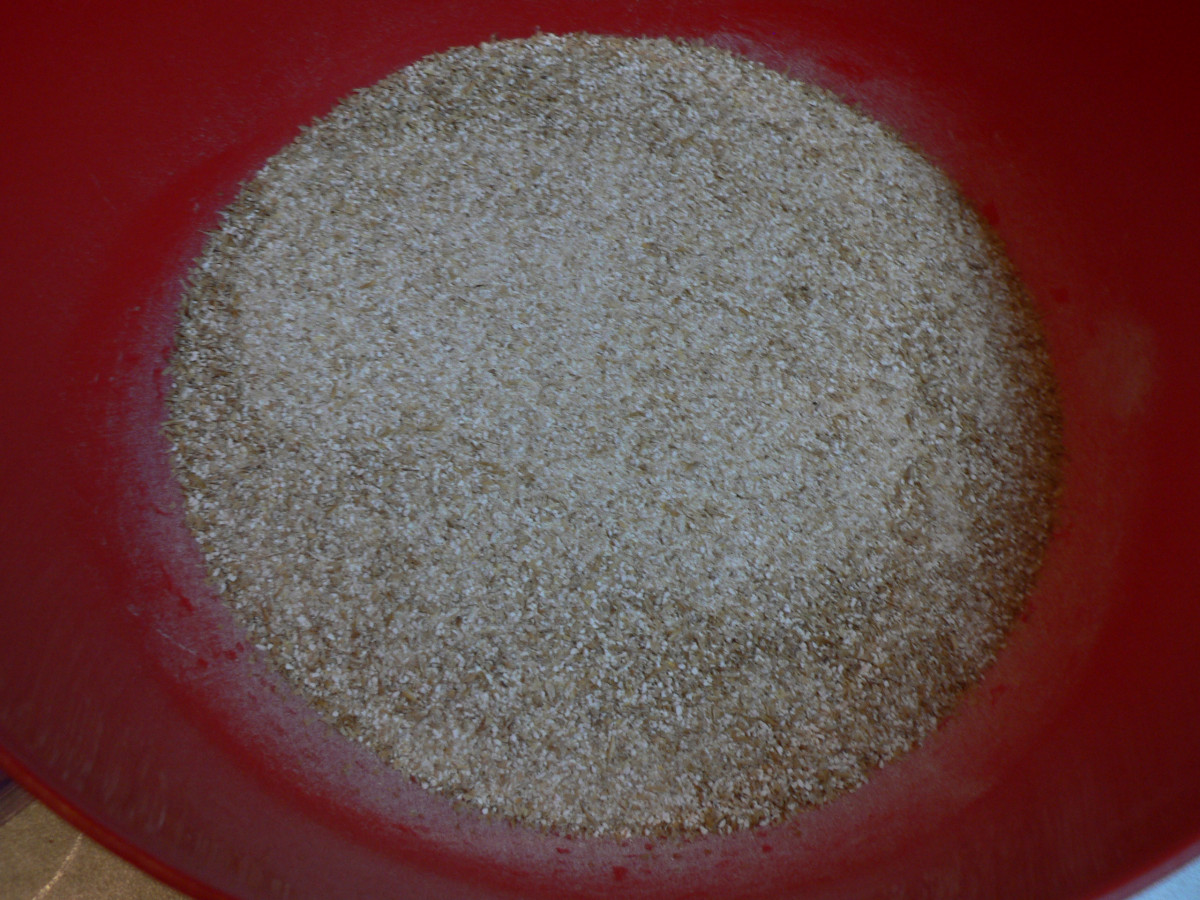
1 cup all of the milled golden promise/maris otter alike barley flour
1 cup water
2 tablespoons salt
2 table spoons sourdough starter
olive oil
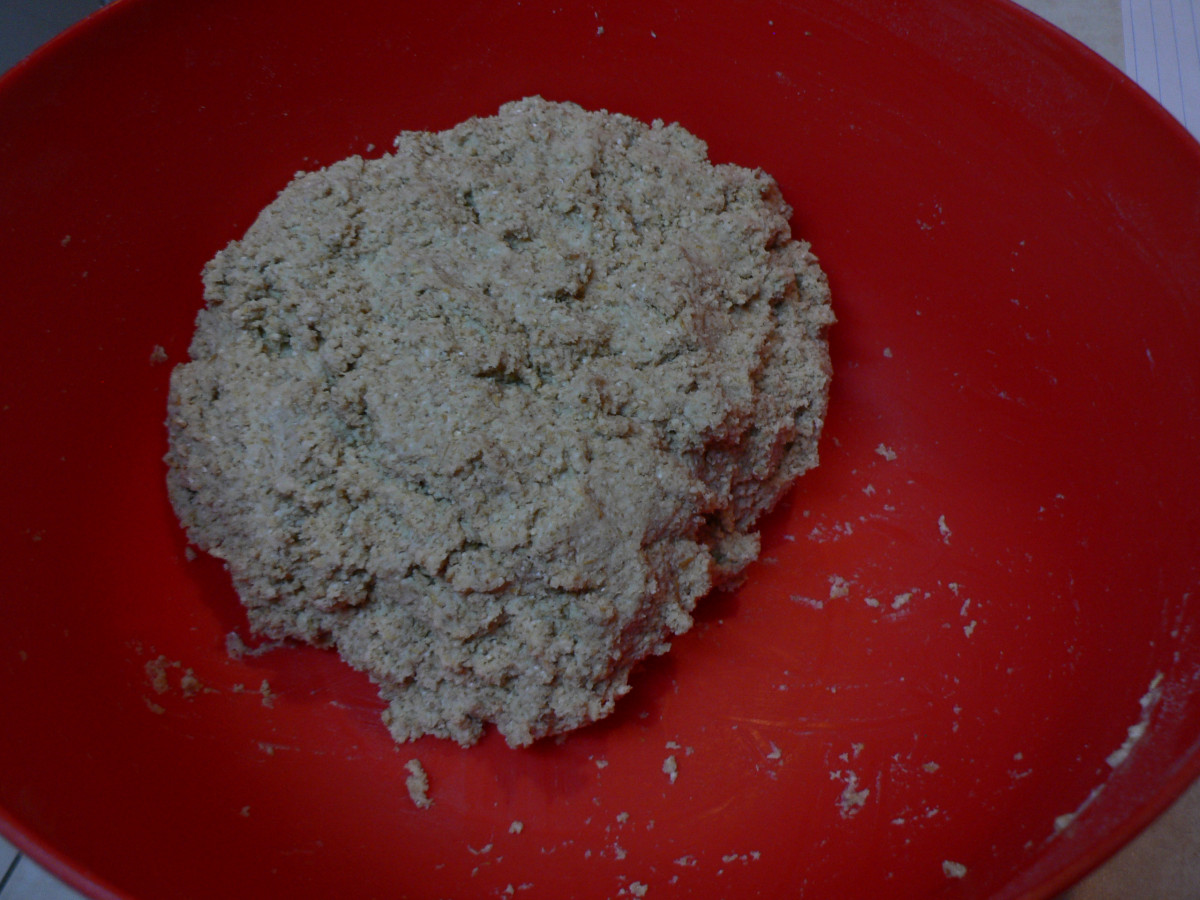
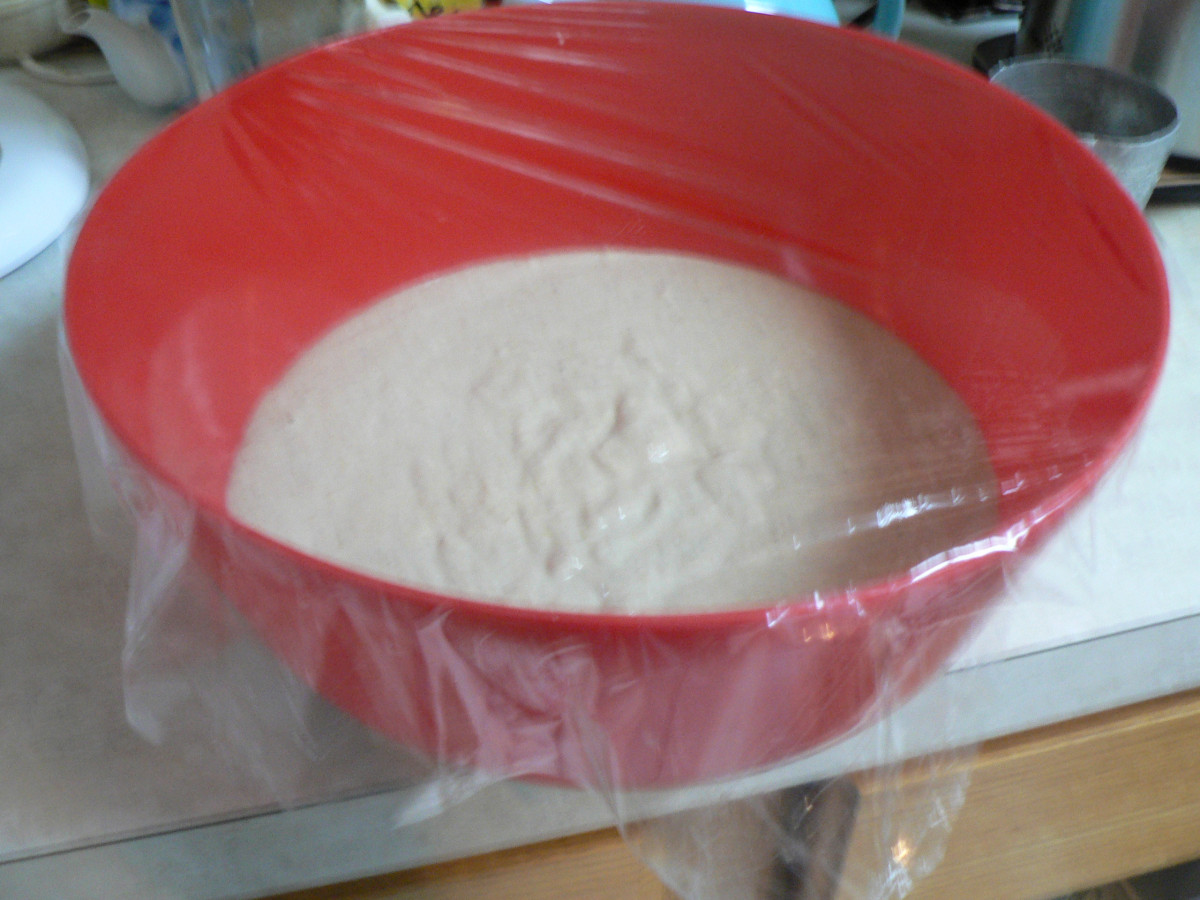
to which I added about 4&1/2 more cups of unbleached whole wheat flour afterwords and still ended up with a runny batter when all is said and done.
That still made a bread, though!
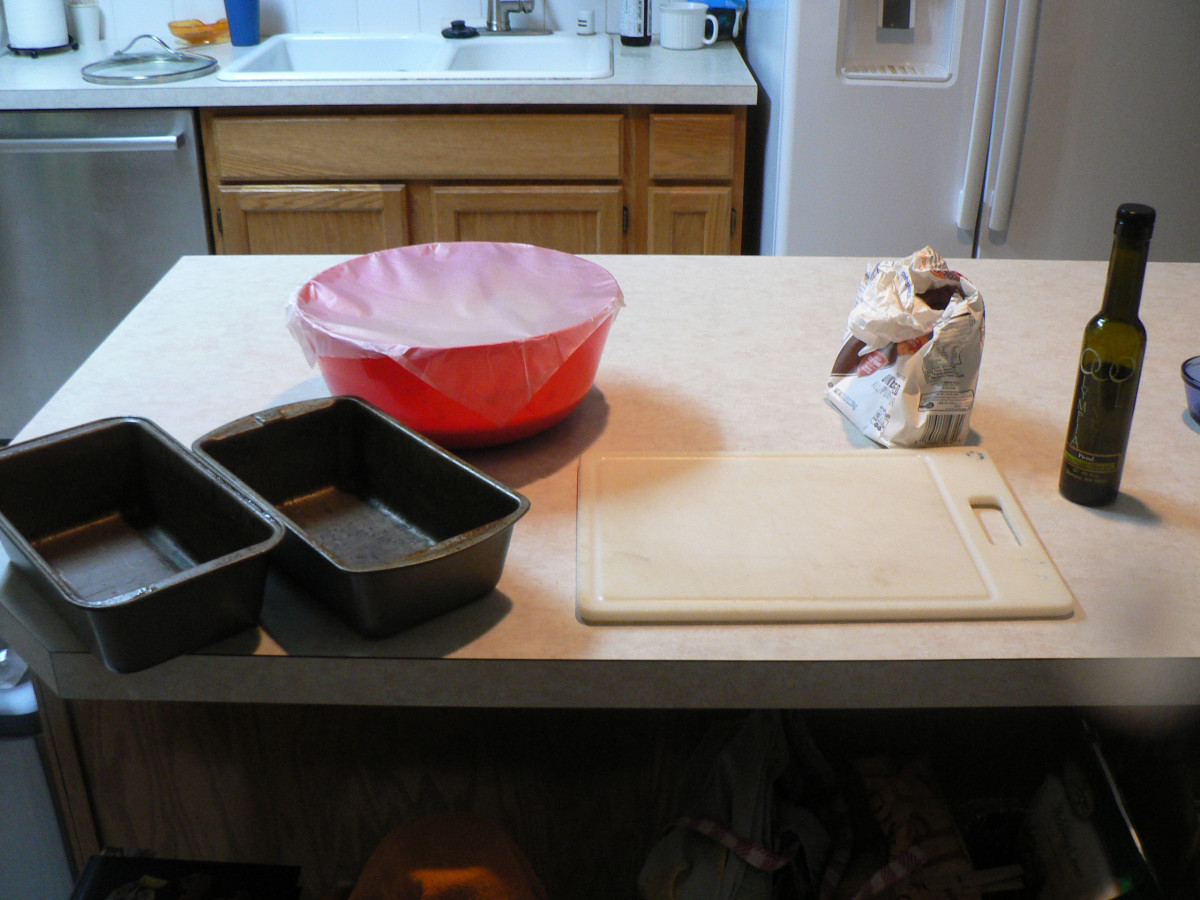
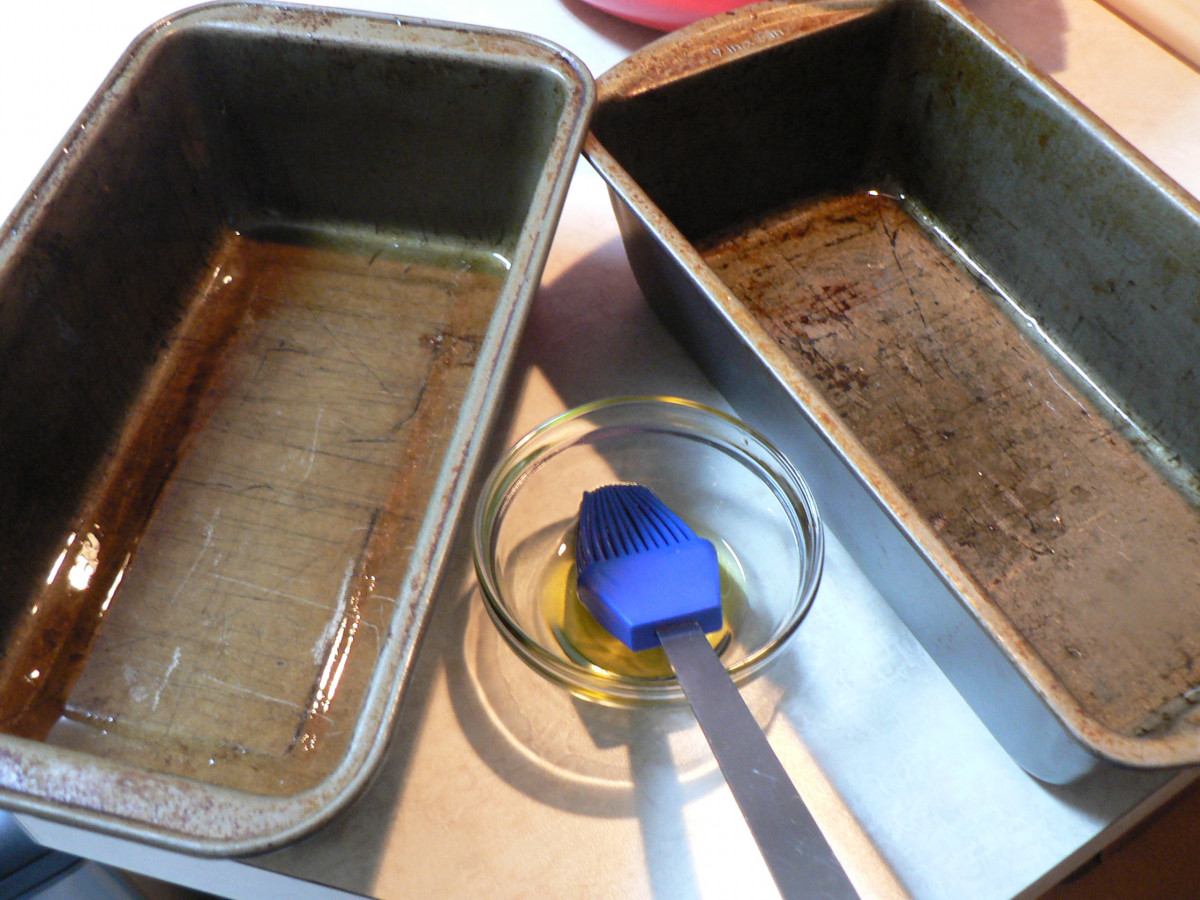
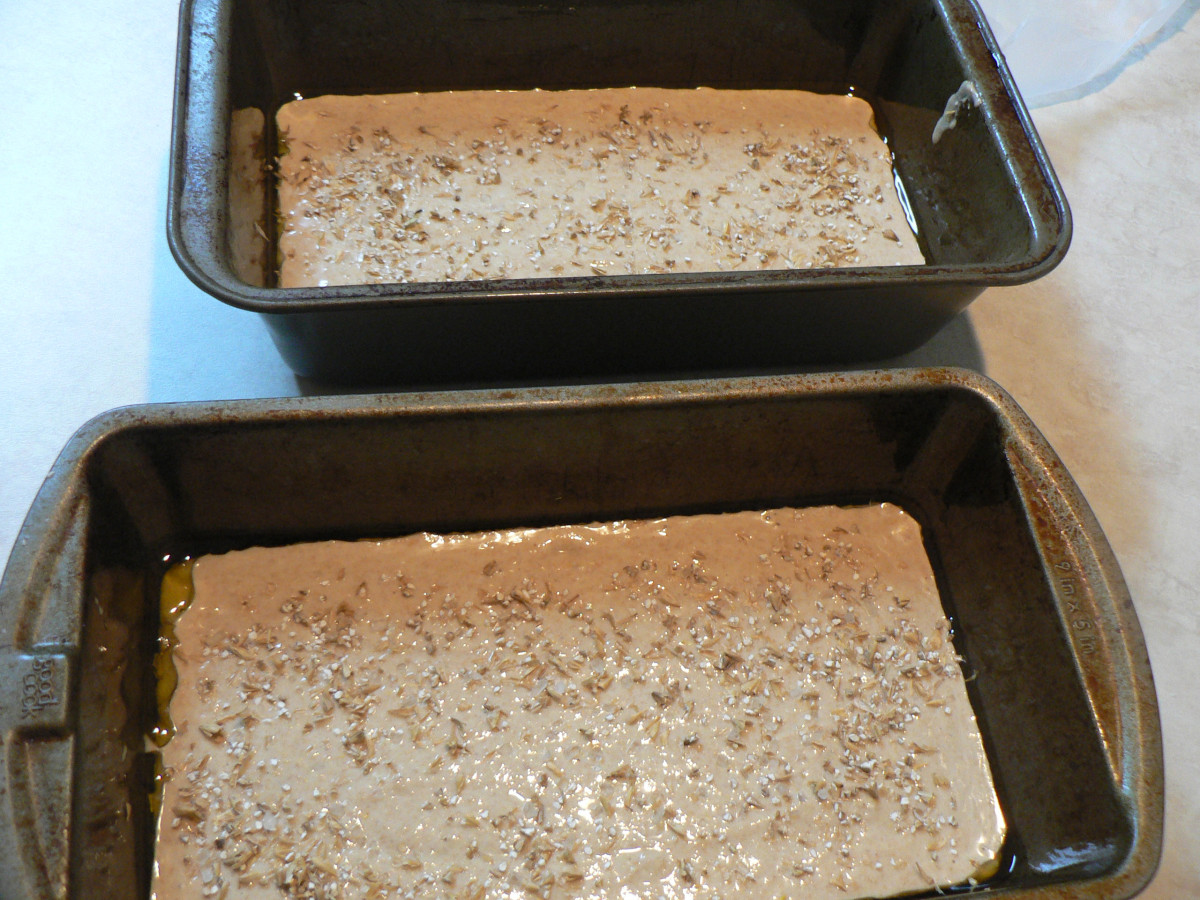
all photos benjamin reynolds 2018
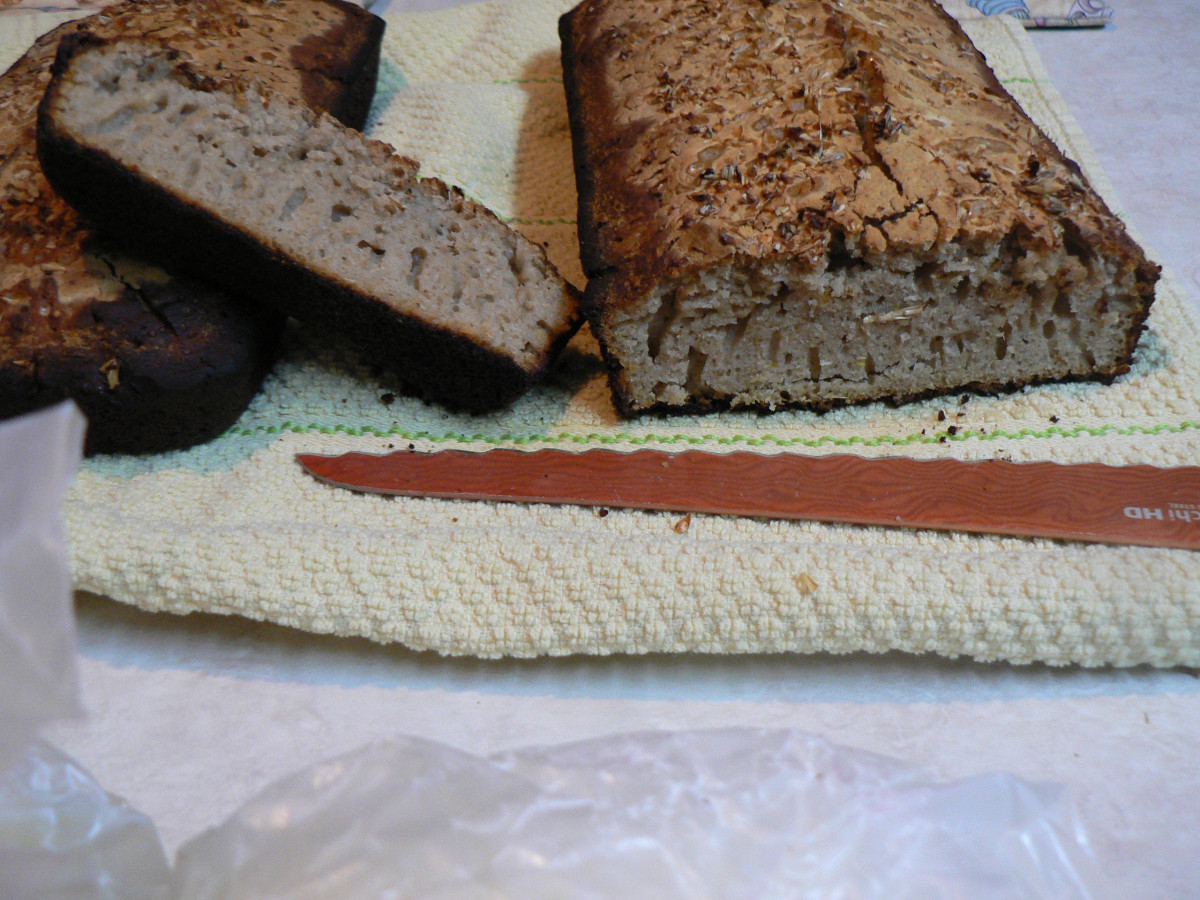
A not quite flat, kind of tangy tasting bread. It goes quite well with jam. I would make another attempt, but I think my funky sourdough starter has progressed into a much different territory, now. I might hand it off back to Cascadia Homebrew and see whether it’s become some kind of wild yeast haven for brewing.
While I’m on the subject, here’s a trip through all the times I remembered to take pictures of “feeding the baby”:
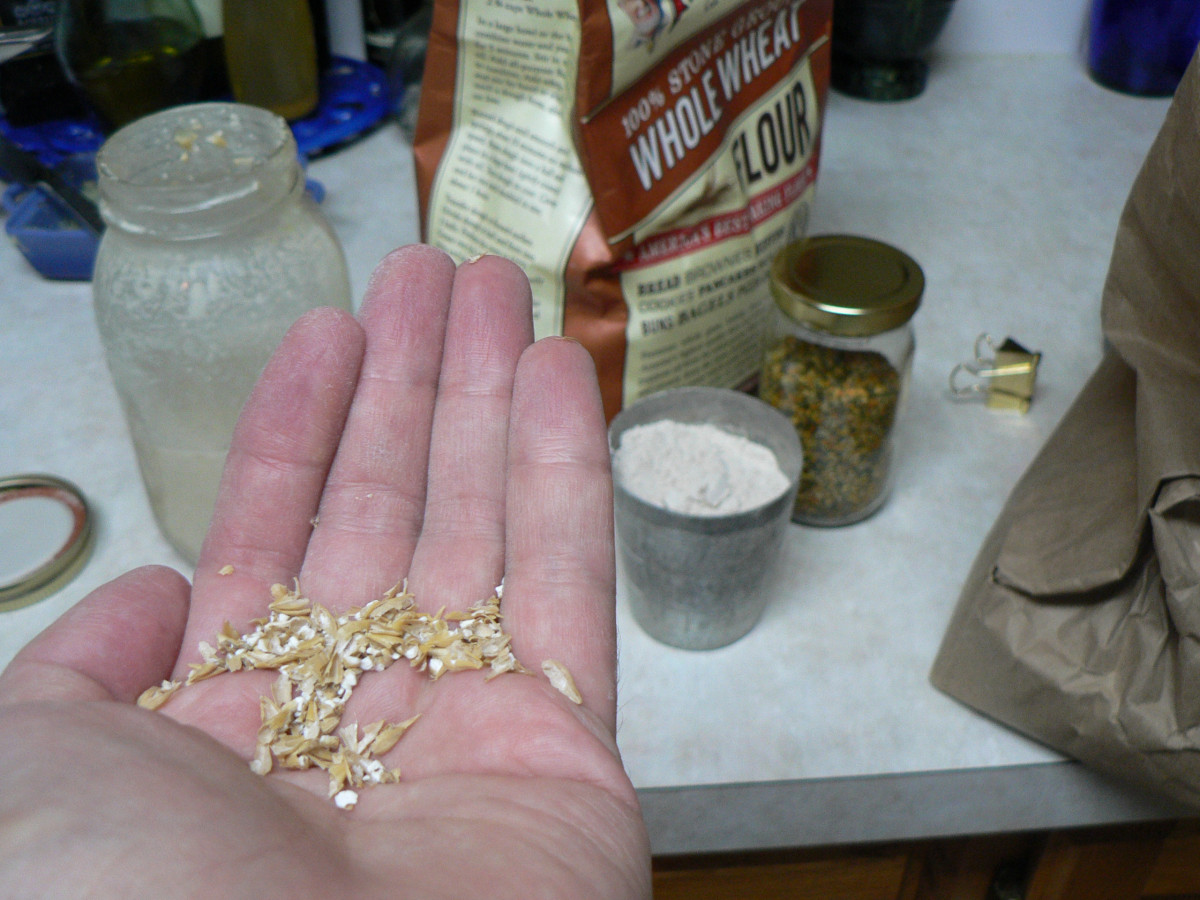
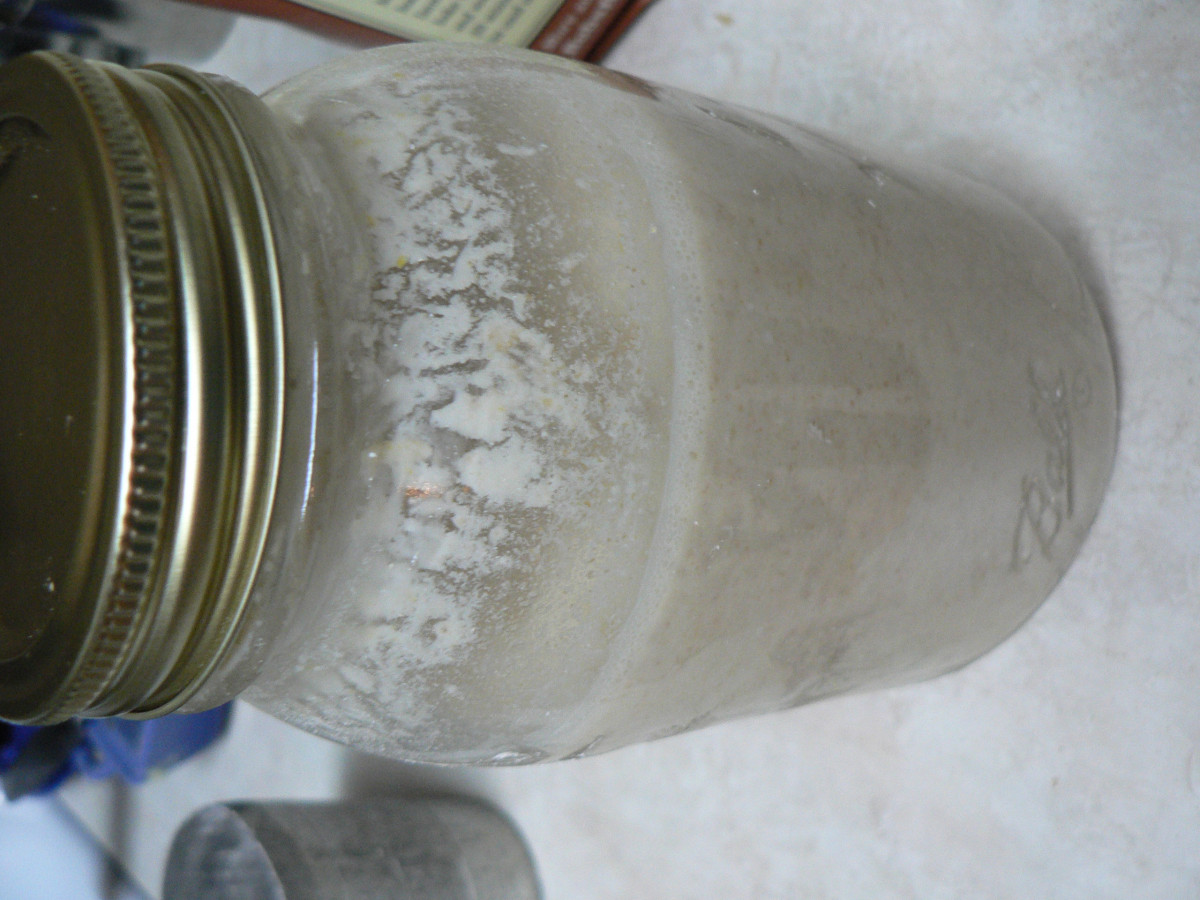
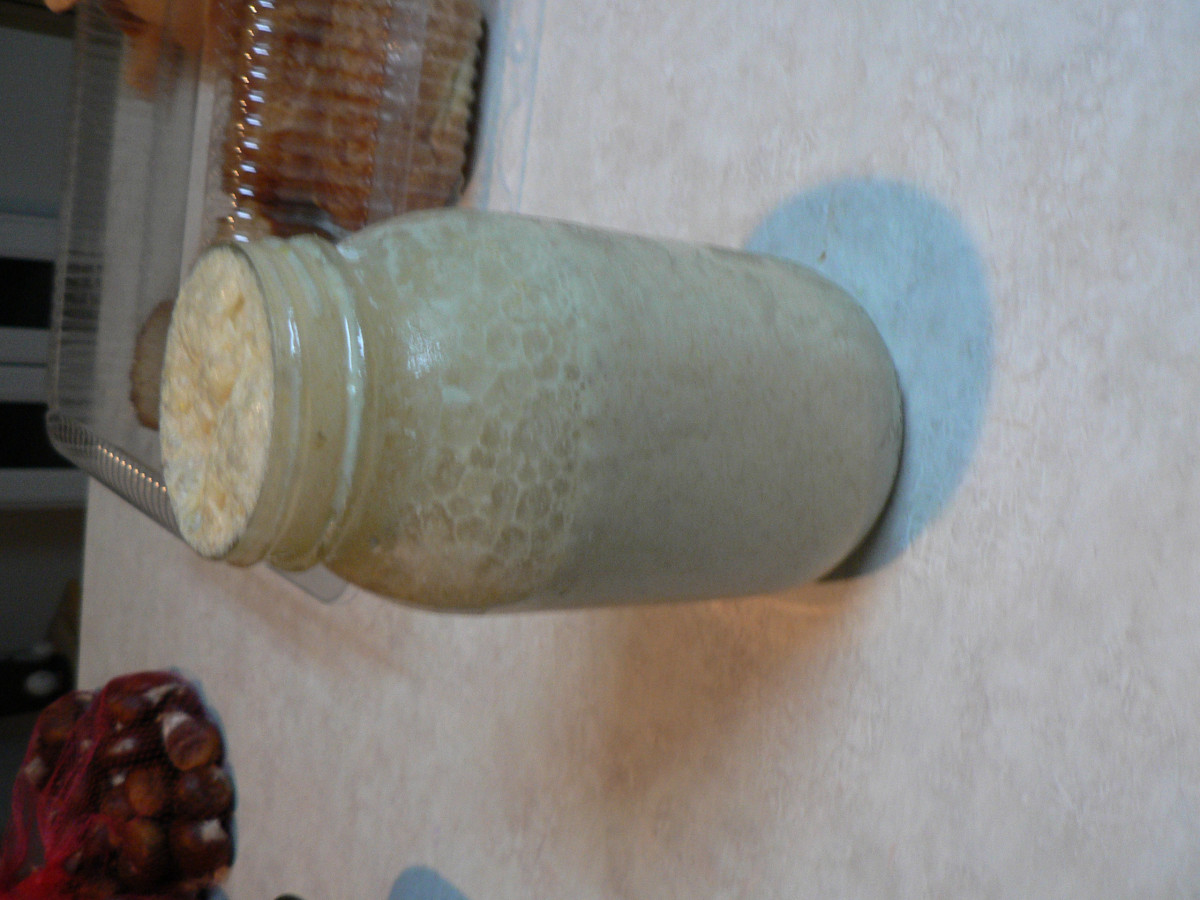
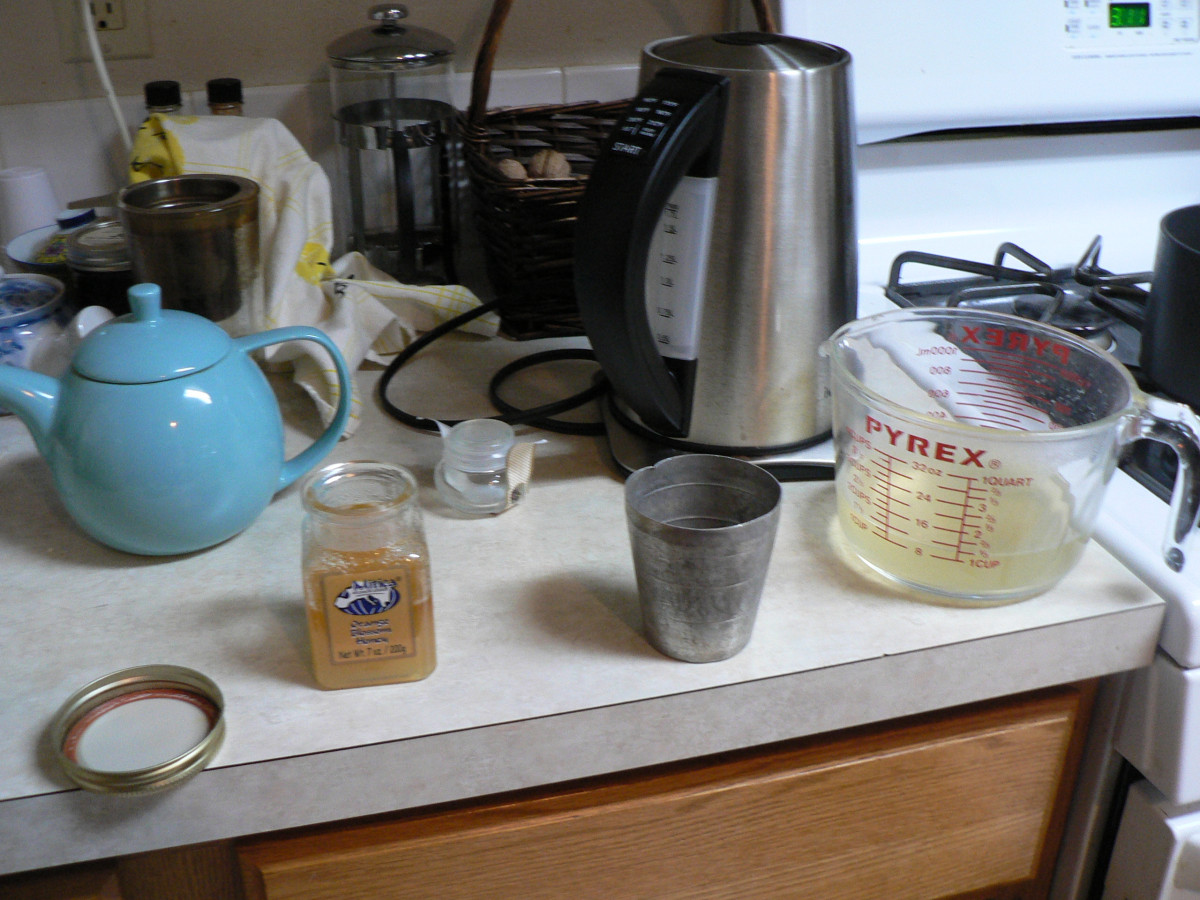
So, yes, I’ve been feeding it all kinds of things. From the start it was just flour, a little bit of the barley that had gone unmilled and warm water. …but now it’s been fed honey, bee bread and homemade corn syrup. And it smells less sour and more like a maris otter-y kind of perfume.
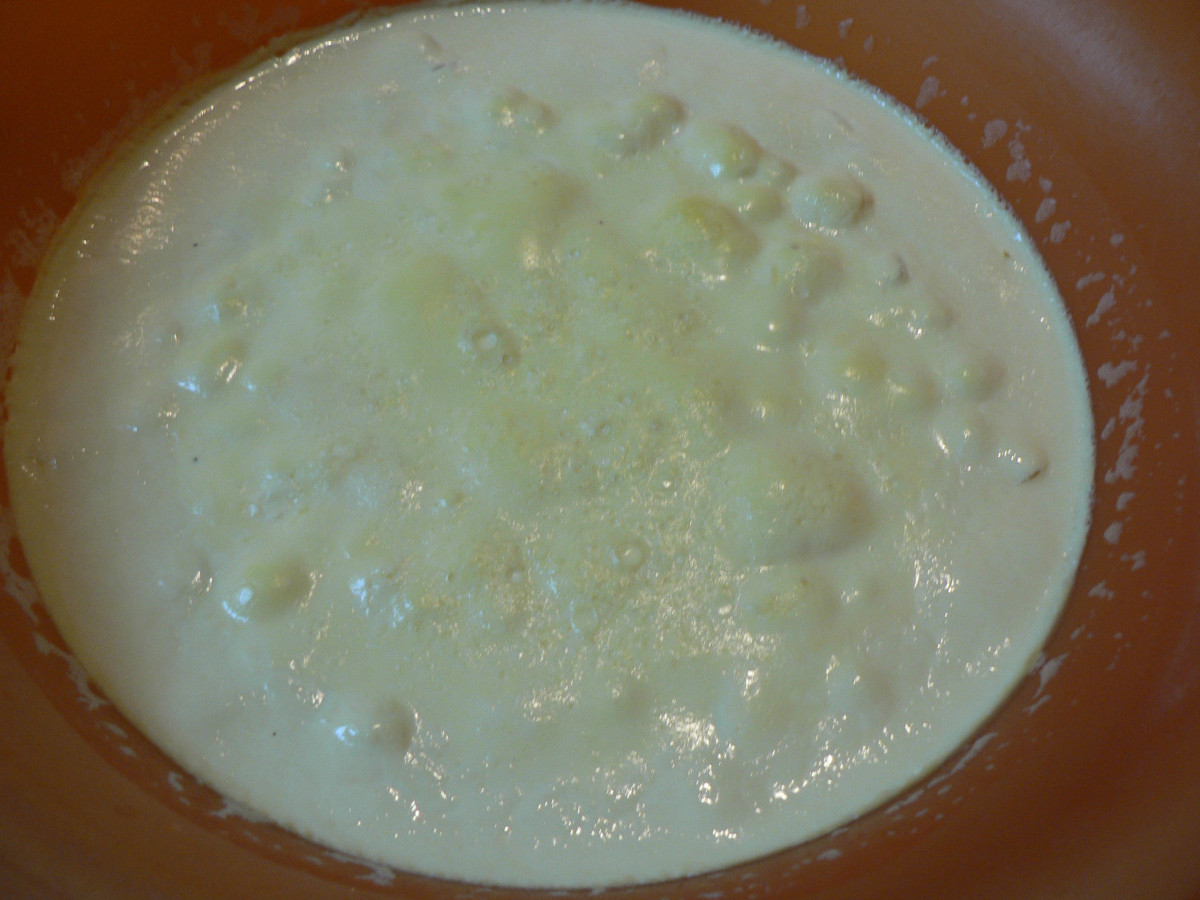
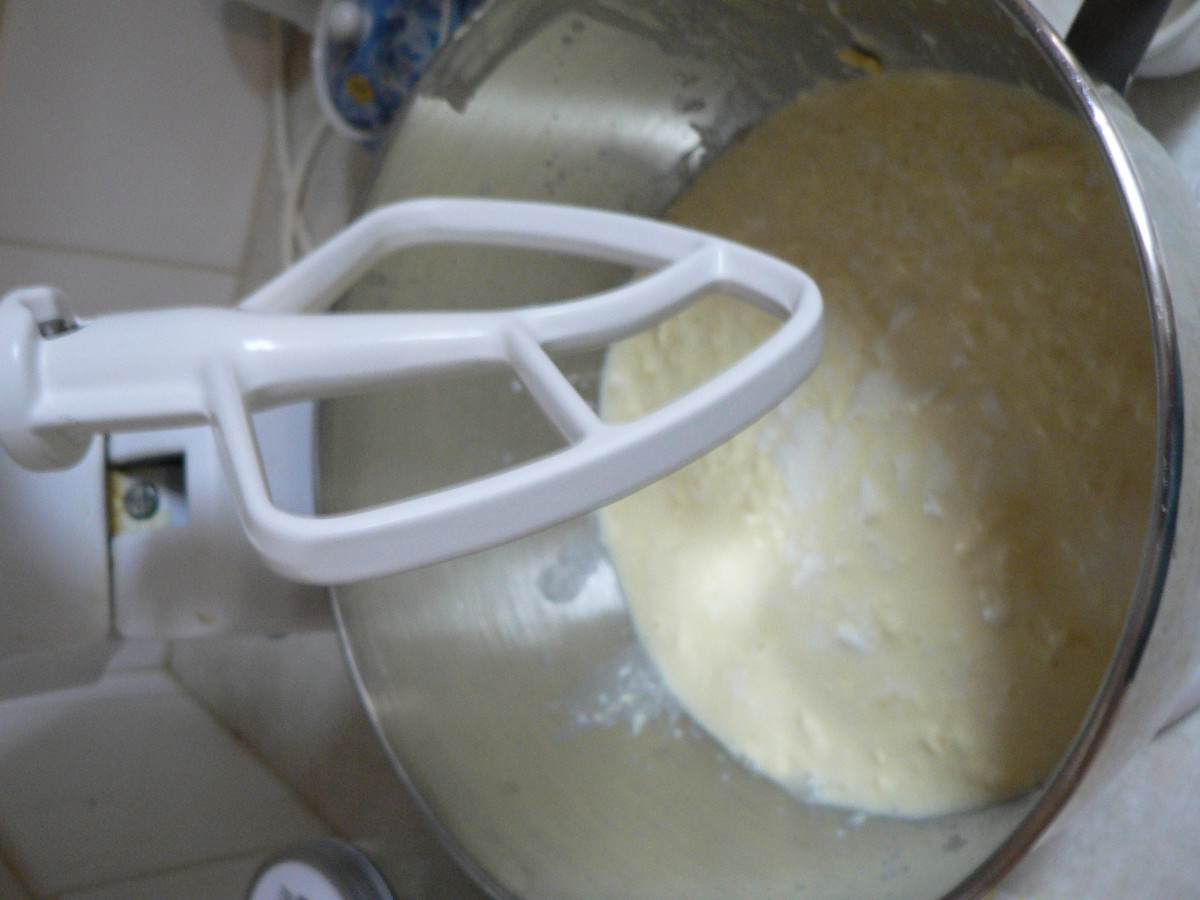
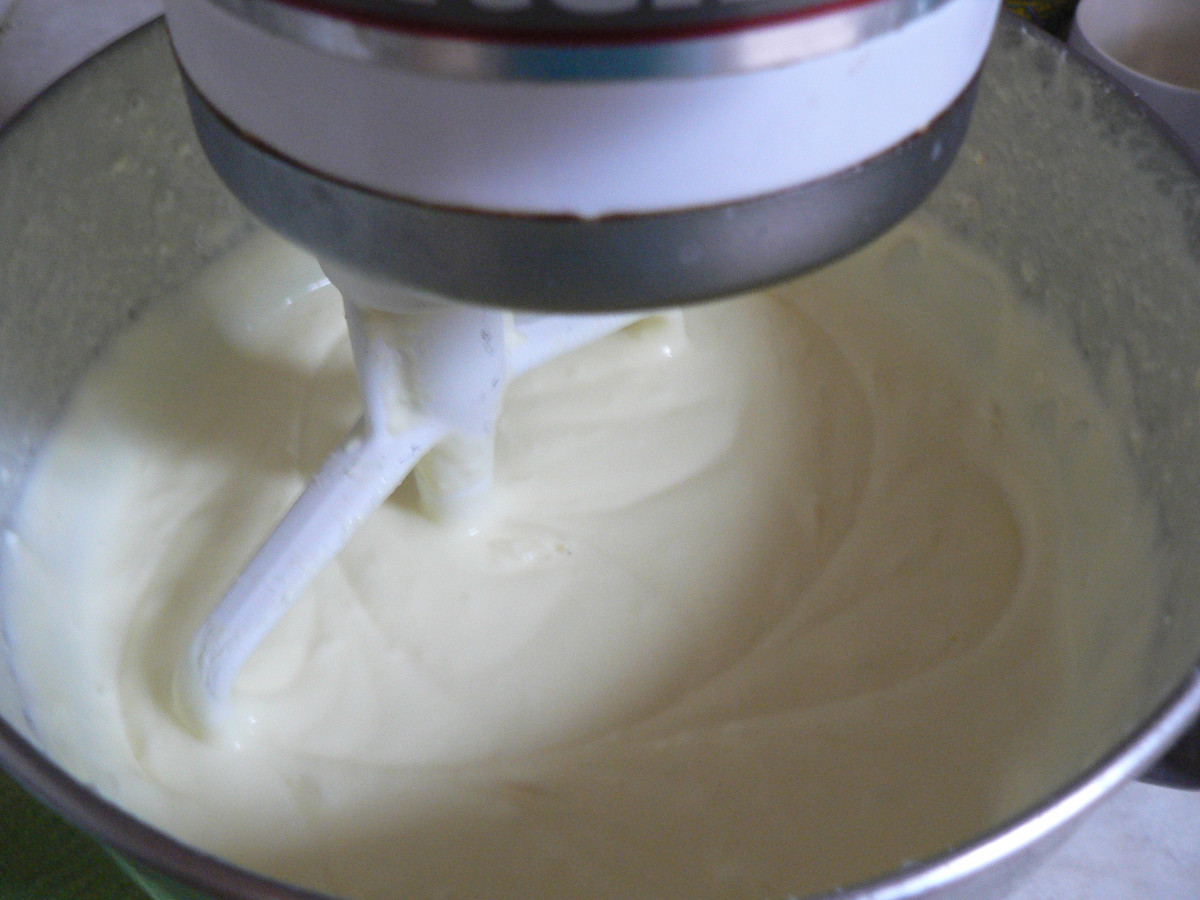
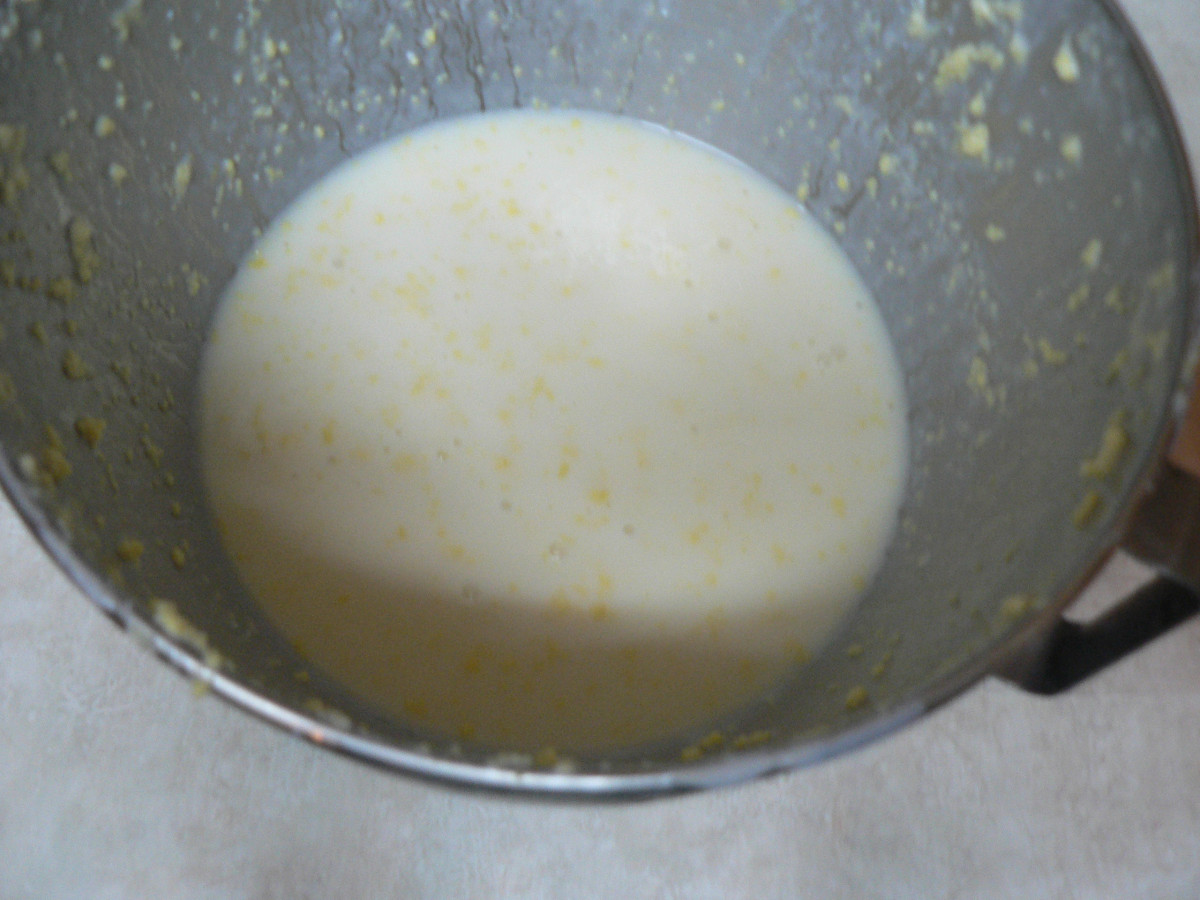
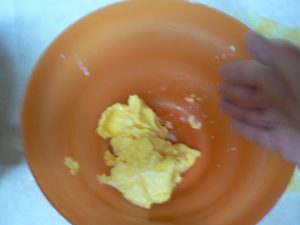
all photos ben reynolds 2018 me me me me i did it
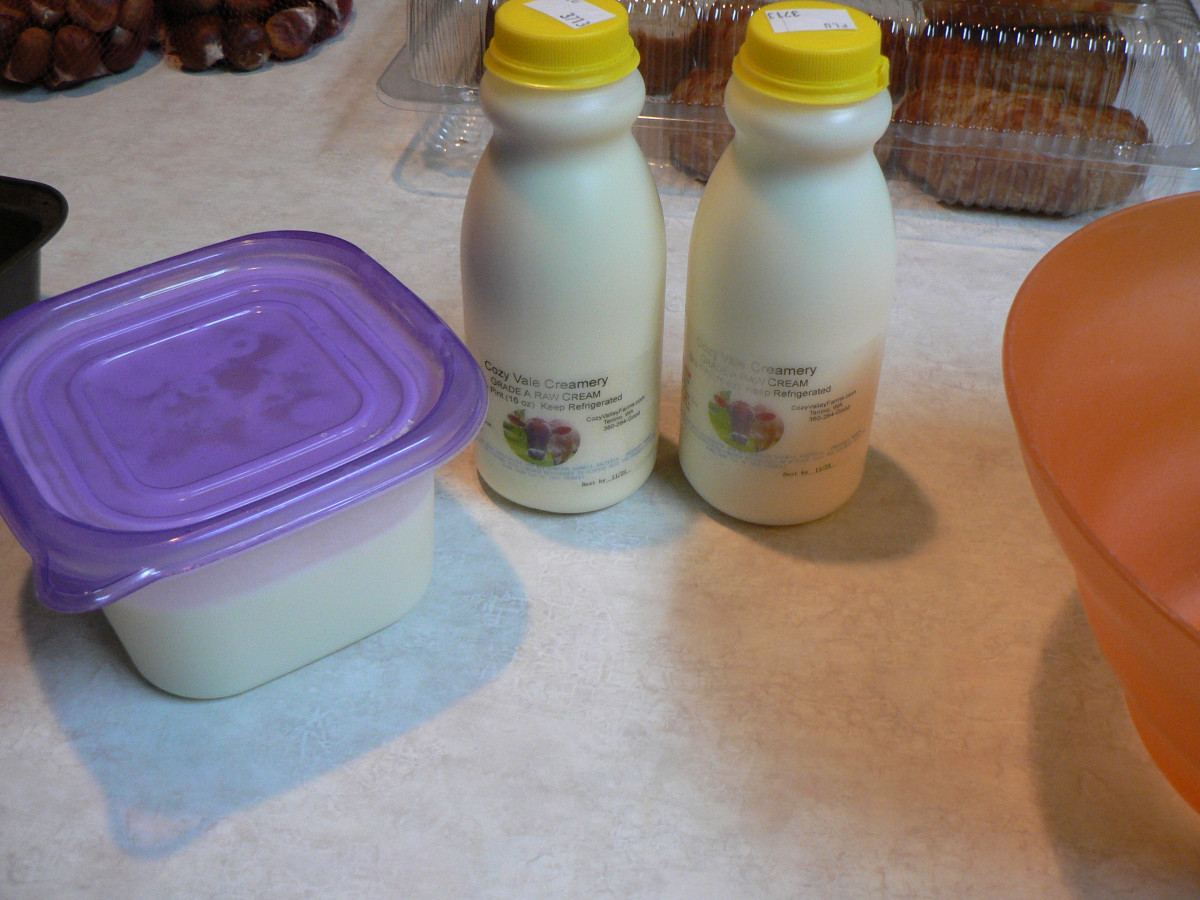
This time I used the backslop method described in both The Art of Fermentation and The Noma Guide to Fermentation. I bought some cream from the east-side co-op while I was tracking down a Kombucha Thing. And basically did everything the same, this time ending up with about half the solid yield I have been ending up with. Maybe my buttermilk isn’t enough, or when using it, I should let it go for a longer time? I guess I have enough time for one more go with this, but we’ll see. Oh, and by the way, the taste between this, the Flora Danica and the locally made Tunawerth Creamery yogurt batches aren’t very pronounced. So I’ll be saving space in the fridge by getting these all to room temperature and just sort of working them together. Buttermilk did make this one quite a bit more yellow, though.
Also:
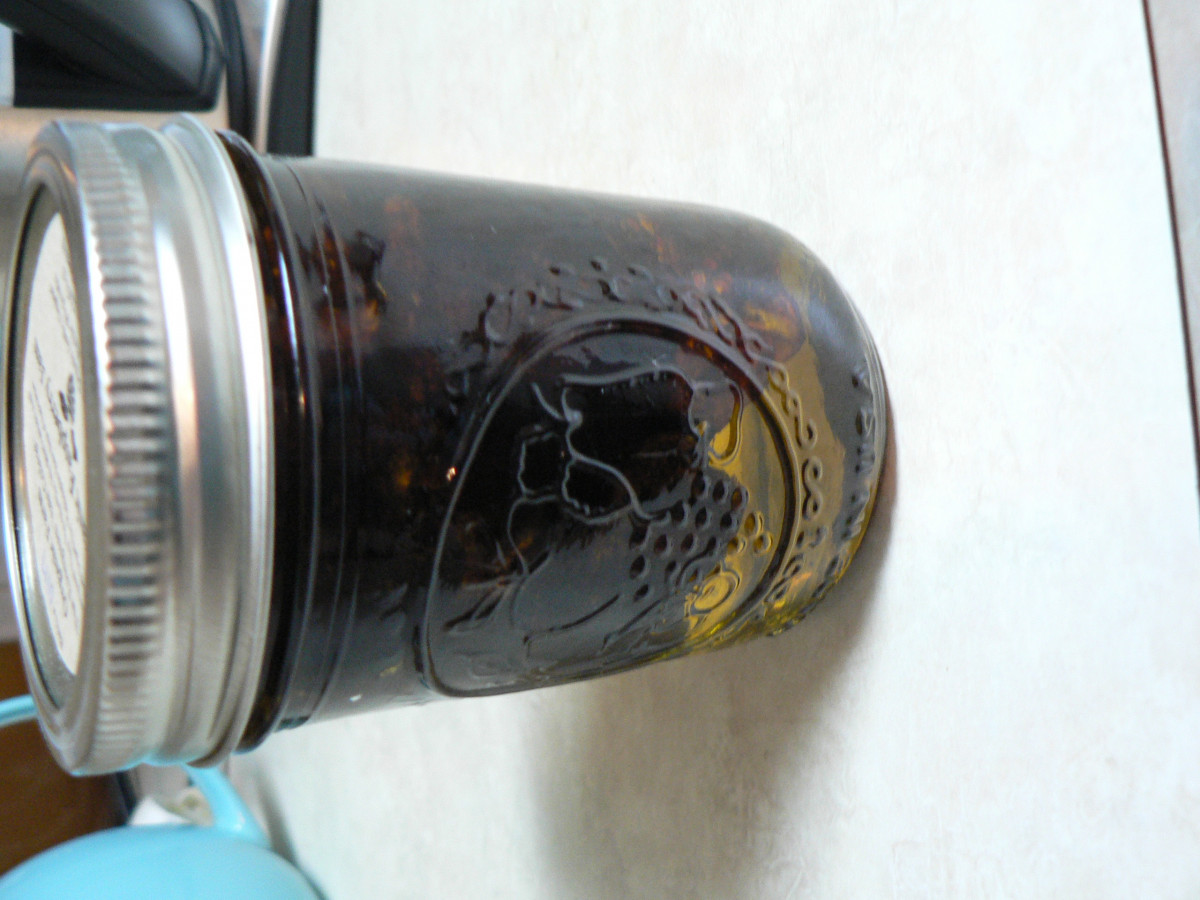
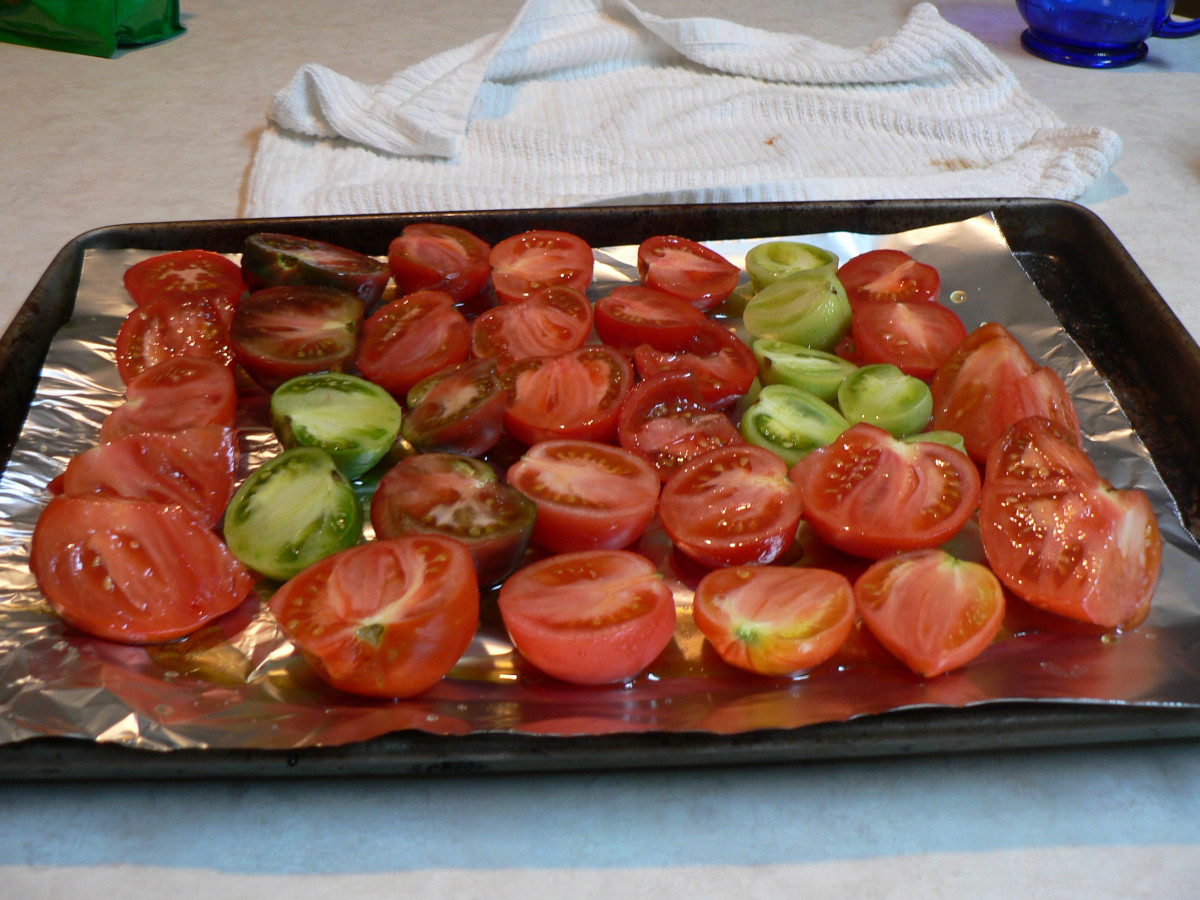
I jarred my dried tomatoes with some olive oil.
And also:
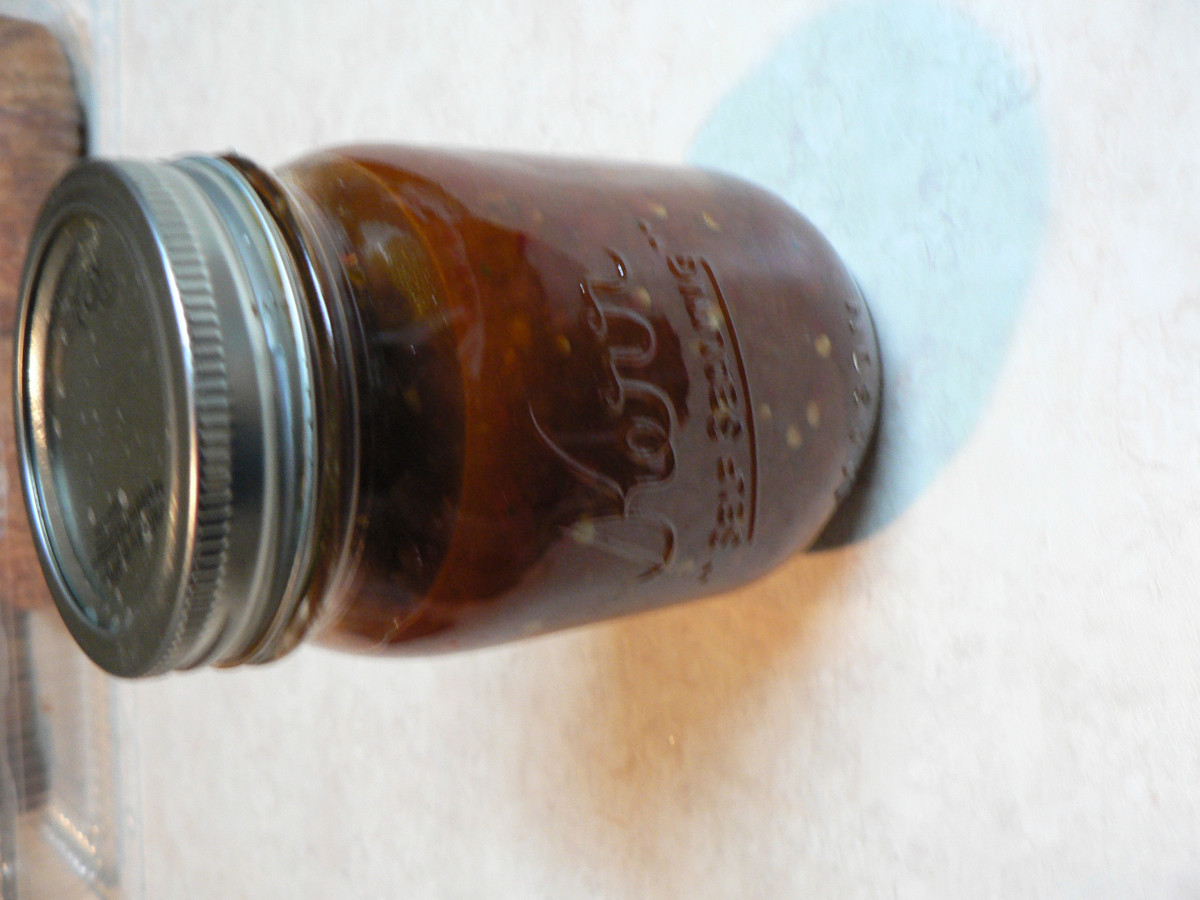
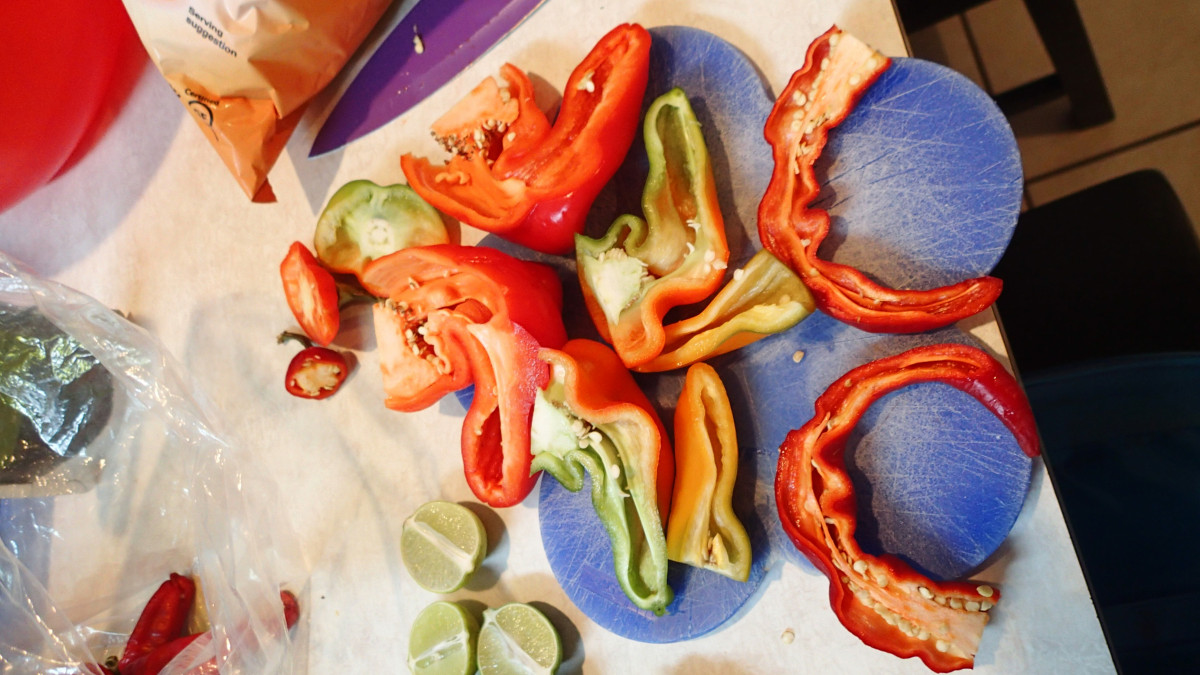
I transferred my salsa into this jar which I’ve fridged, leaving my fermentation vessel nice an open for… another thing.
All Photos Benjamin Reynolds, 2018

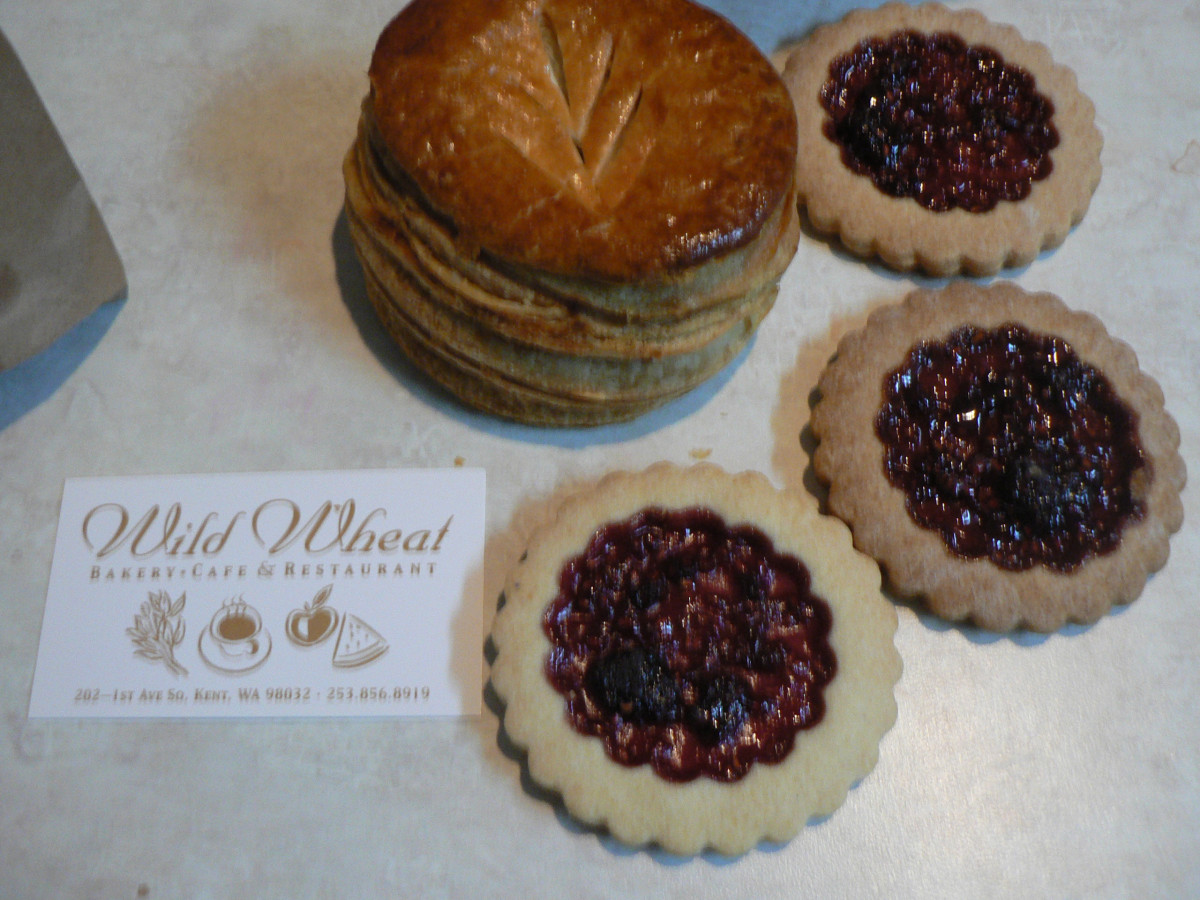
Cameron and I both took a photo here after the journey in. I woke up very early that day and took a quick stop at Wild Wheat Bakery, Cafe & Restaurant in Kent at 7:00 AM for eggs benedict and coffee and snagged some pastry on the way out:
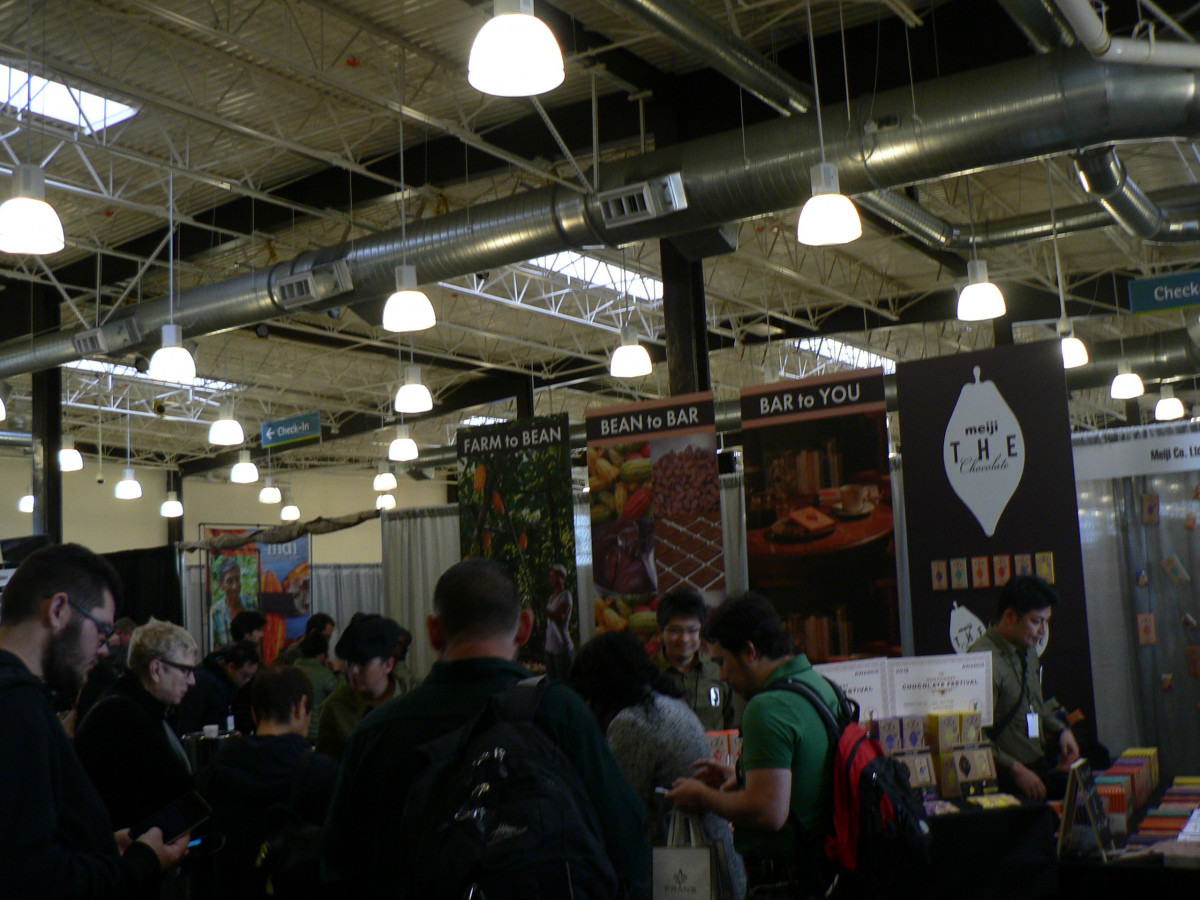
I had reviewed the events in the catalogue, but ended up spending much more time on my initial pre-11:00AM floor crawl than I’d intended.


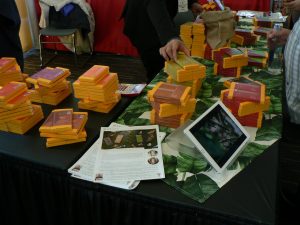


Meiji THE Chocolate was sampling bars and giving them out in return for feedback forms, there was a significant presence of Caribbean and Atlantic Island sourced chocolates, including Cuban and Costa-Rican examples. I think I found the hopped chocolate Dylan had been talking about last year. There were both Brazil and Peru focused bean-to-bar super tables, Thai, Taiwanese, and Dominican Republican grower/&producers and some returning favorites.
This time, I stuck through Grimm Brothers Farms’ hot sauce tasting and picked up a couple bottles, but not their 40$ eye-dropper superhot hot sauce. The honey producer from this years Tea Festival was here, as well. Standouts for me were the chocolates featured at the sake tasting event (particularly the Baiani and Mestico), the Thai chocolate that underwent a unique fermentation process, the Taiwanese and Dominican grown and produced chocolates, and the things I got to try from the Southwestern US producers, Monsoon Chocolates.
And Grimm Bros.


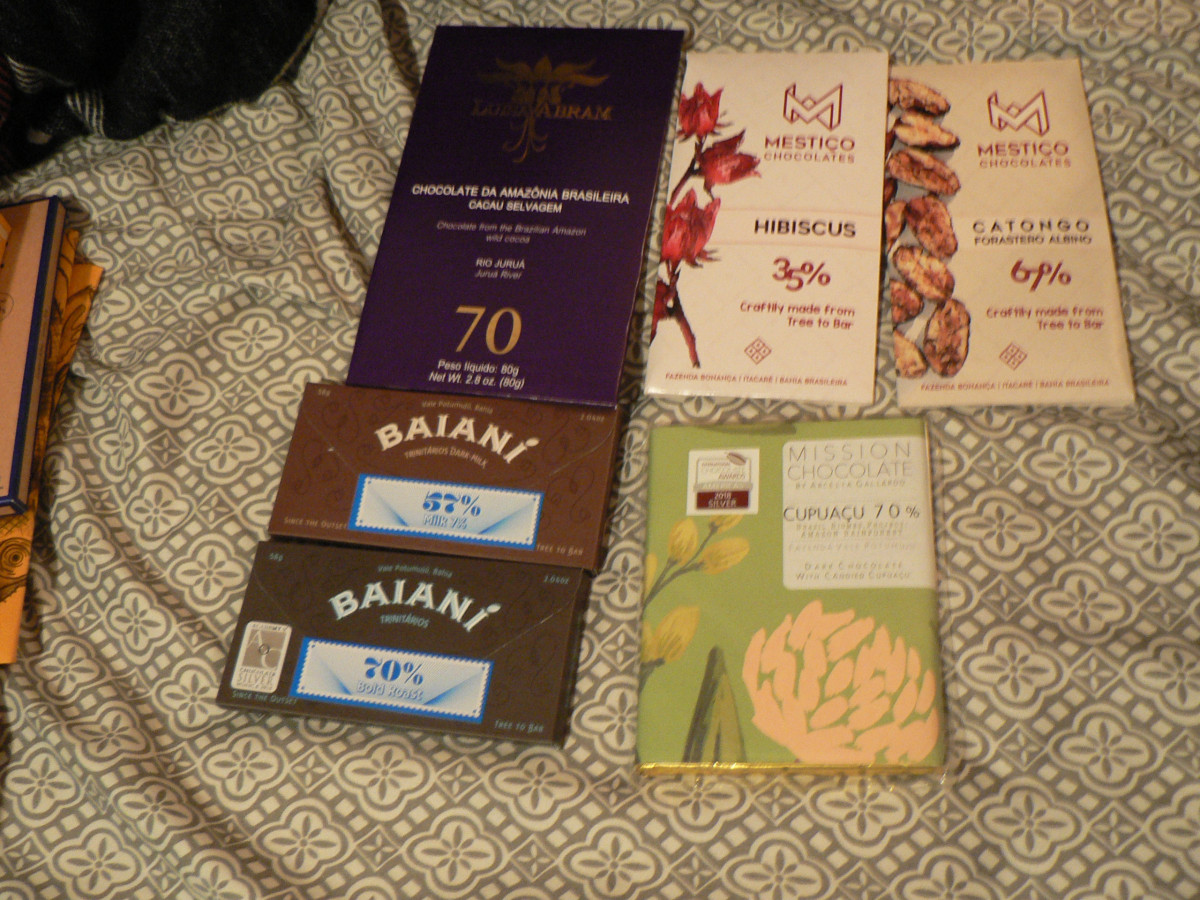

Much like last time, I went to three events. The first one was a returning talk on herbal aphrodisiacs that partially detailed the herbs and fruits other therapeutic uses, but mostly rested on vague, new-agey descriptions that chased me and several other people off from the room. I went then into the concurrent event wherein the people behind Baiani chocolate detailed their extremely hands off, aging only approach, microbatches, and Brazilian chocolate producers uphill battle with climate, geography and producing quality cacao and chocolate.
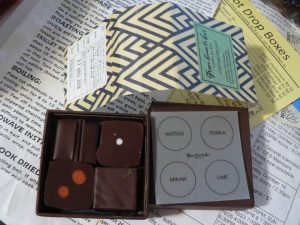
After this was the sake pairing, which was a very informative look at and discussion of food and drink pairings in general, a critique of the use of wine in some pairings and a good discussion of acidity. After which, I immediately had to track down the Brazilian bean-to-bar table and Goodnow Farms. And, in talking to others present, we all kind of agreed that presenter Jose Lopez Ganem could carry a documentary tv show.