Pixabay
Free for Commercial use
/No Attribution required
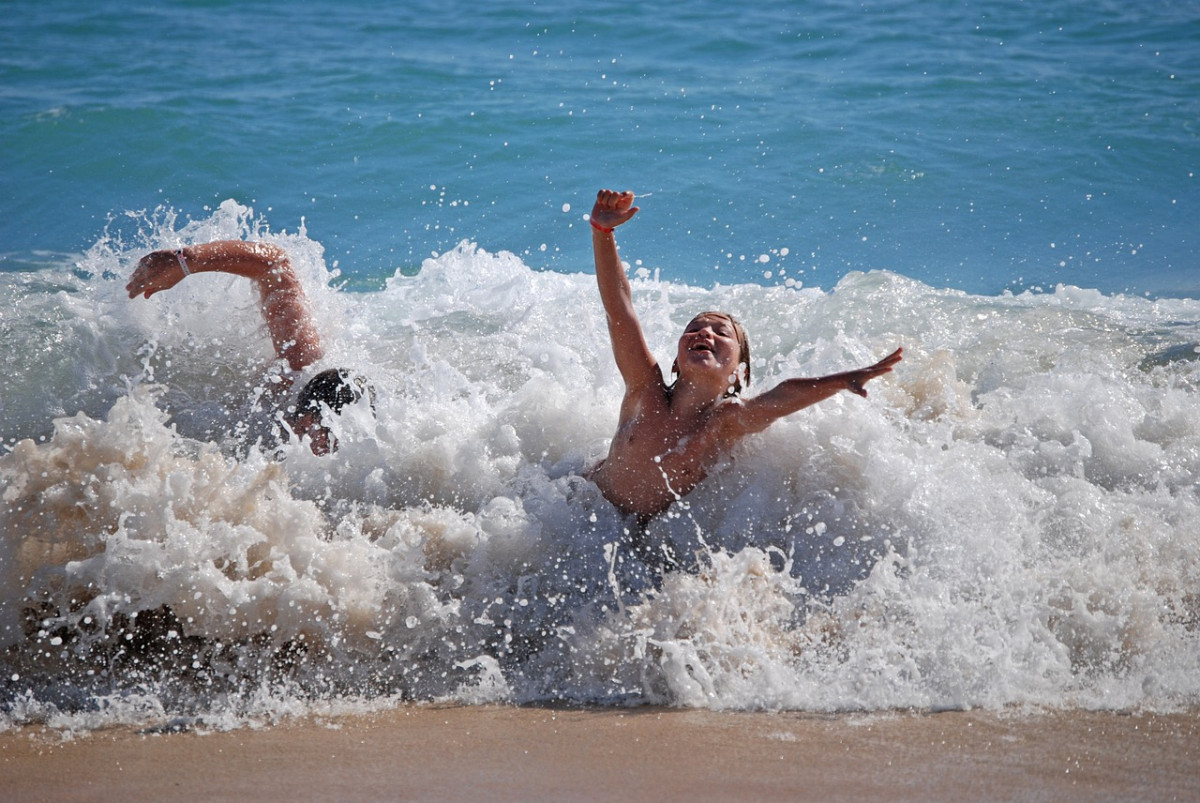
You’re swimming at the beach on a warm day when suddenly your throat starts to tickle something fierce. Even Internally screaming at yourself not to, your only human. Your lips are blasted apart by the phlegmy blast that is your cough and in rushes salty death…
I can’t imagine anyone enjoys a surprise mouthful of salty water, and it turns out that plants actually react to salt just how we humans do to pain, sending the equivalent of neural signals spreading through their entire body over the course of about 2 minutes. It even uses the same chemical(calcium).(Campbell 2014)
“In humans, calcium is also used to signal from one neuron to another when we experience stress, such as pain. When you get salt in a wound, the signals your brain receives also have a calcium wave element to them.”(Campbell 2014)
Despite this, plants are being forced to deal with more and more salt every day.
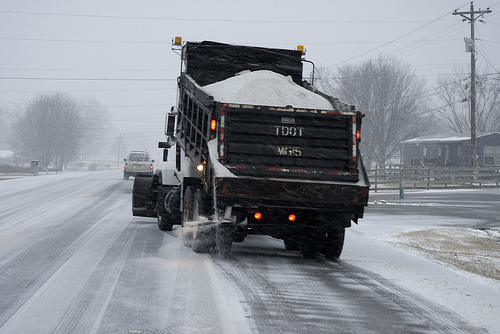
Salting Truck [Flickr] Owner: Thomas Brueckner (unedited)
The worse this salt gets the less plants will grow and the worse food shortage will become for vegetarians and the animals carnivores eat alike.
At least two paths seem to come up from here. If we want to keep eating then need to stop all this salt from flooding in, or we need to help the plants deal with it as it does.
reducing the incoming salt would be much more direct but would also likely face much more resistance than genetic modification. people rely on salted roads and we’ve already seen how hard global warming is to deal with as a race. The genetic modification would be much more teetering on whether we’d be able to get the right result but if achieved would probably piss off a lot less people as well as giving us more resilient crops for a chaotic future.
so far there is science on plant protection increase without external chemicals that bases itself in a plants natural reaction to danger, releasing a cloud of chemicals specialized to help ward of predators or to to more quickly communicate with the rest of the plant than that 2 minute nerve impulse we mentioned above. Research points to neighboring plants having a tendency to eaves drop on these gaseous signals prepping them selves early for the potential fight to come. While these communications are weak enough that they’re hard to fully confirm right now, we could enhance them in time. This would still not be a cure for the salt, but this could certainly enhance that cures effectiveness once found.(McGowan 2013)
So over all
- plants are more animal than they appear,
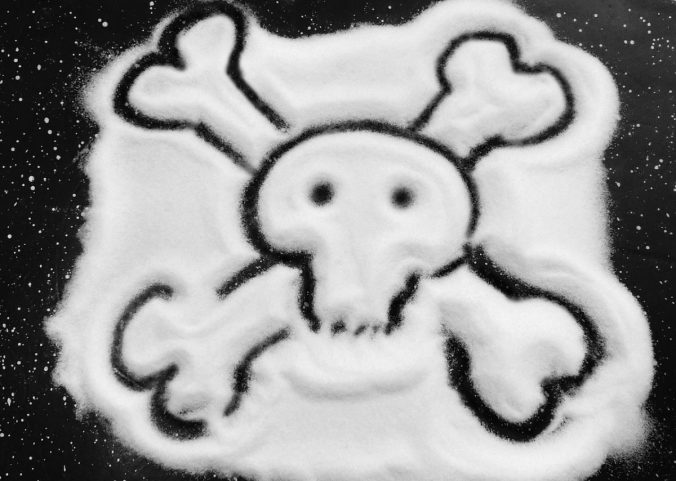
- salt is a silent killer in more ways than high blood pressure and dehydration,
- and plants are just doing their best but they need an agent on the inside since this war isn’t very fair right now.
Bibliography:
Campbell, Malcolm. “Plants Respond to Salt Just like Humans Respond to Pain.” The Conversation, 7 May 2014, 10:20 AM, theconversation.com/plants-respond-to-salt-just-like-humans-respond-to-pain-26364.
McGowan, Kat. “How Plants Secretly Talk to Each Other.” Wired, Conde Nast, 20 Dec. 2013, 9:30 AM, www.wired.com/2013/12/secret-language-of-plants/.
Leave a Reply