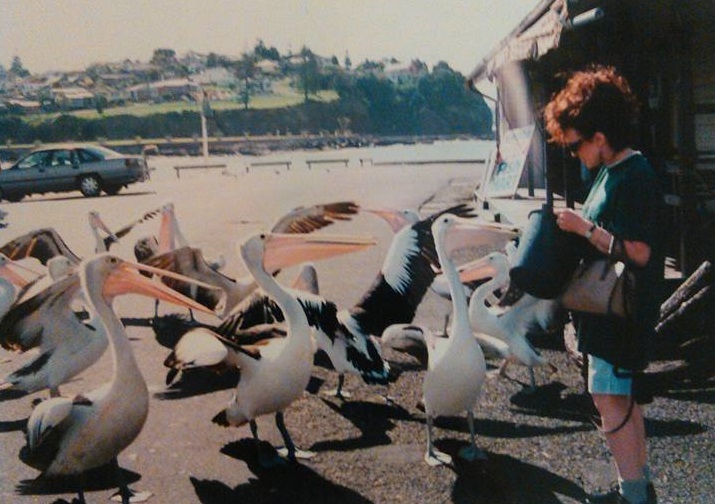
I lost my mother to suicide in December. Needless to say, for the past 7 months I have been wrestling with work and the stages of grieving. Moving through feelings of powerlessness and anger, I often wondered when it was appropriate to talk about this isolating experience to contextualize the fluctuating quality of my work and participation to my bosses and faculty. It turns out boundaries are blurred more often than we think and you can’t entirely leave yourself at the door in your professional life.
Climate change presents similar feelings of powerlessness and anger. My initial statement covered the ways in which I wanted to approach collective organizing to fight climate change. I don’t think that’s the wrong way to approach this oncoming catastrophe, but what seems more helpful to me now is to accept it and recognize the emotional challenges in the work and the limits of adapting in order to cultivate strategies rooted in resilience. Humans, like many other organisms on the spectrum of the natural world, are opportunists. Humans have the ability to recognize opportunities to prepare for and acclimate to climate change, or to pretend it’s not happening. But there’s one thing I’ve learned over the course of the last few months: that denial is a strong stage of grief.
I’ve had a pervasive lack of focus from feeling emotionally overwhelmed, or flooded; I’ve often felt trapped in a directionless fog. I miss my mom, I miss my life before she left, and I miss not having to hold the emotional weight of this change. This same lack of focus occurs when I intellectually confront climate change; it feels too big, I’m not a scientist, and I don’t even know where to start. But I, we, have to.