Goat conformation

What to look for in a good dairy goat:

  • Straight line from shoulders to rump.
  • Strong and straight legs.
  • Wider set back hip bones to make kidding easier and also to make space for a big udder.
  • Strong medial ligament- dividing line between the halves of the udder- to support a milk load and to prevent sagging.
  • Good udder attachment- smooth connection without a “pocket” on the front and back sides.
  • Angular body structure- the back half of the goat should be wider than the front to allow for space for kidding and strong internal structure.
  • Wide and straight set pelvis- legs point forward and aren’t bowed in or out at all.

Of course breeding has a lot to do with whether or not you get good goats. Only breeding with goats who fit the criteria and looking at the mothers of the bucks used will help tell if the female kids will have nice udders, hips, etc. Choosing a good dairy goat breed with desired quantities of milk and butterfat levels will also decide how your goat will turn out.

Sheepskin tanning

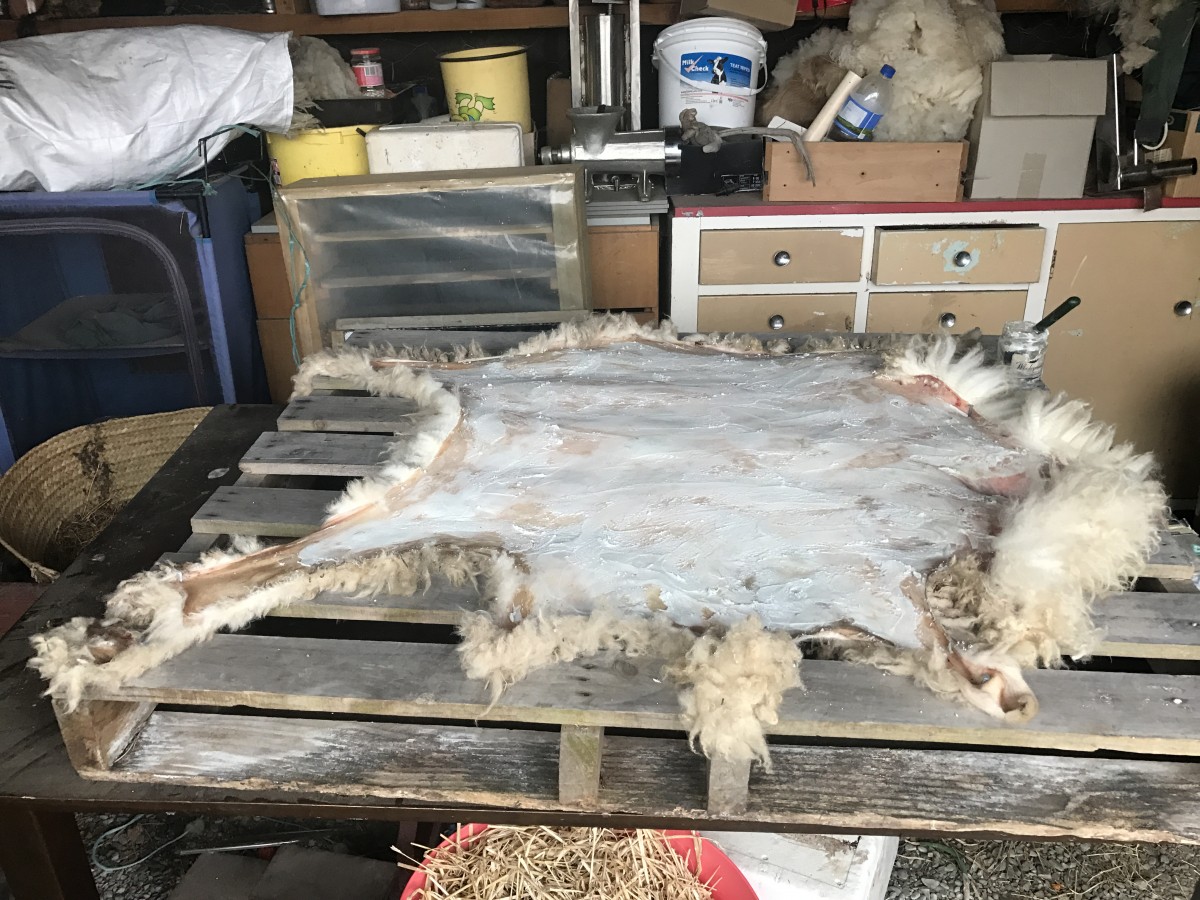
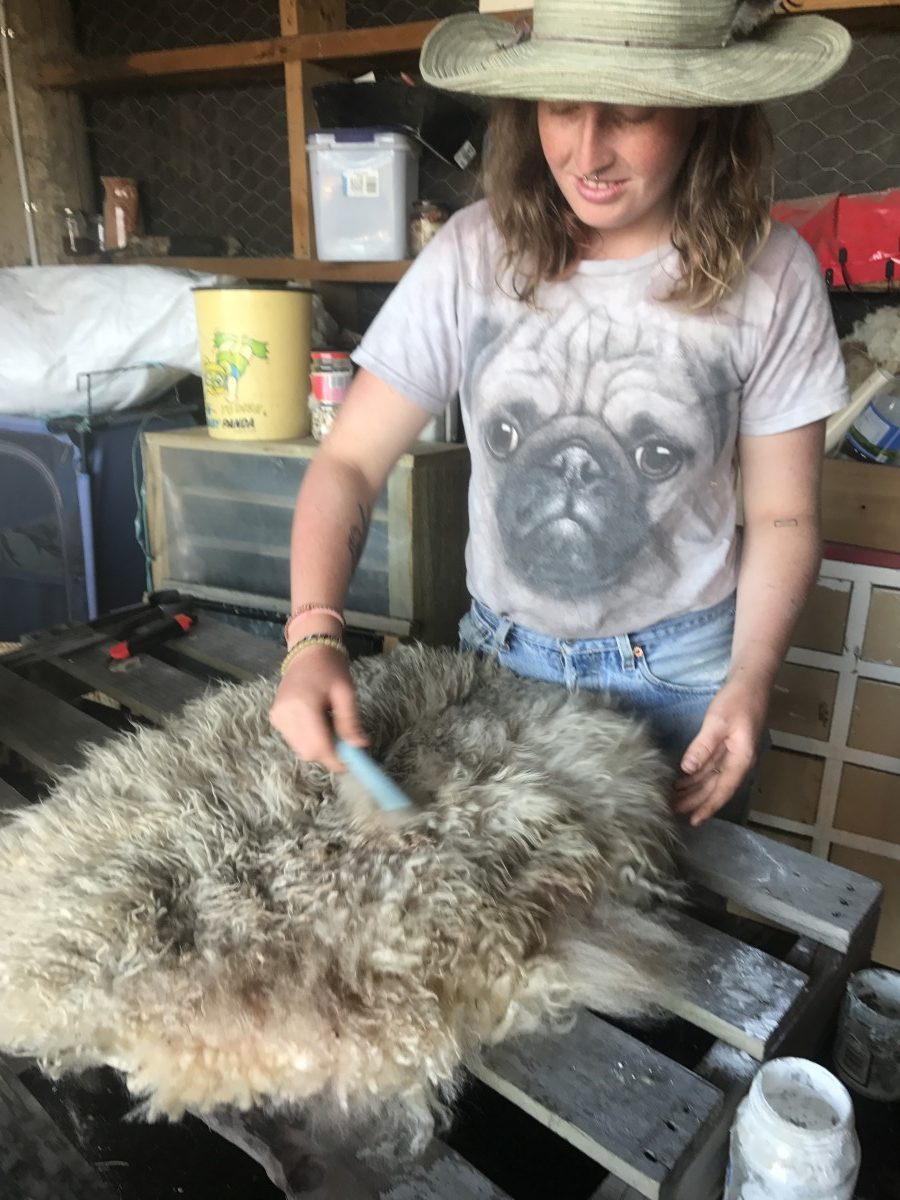
Bella, one of the lambs from last season, got her leg tangled and stuck in a fence overnight and cut off circulation in her leg for too long so she had to be dispatched. She was super healthy otherwise so we butchered her and received a lot of meat and a beautiful skin. I decided instead of burying the skin to tan and save it to bring home. Immediately after coming off of the body, I stretched it and nailed the edges to a pallet. To tan the skin and get rid of any organic matter without any horrible chemicals, you mix kerosene and baking soda into a thick but spreadable paste and lather it and work it into the skin for a number of days. When the paste dries out, you scrape it off, mix new paste and do the same. I started the process about nine days ago and a couple of days ago decided it was finished. The skin looks very dry and white now but is still soft and bendable. There are no capillaries showing anymore and all sign  of blood and muscle tissue is gone. I cut out an oval shape of the cleanest wool on the hide and (in order to get it through customs) am now brushing it out and cleaning it up more to make it look professionally done. I think it turned out really well and it is a great way to honor and remember Bella.

The skin fresh off with kerosene and baking soda spread onto it

The skin fresh off with kerosene and baking soda spread onto it

Brushing out the dirt and grimy bits after I cut the ovular section out

Brushing out the dirt and grimy bits after I cut the ovular section out

Breeding planning

So it’s about time to start breeding the sheep and goats again so we’ve started talking about plans for the animals. Because of the insanely harsh sun in NZ, the generally white East Freesian sheep get super sunburnt on their ears and udders. Lyndal has access to a spotted black East Freesian ram and also an entirely black one. We’ve decided to breed all of the available sheep to the entirely black one to hopefully get some lambs who have black or spotted skin with white wool. This lowers the chance of them being sunburnt and being in pain. People who have sheep for wool don’t usually want black rams or ewes because black wool isn’t worth anything but in our case of using the milk and not the wool it would be super beneficial.  As for the goats, there is a new baby buck who is ready for breeding and the teenagers we have are also ready to breed. The baby buck is being bred to two of the teens because he is small and both of them are also on the small size so he’s being used to produce smaller babies that won’t kill them. Lyndal has chosen a Sable buck to increase milk volumes in the milkers because the sable line is higher in milk production. She doesn’t want to lose all of the butterfat in the milk or she won’t get a ton of yield for the cheese she makes. Toggenburg breeds have higher butterfat so she wants to keep some of the Toggenburg in her line. Worms are a huge problem here, so improving resilience to worms is priority in breeding. Lancelot, the oldest buck we have now, and his son Gosht are both incredibly resilient to worms so breeding with them is a really good idea. Neither of them are being kept long term so it’s a good idea to use them as much as possible to get the worm resilience in before they are dispatched. Ronan, another buck Lyndal has access to, is an award winning animal in the entire country so a few of the goats are being bred with him. The key is breeding female goats with the bucks that have made superb babies to try to get the best goats possible.

Apple pressing!

A couple of days ago, it was super hot so we decided to take a trip to Motunau beach and go for a dip. We were walking back to the car when Lyndal spotted a huge collection of apple trees on the side of a cliff off of the path. We already had a collection of foraged apples in the back of the car, to go press at Sue and Neville’s, some friends of the farm, so we picked a few bucket’s worth and headed to Scargill. Sue and Neville live completely on their own accord. They have 3 windmills that power their water pumps but otherwise live off the grid. They built their own house and everything on their property and they’re certified organic and completely self-sufficient. Neville built his own apple grinder out of a repurposed garbage disposal and was happy to help us use it. He attached it with a ring of accordion folded sheet metal into a larger PVC pipe and attached it at a 45 degree angle onto a block of wood that he could attach to the bench of his table. He also forged a spout and had a special blade cut just for the garbage disposal that he designed himself.

We spent about an hour and a half cutting the apples, grinding them, and pressing them in a hand press. Neville’s ingenuity and creativity was stunning. He lives in a world where you can’t just go to a store and buy some machine you need, so it’s necessary to learn how to design and make things yourself.

Lesson learned: don’t mess with nature

A while back, we decided to put a hen on some eggs to try to hatch chicks. This involves isolating the hen, putting her in a solitary cage, feeding her everyday, and making sure she gets up and doesn’t poo on the eggs. After three weeks, Henrietta hatched two eggs and then abandoned the rest that she hadn’t eaten. Two days ago, we were sitting at the table eating lunch outside and Dani noticed a hen that wasn’t Henrietta trotting around in the front lawn with something behind her. Sure enough, it was the renegade hen that doesn’t like to stay in the pen with 8 chicks behind her. She had been sitting on them somewhere in the bushes for 3 weeks, completely unnoticed, and very much so succeeded. We tried making a hen sit on eggs and mostly failed, meanwhile a hen did it all by herself and hatched 8 beautifully healthy little chicks. We had a good laugh about this one.

1300 miles in 8 days

I got back from my trip on the 23rd and I haven’t been able to upload anything because of technical difficulties with my computer, but it’s finally working and i’ve been able to upload some pictures from my trip!

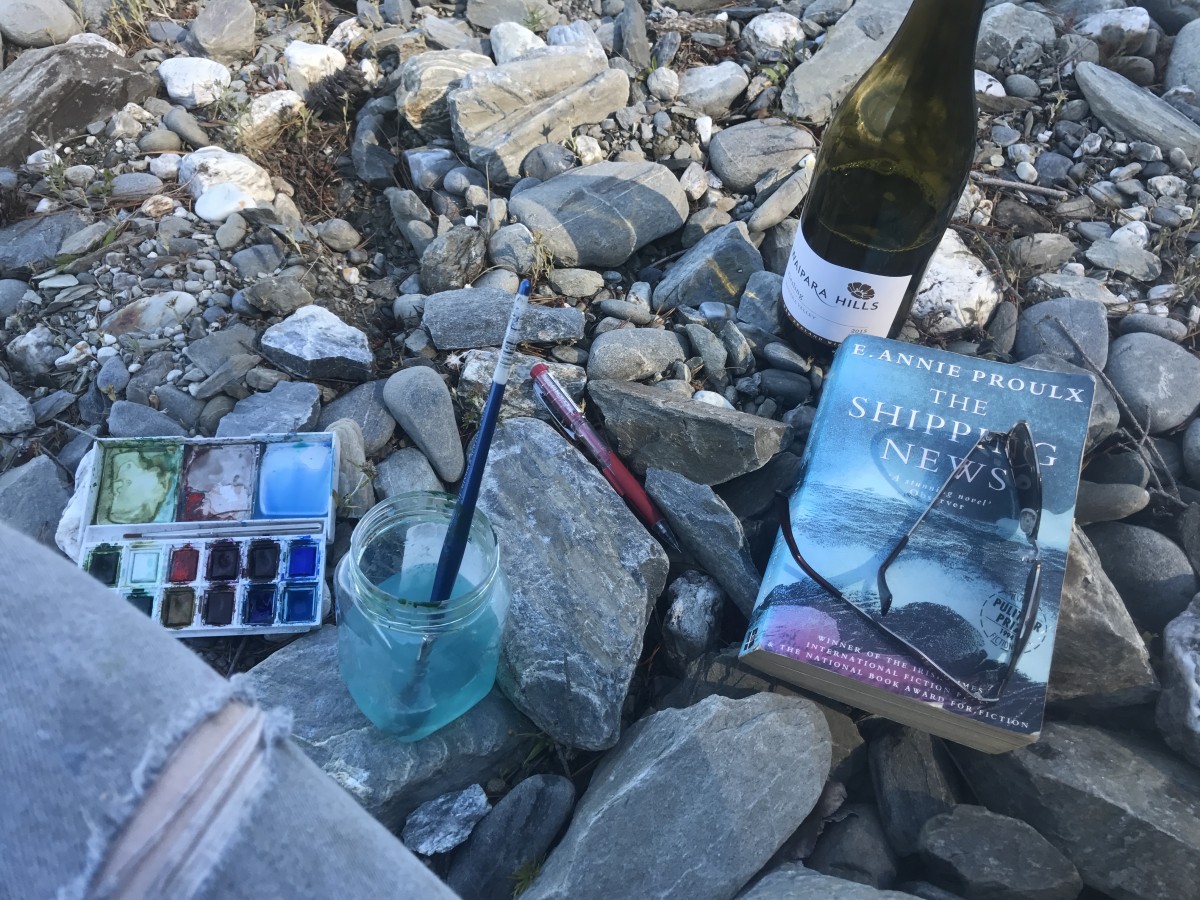
The photos are out of order and honestly it’s too difficult (and time consuming) to rearrange them, so I’ve put captions on most of them to try to help identify where they were. I went along the inland scenic route to a few places, ending up in Te Anau and then along down the southern scenic route by the Catlins and then back up state highway one to Christchurch and then back up to Amberley. I went to three museums along the way and went on 6 different hikes and met a handful of really cool people. Two Canadians I met at Monkey Island are planning on visiting me at the farm here before I leave which makes me super happy.  I saw tons of wildlife, including penguins, seals, sea lions, a bunch of different birds, and dolphins. I read two books, The Shipping News and a collection of Oscar Wilde stories along the way and had the absolute time of my life. Since I was traveling alone, I did get a bit lonely but this trip definitely gave me time to take a break from the farm work and focus on myself and my thoughts and showed me so much about the island itself and about the people who inhabit it. I ended up coming home a tad early because a pig was being butchered on the farm and I wanted to participate in that (photos to follow) and gas is super expensive here and I ran out of food and money to pay for food and gas. The extent of the landscape here is just mind boggling and everywhere you go there is another gorgeous scene (and a bunch of tourists taking photos with their iPads and drones.) I was so lucky to have been lent a car for the trip, because that allowed me to not really have an itinerary and I got to see so much more than I could have without a vehicle. I’m super sad that it’s over but I’m also very grateful for what this island and trip specifically have taught me and all of what I will be bringing back to the states, both knowledge and shell souvenirs.

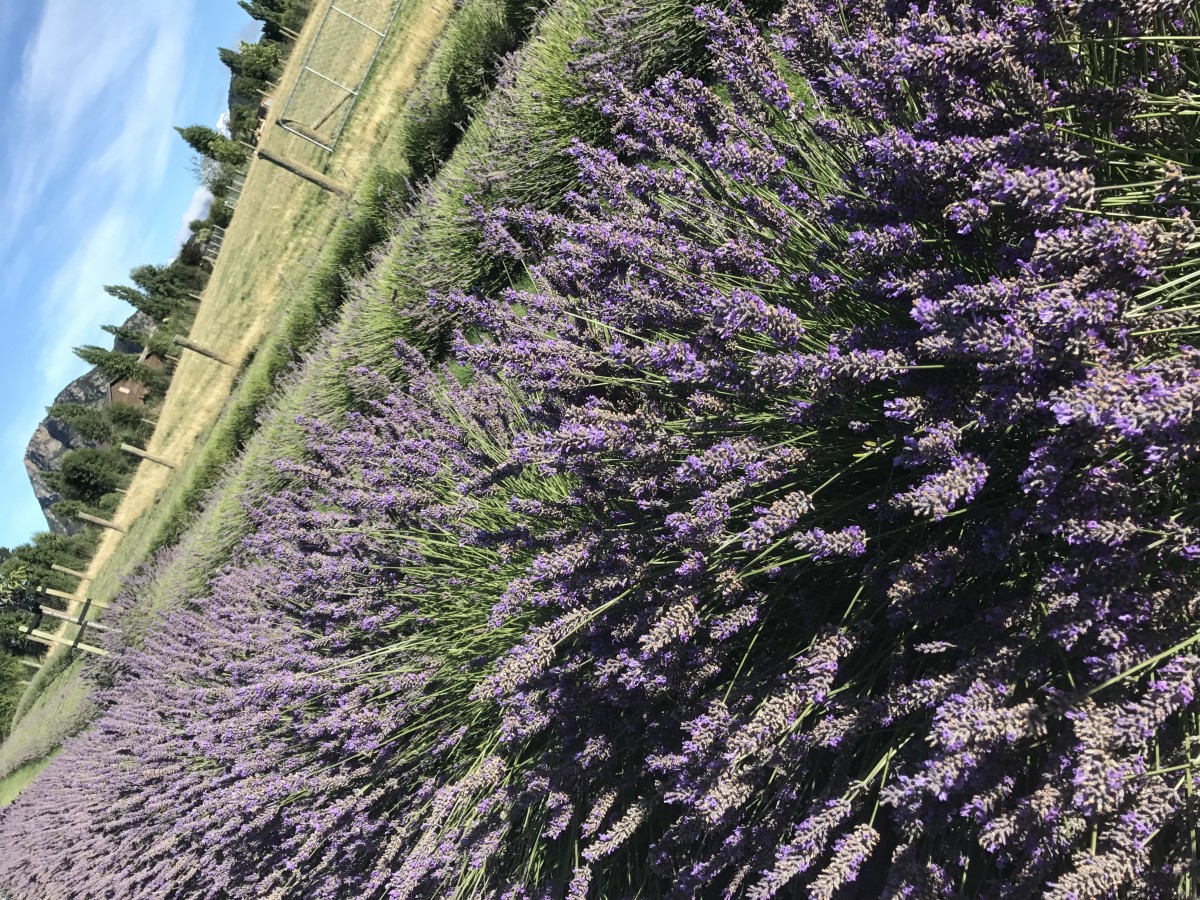
Stopped at a local lavender farm near Wanaka

Stopped at a local lavender farm near Wanaka

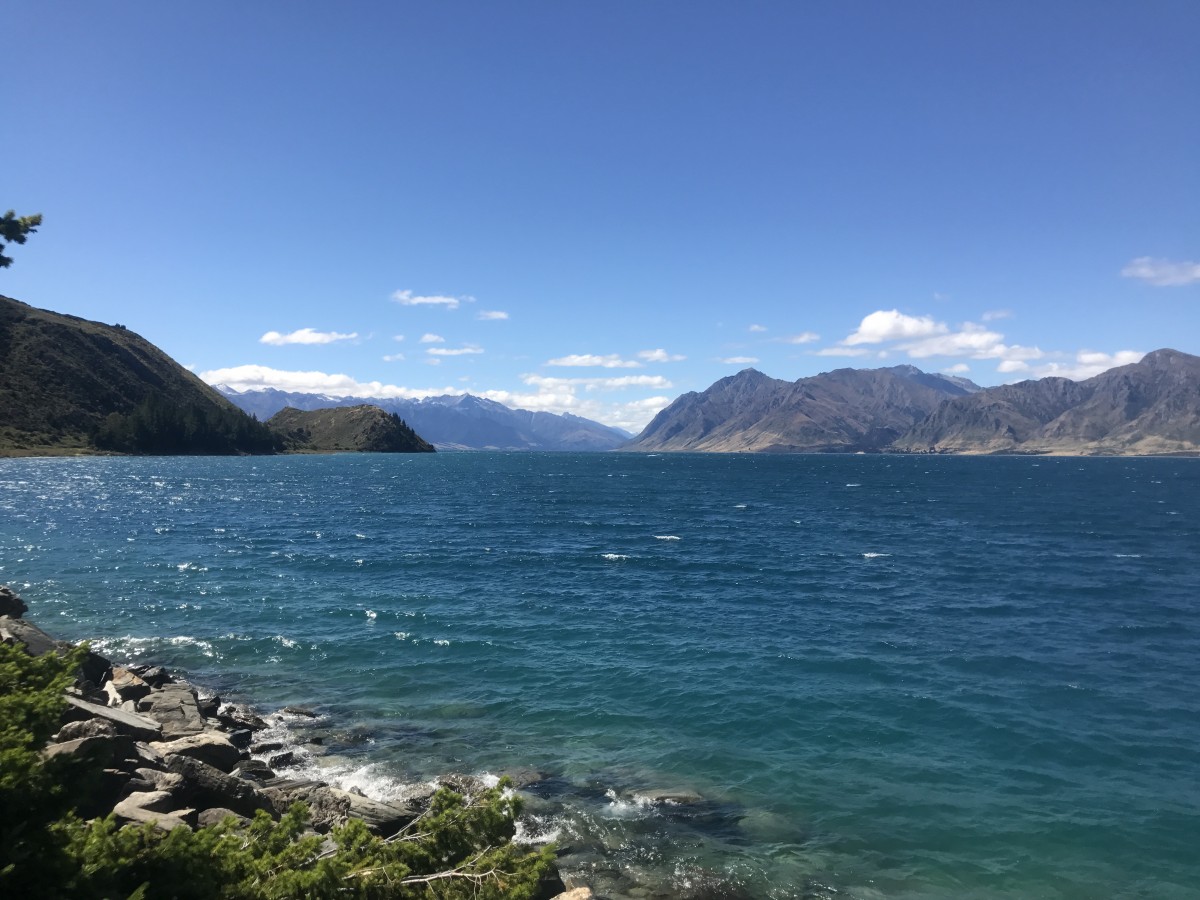
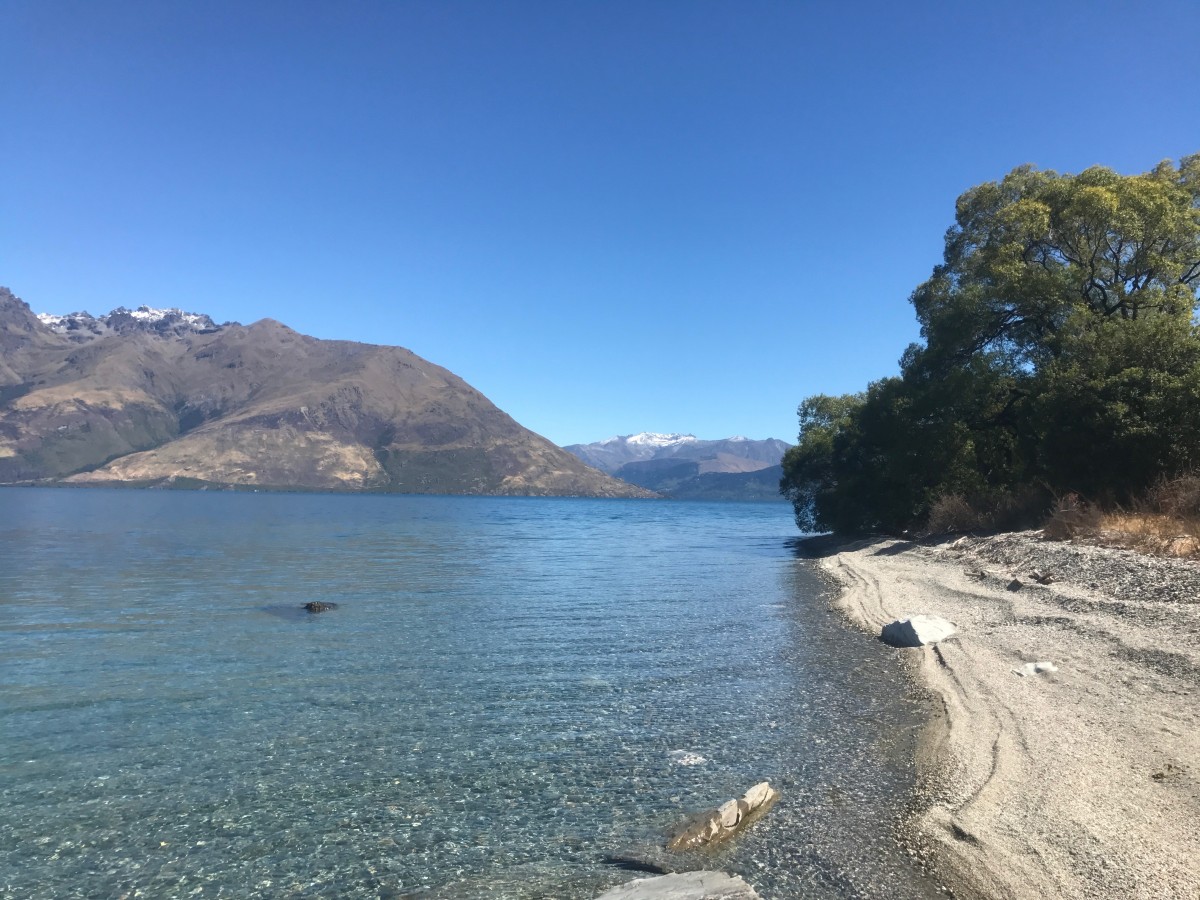
Lake Wanaka

Lake Wanaka

Dinner at lake Wanaka

Dinner at lake Wanaka

Lakeside activities

Lakeside activities

Wanaka

Wanaka

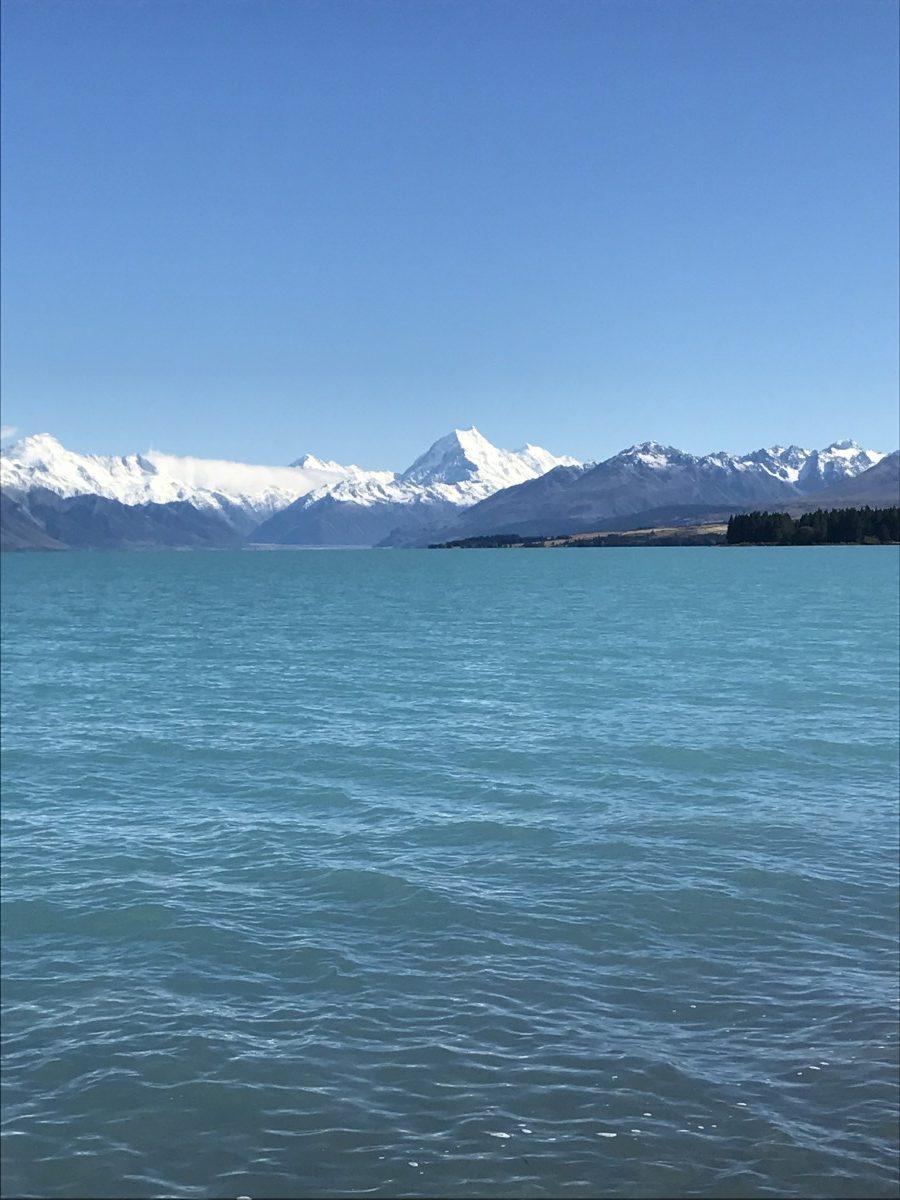
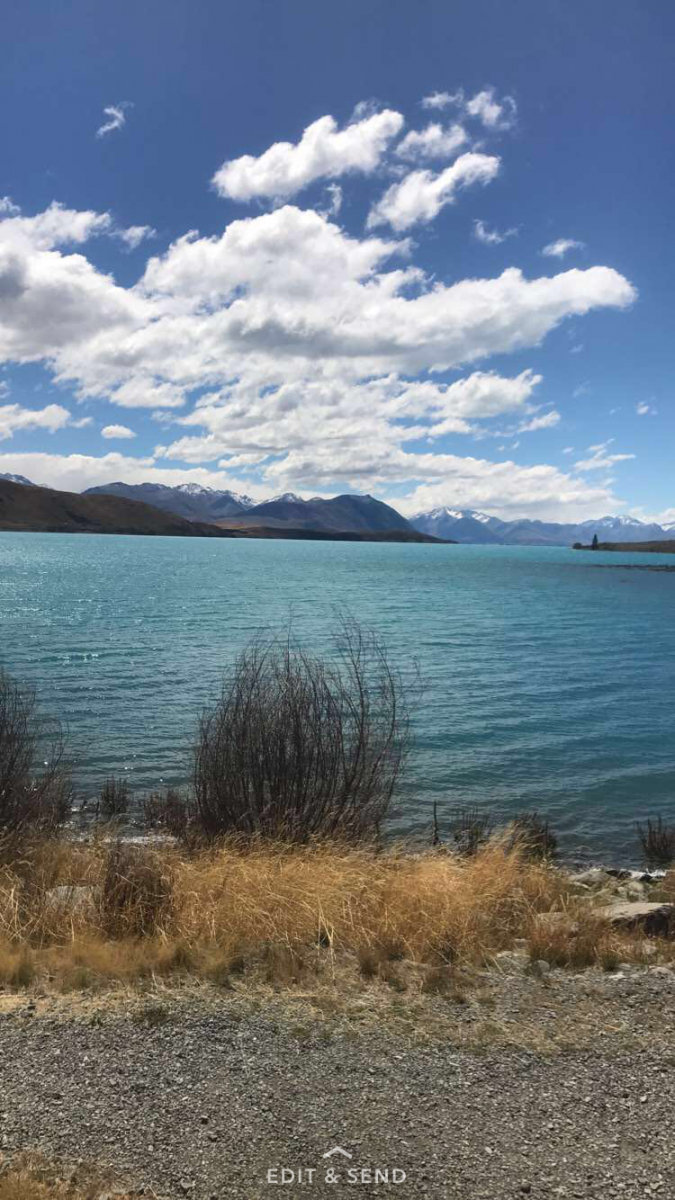
View of Mt. Cook from my campsite at lake Pukaki

View of Mt. Cook from my campsite at lake Pukaki

IMG_1133 F013491D-B886-4BEA-83FD-6E43798409E4

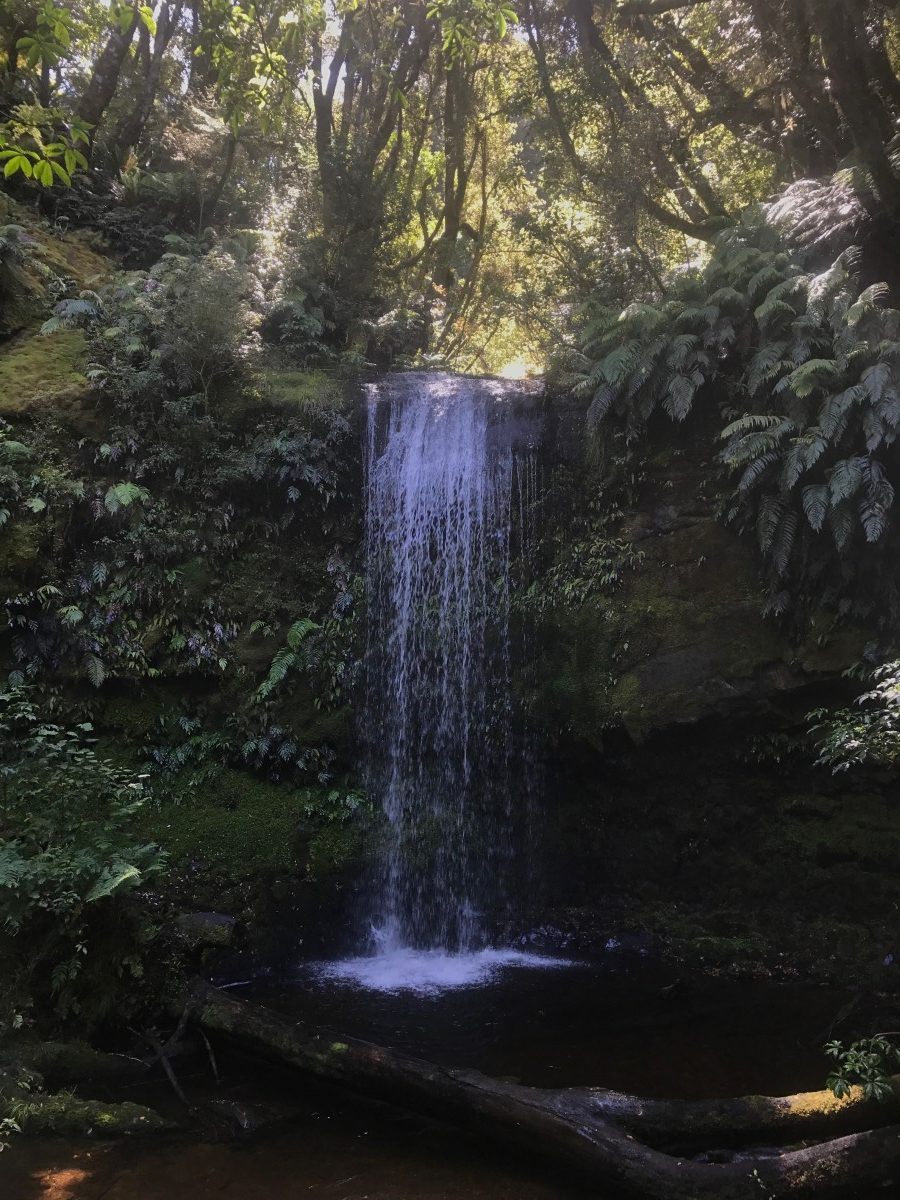
Koropuku falls

Koropuku falls

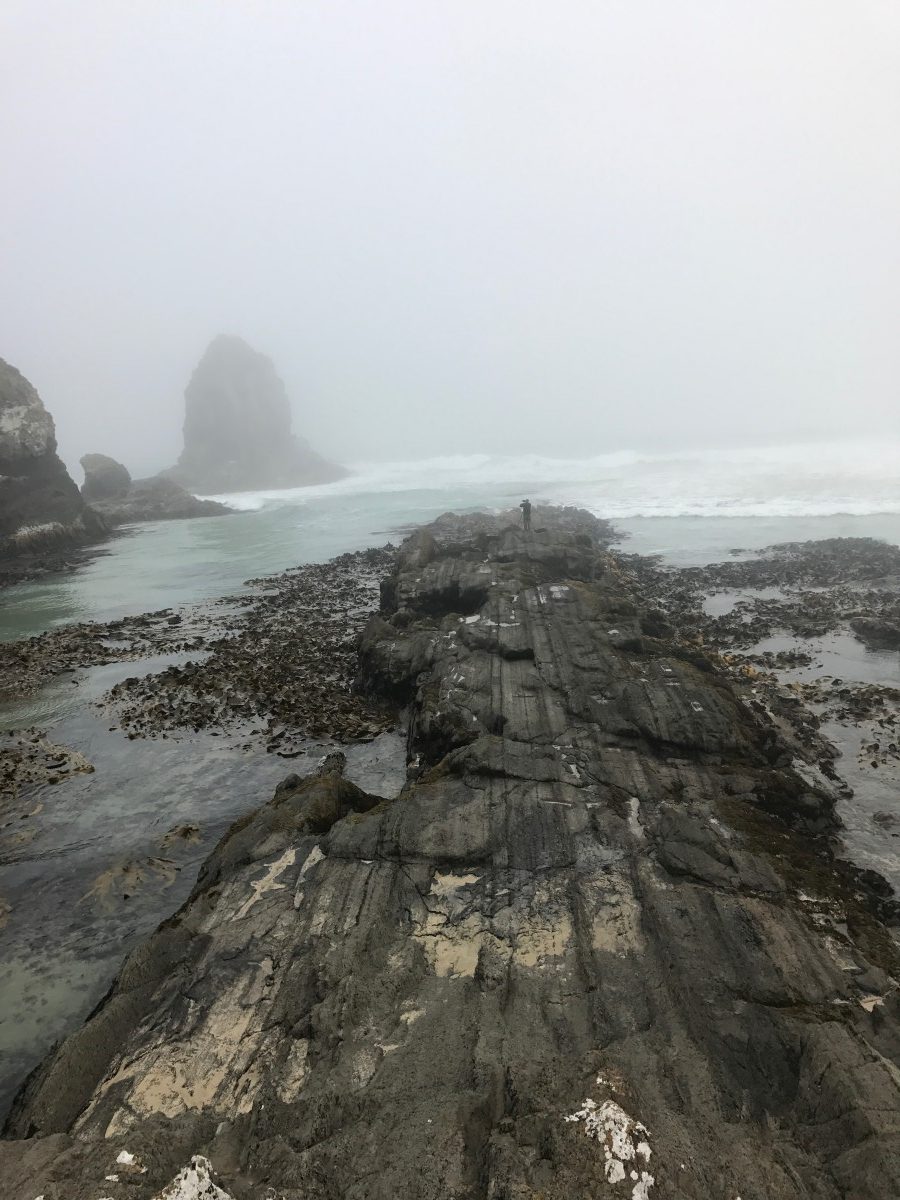
Cannibal bay at dusk

Cannibal bay at dusk

E46D5191-4D0A-480C-A1FE-EBC6D46FA209

Lunch view of The Remarkables

Lunch view of The Remarkables

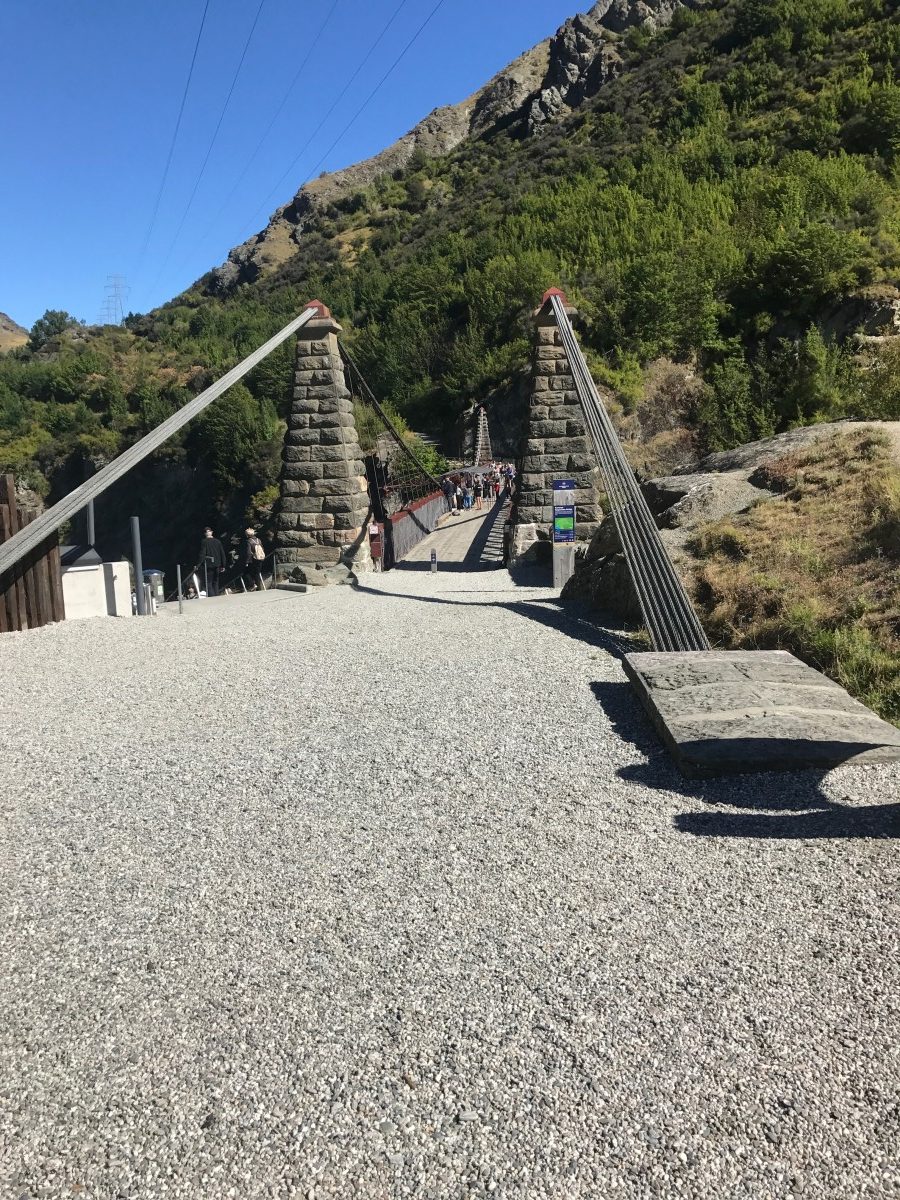
Oldest steel suspension bridge on the south island

Oldest steel suspension bridge on the south island

CED5FEAE-6223-44F5-925C-F64A015EABE3

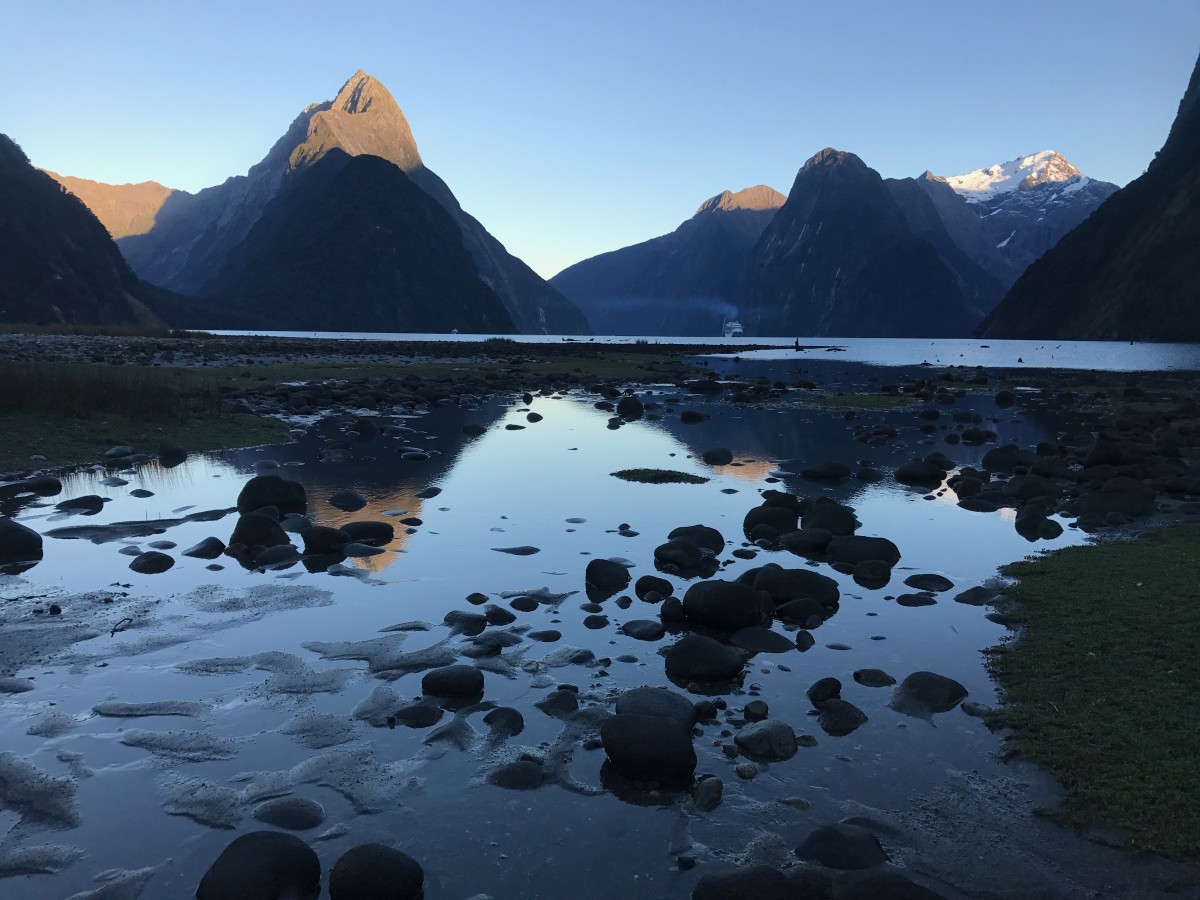
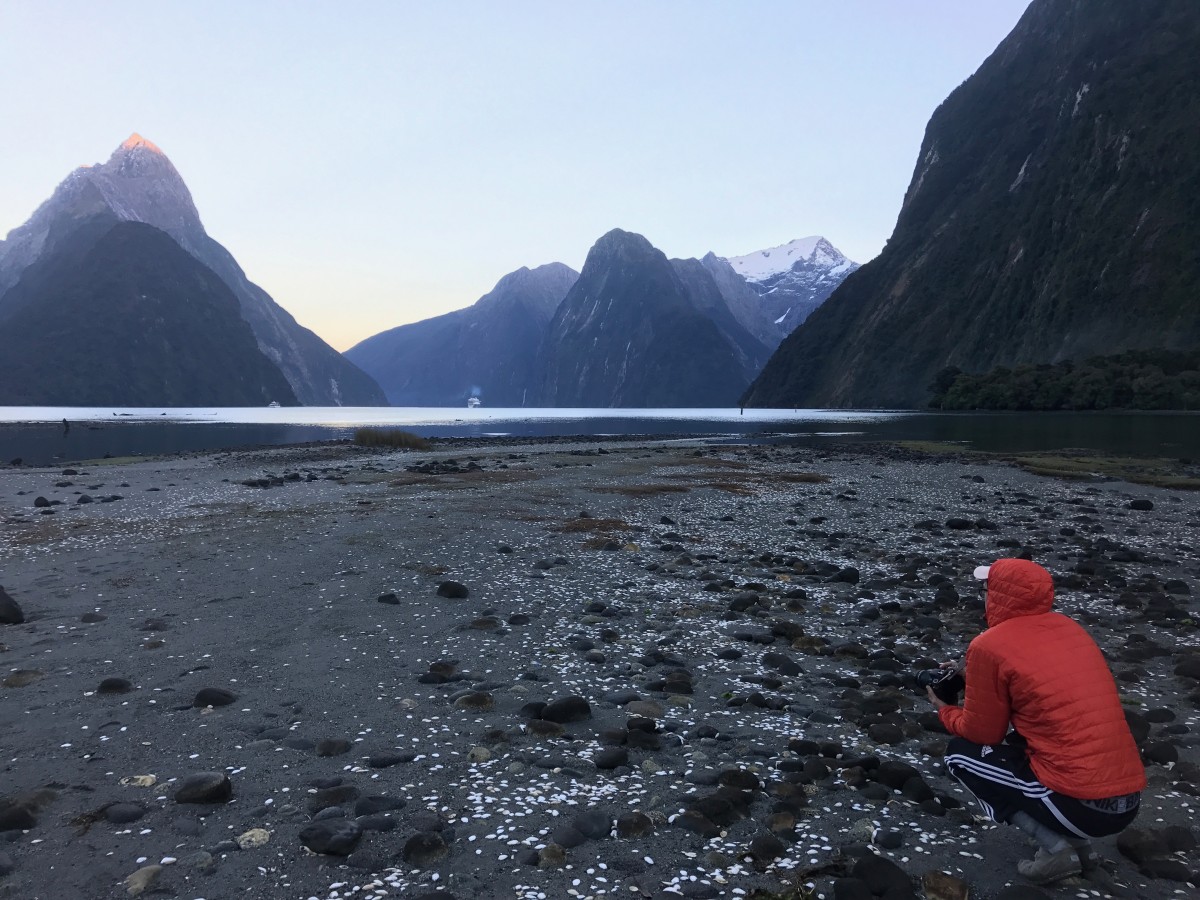
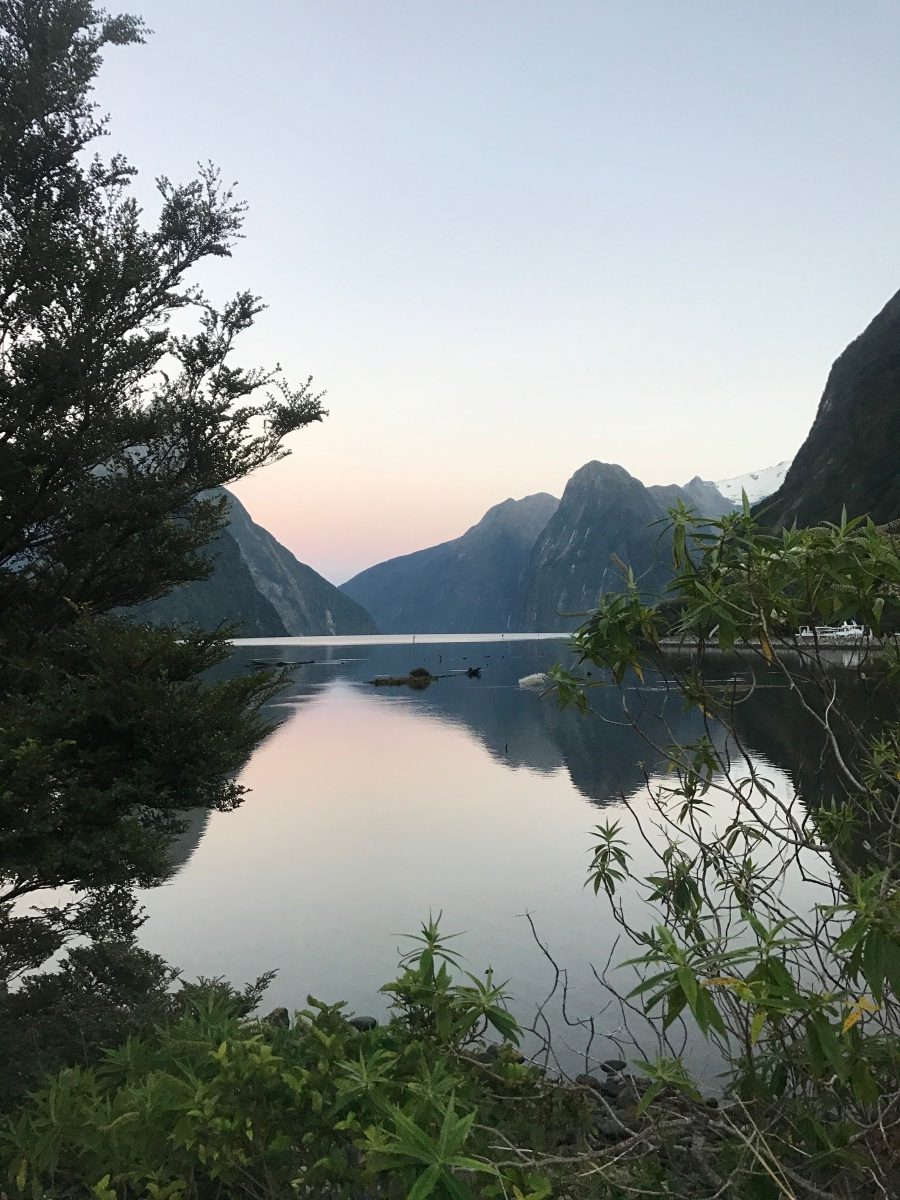
Milford sound at sunrise. The peak in the middle is considered one of the 8th wonders of the world.

Milford sound at sunrise. The peak in the middle is considered one of the 8th wonders of the world.

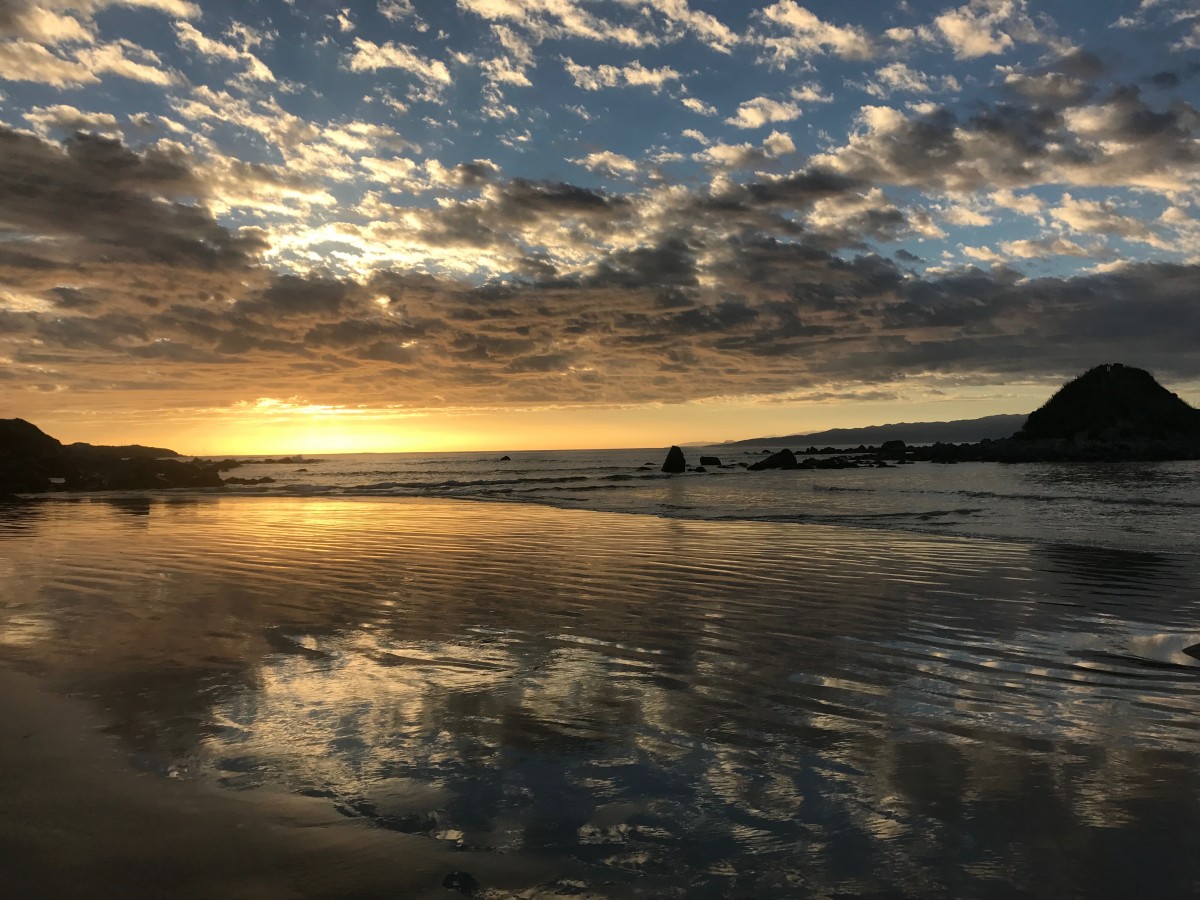
Sunset at Monkey Island

Sunset at Monkey Island

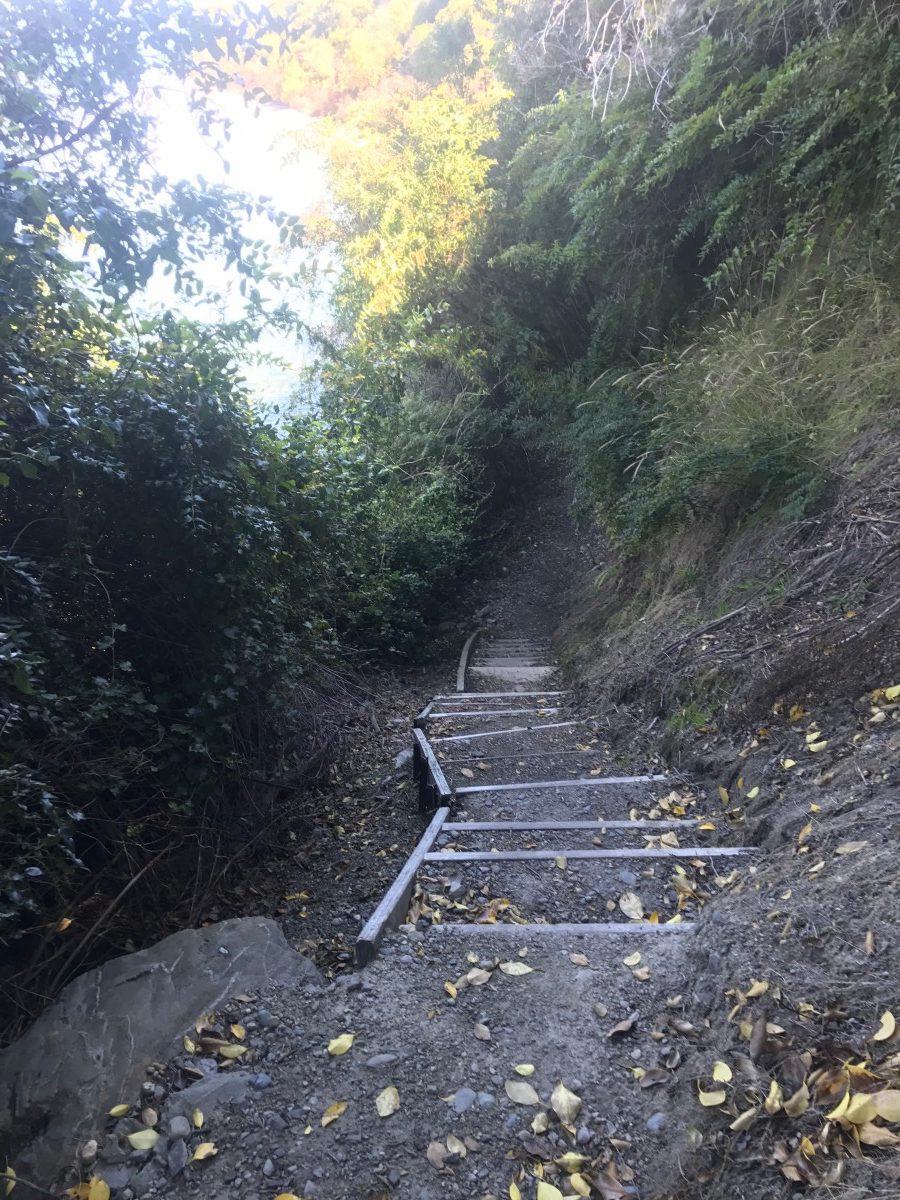
Hobbit trail

Hobbit trail

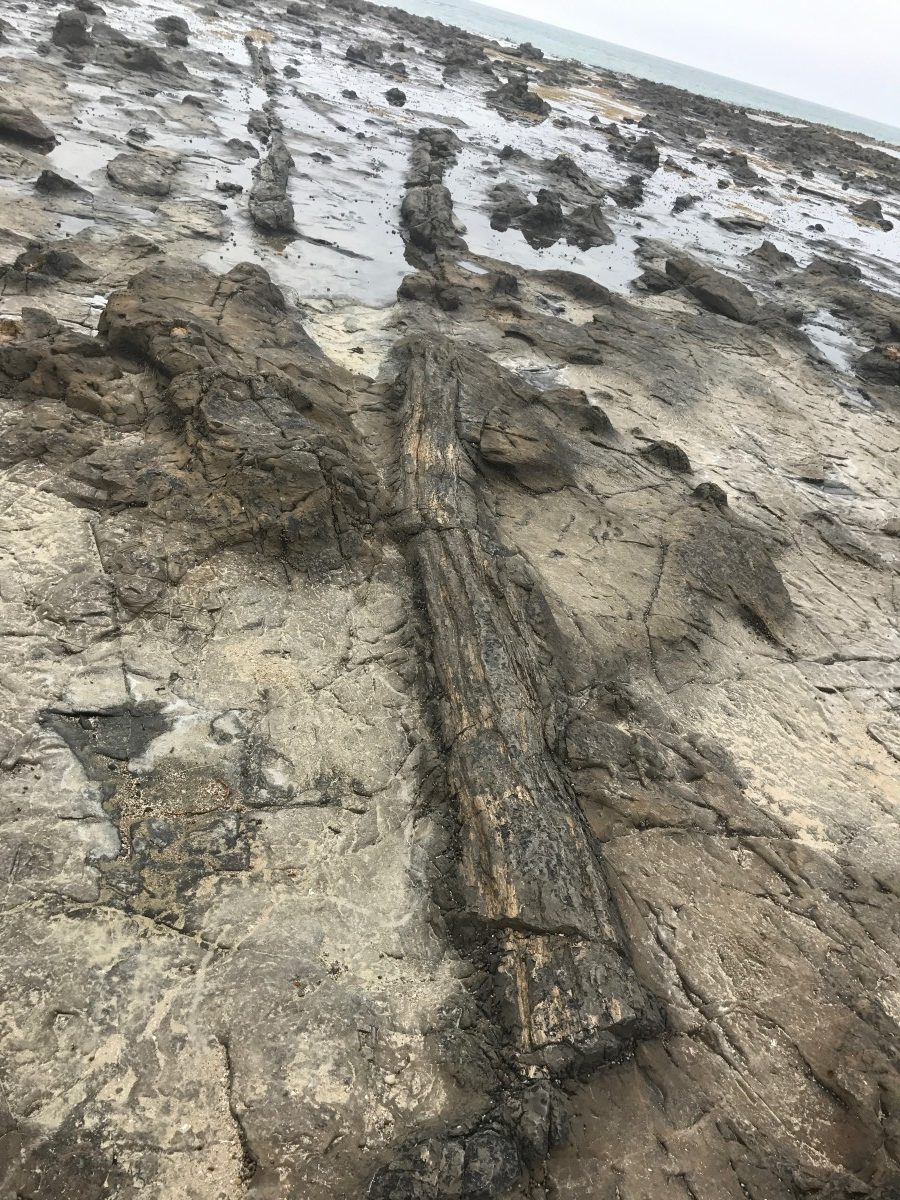
Petrified forest at Curio Bay

Petrified forest at Curio Bay

8254865C-ED10-4ACD-AB94-0589BE4B1DD6

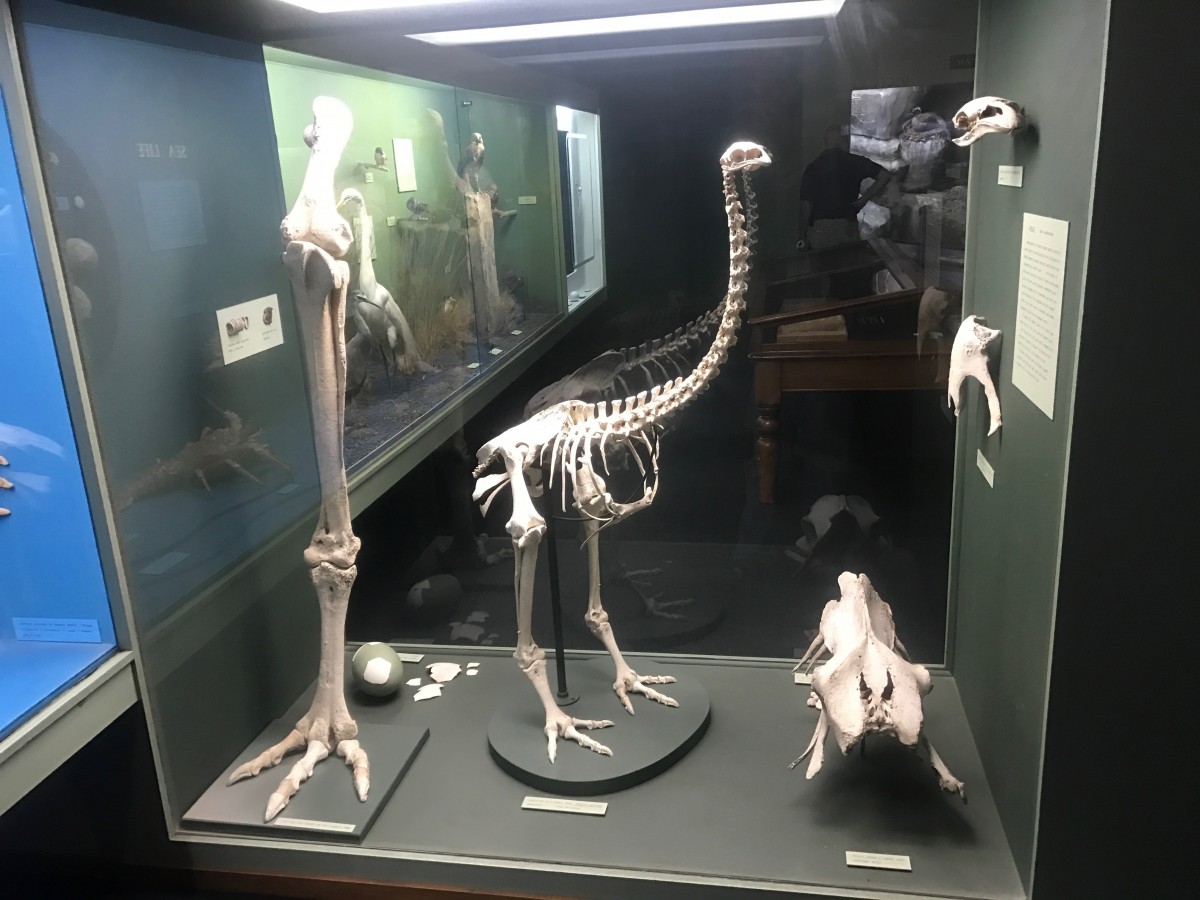
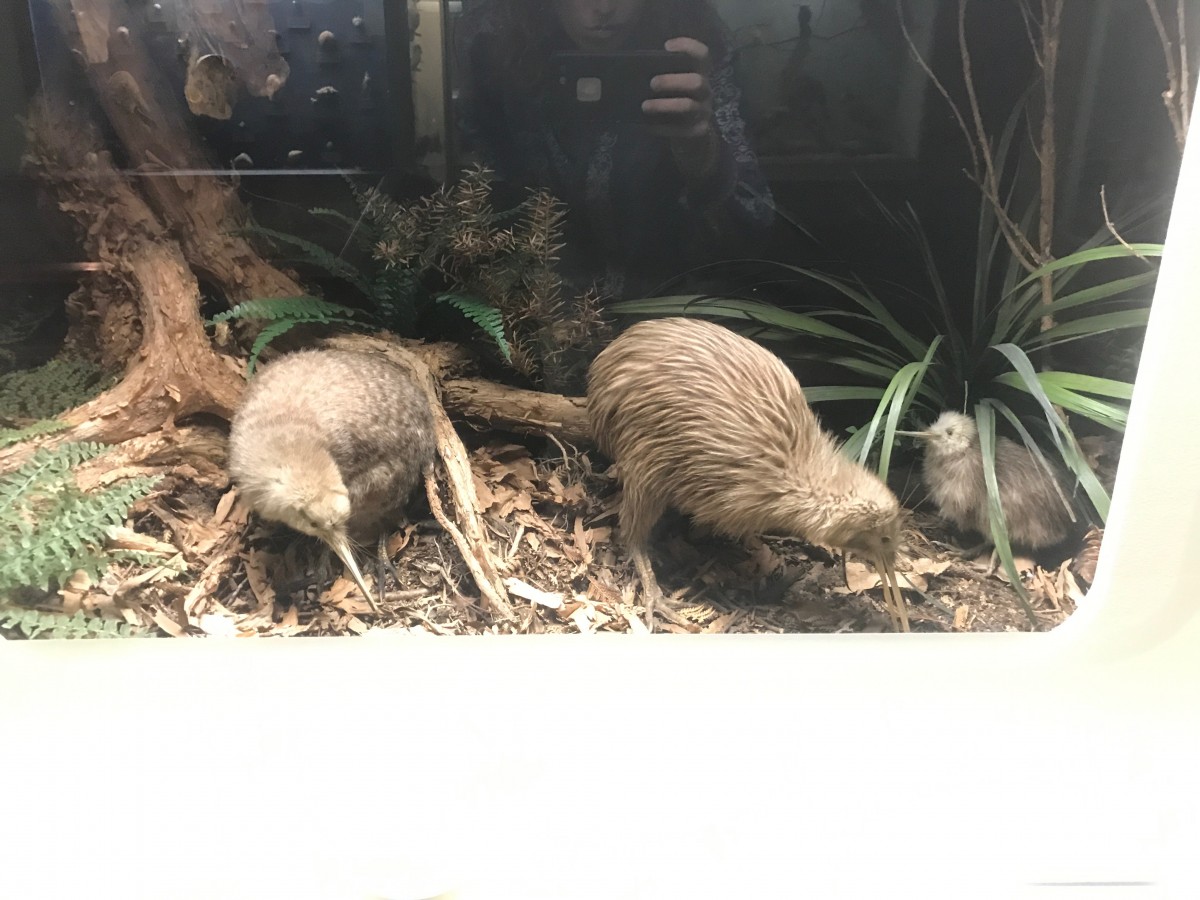
The extinct Moa skeleton at the South Otago museum. The Maori people hunted them to extinction and they used to stand up to 10 ft. tall

The extinct Moa skeleton at the South Otago museum. The Maori people hunted them to extinction and they used to stand up to 10 ft. tall

988E0E09-2D97-4709-B42E-7BAFAE108F12

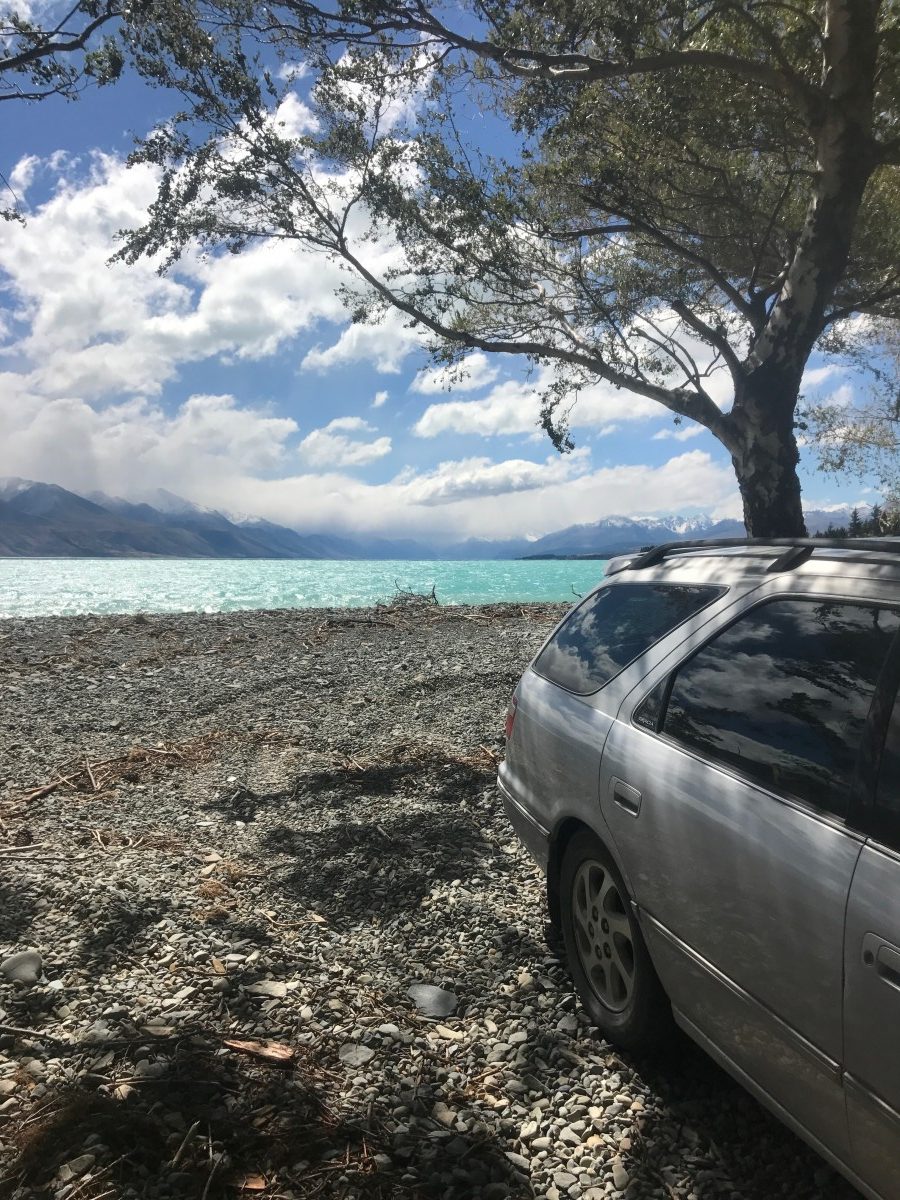
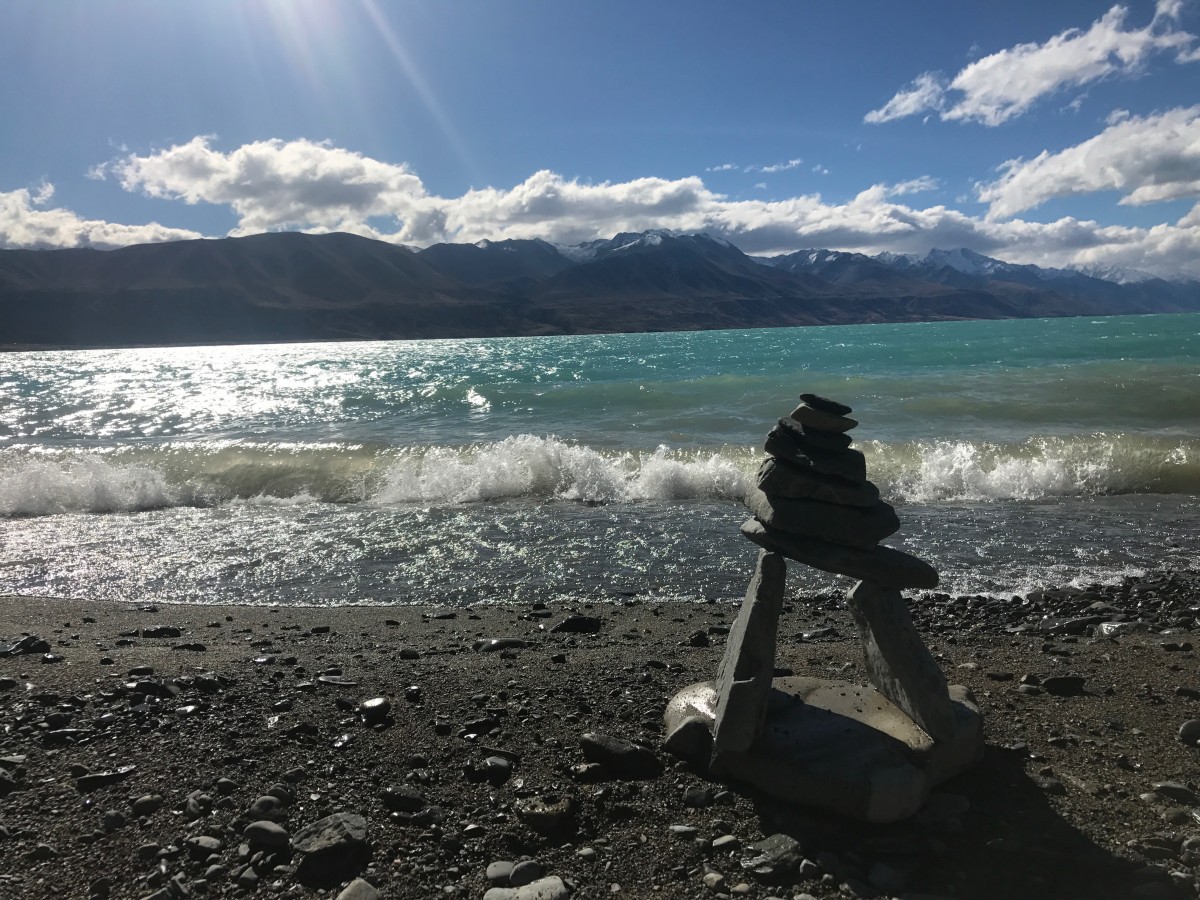
Lakeside camp spot at Lake Pukaki with a view of Mt. Cook

Lakeside camp spot at Lake Pukaki with a view of Mt. Cook

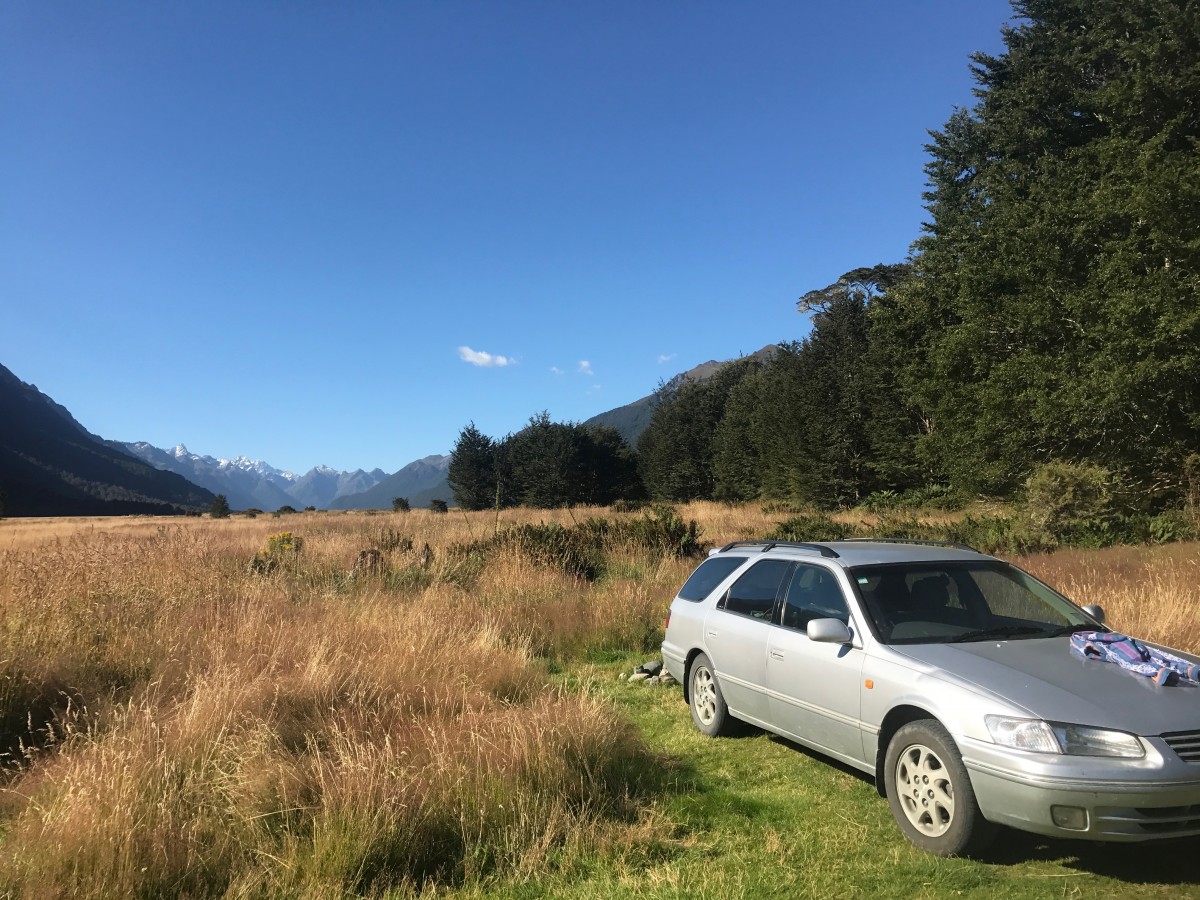
Camping spot about 30 min from Milford sound

Camping spot about 30 min from Milford sound

55BB5003-218E-425B-B61A-354E1BAA2F6E 9A0162EA-4970-46A7-9524-F1B933FD2EC1 8AF65C2B-FC88-4384-840D-C95B9F27962E 6C399A0B-75CA-4167-B25B-57579B8812B4 6B8743E1-11D6-4EA2-A3E4-036FC775F95B

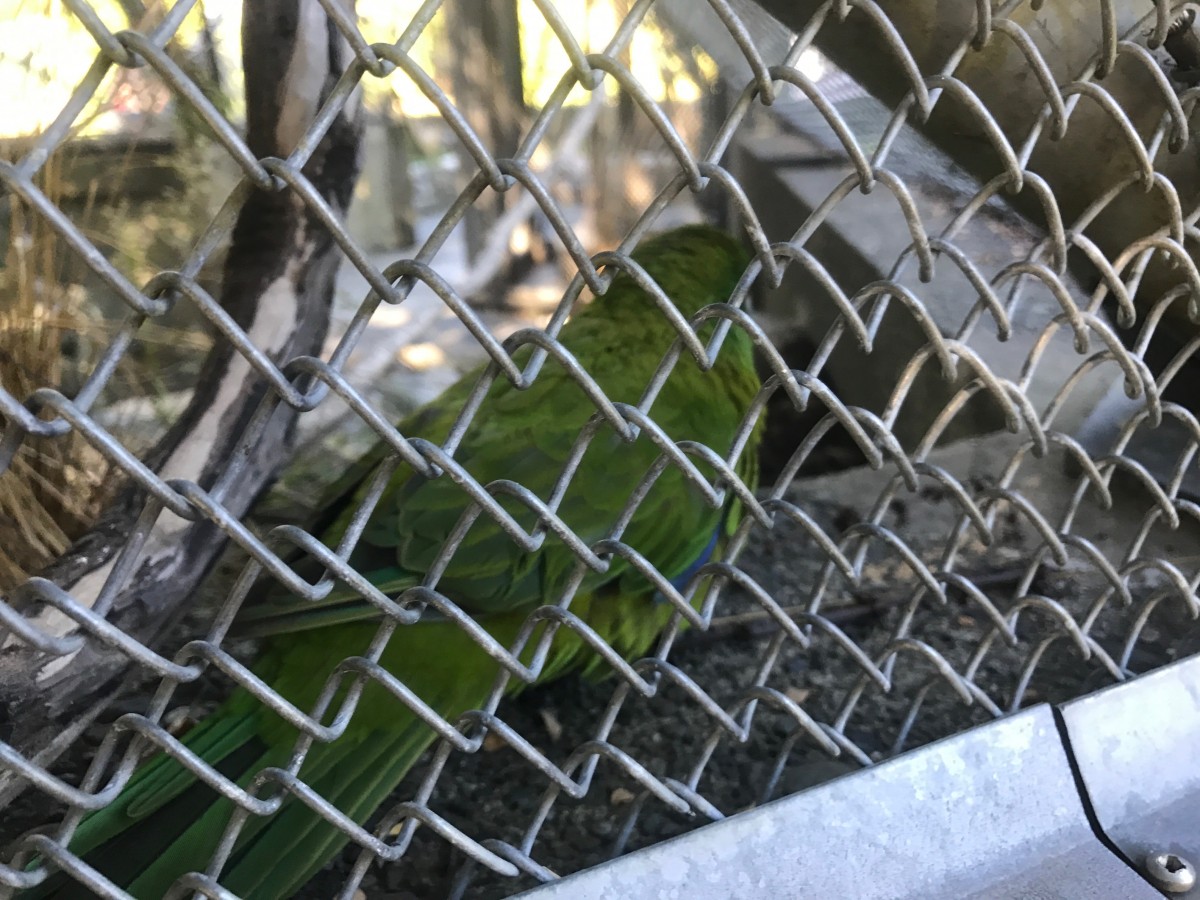
Mountain parakeet at the bird sanctuary

Mountain parakeet at the bird sanctuary

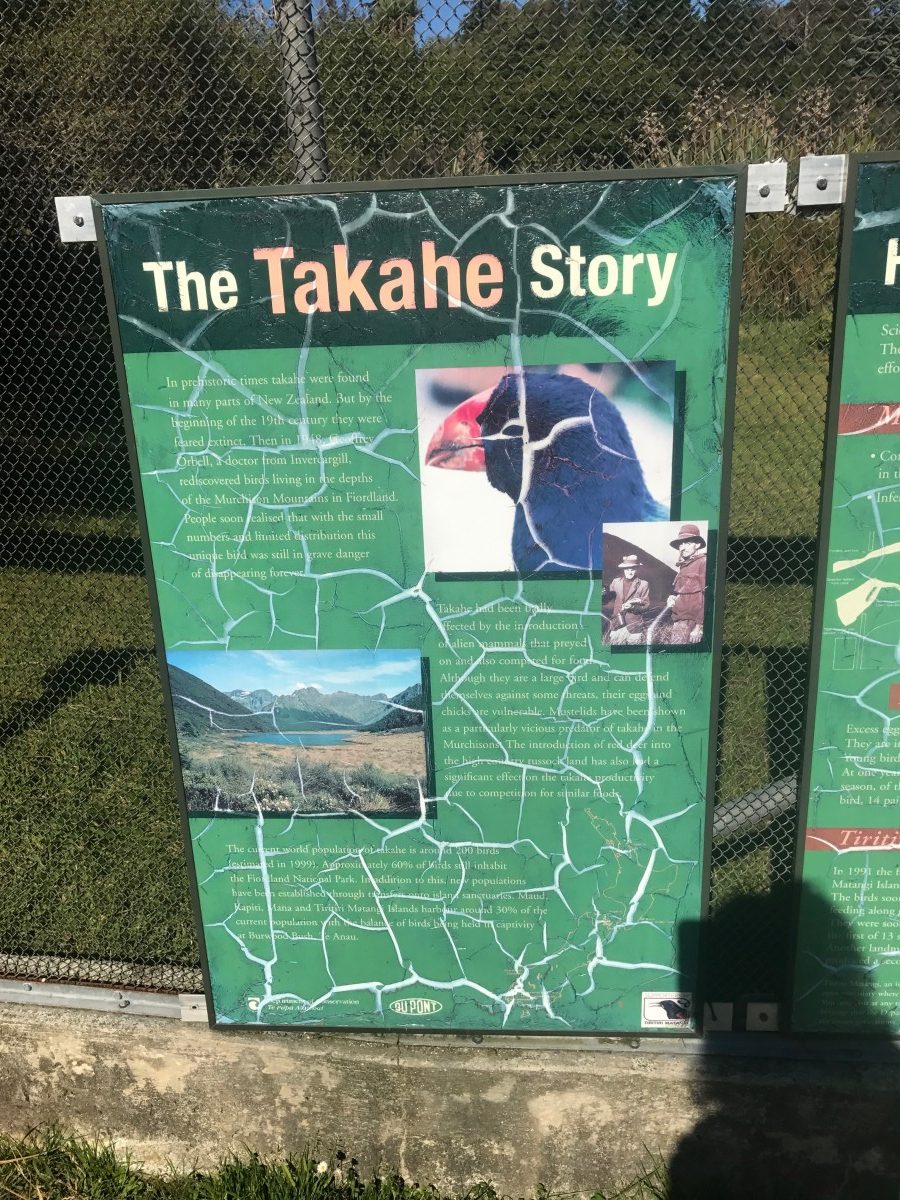
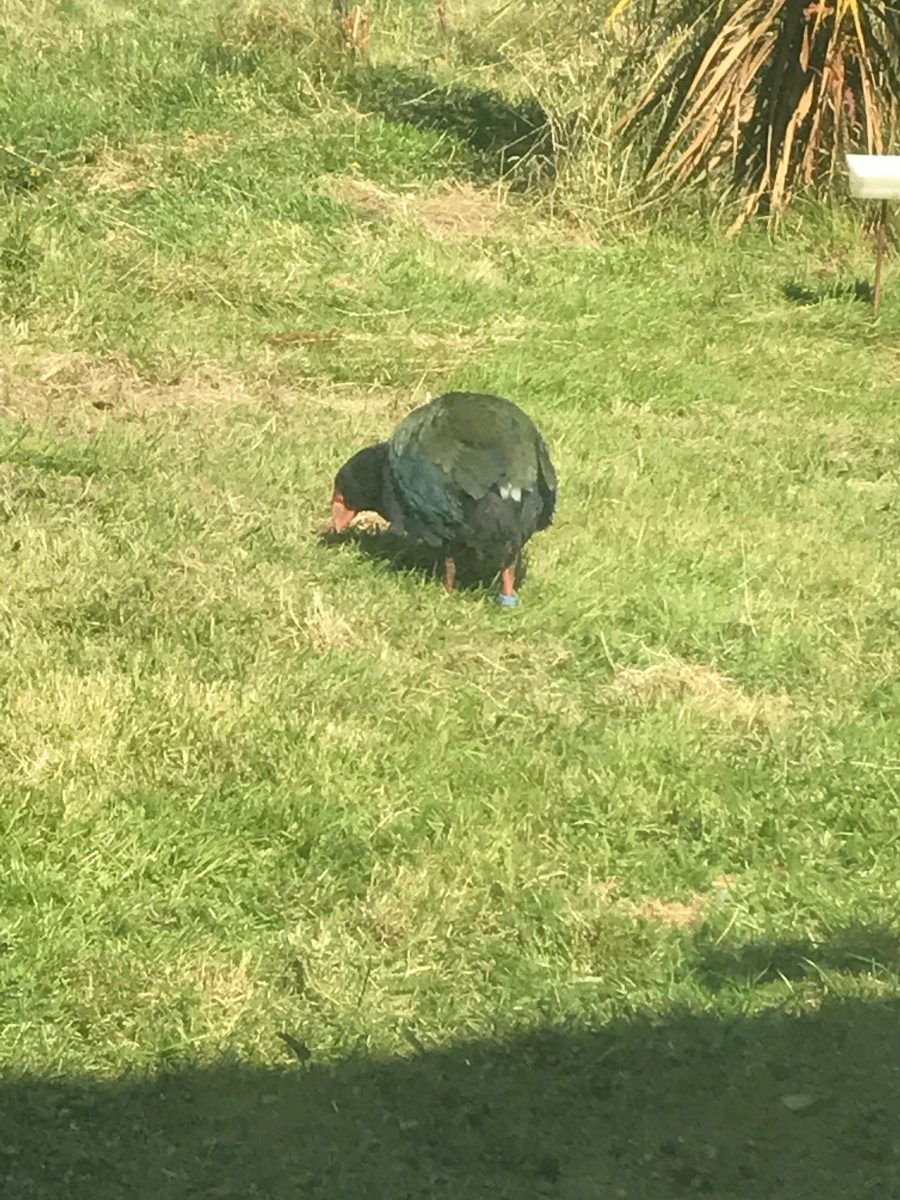
Endangered Takahe at the bird sanctuary in Te Anau

Endangered Takahe at the bird sanctuary in Te Anau

5ABB87DB-E6DC-4A64-8CFB-B43AEAEDFB7E 4FDCA5C2-75A3-41B0-A344-59EDC5CC4417 4D6324AA-EFED-4A32-A4C2-90AF0D1FD4B4 4B761382-0157-444A-B8DF-683A846080C2 3E061BB7-3963-4D13-BC1D-429F85826FA3

Road trip time!

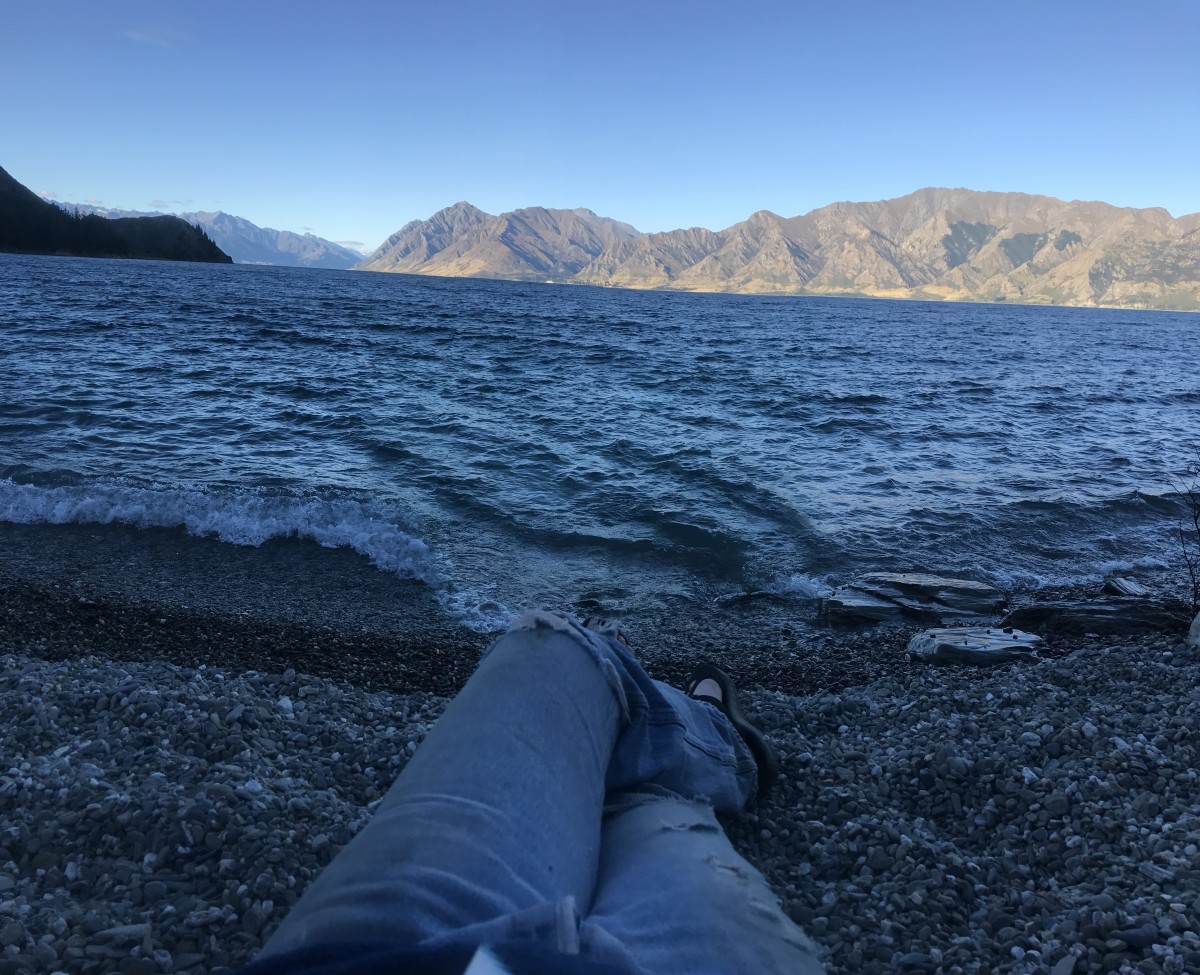
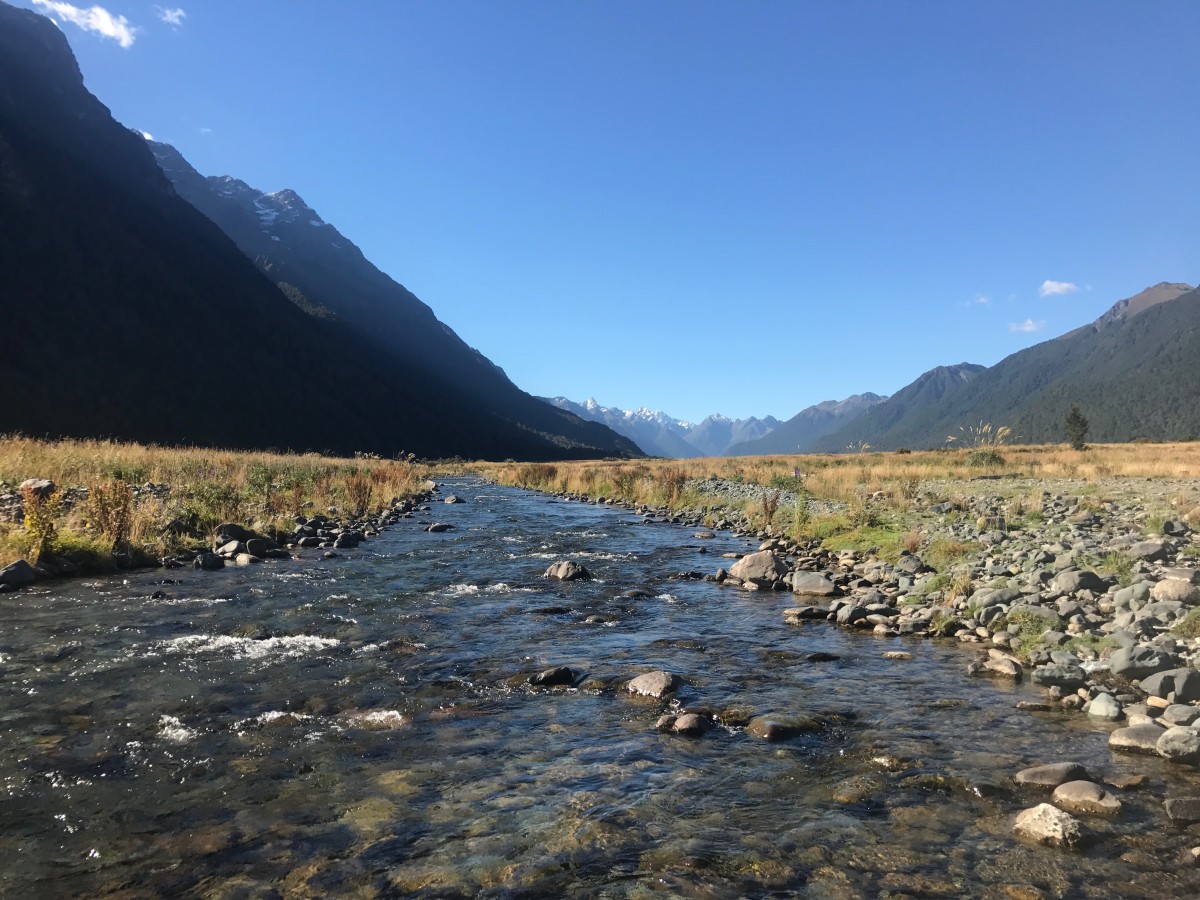
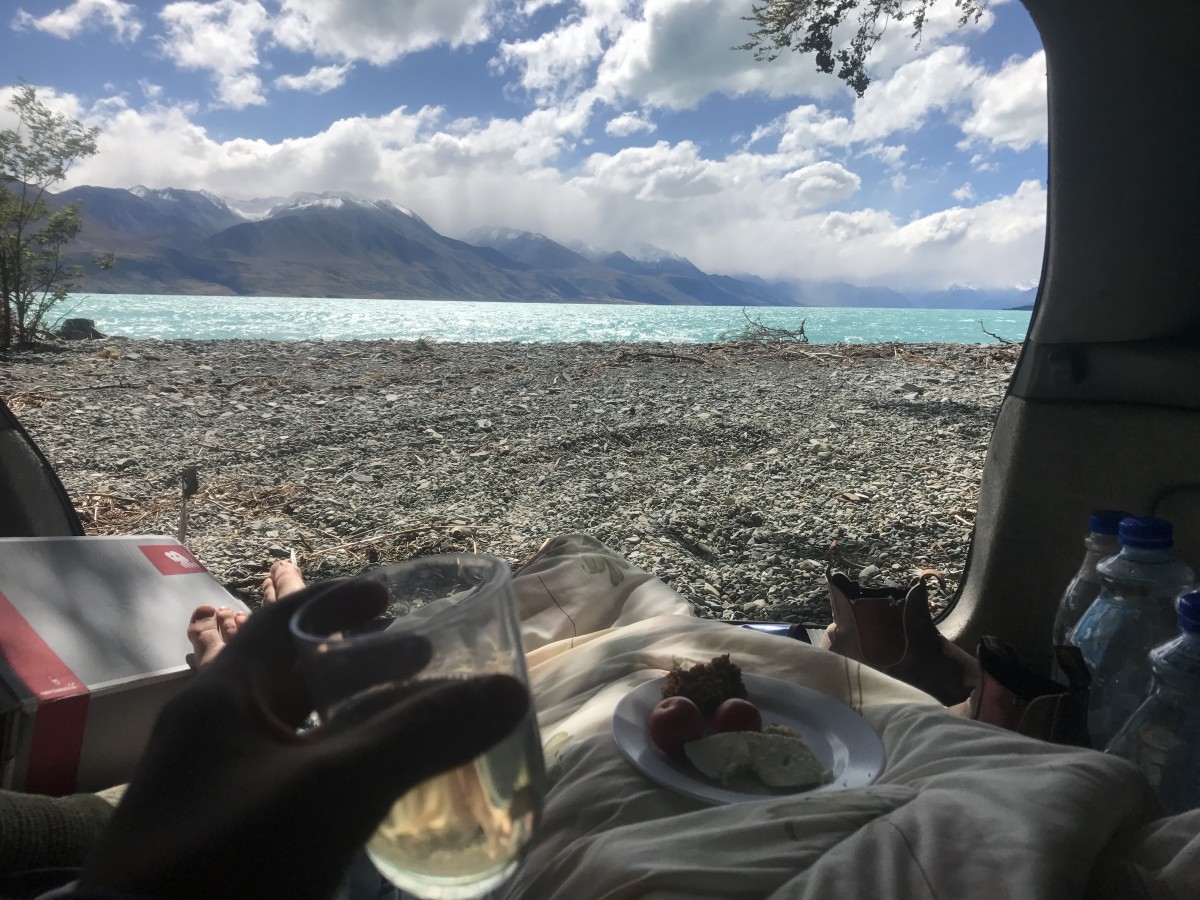
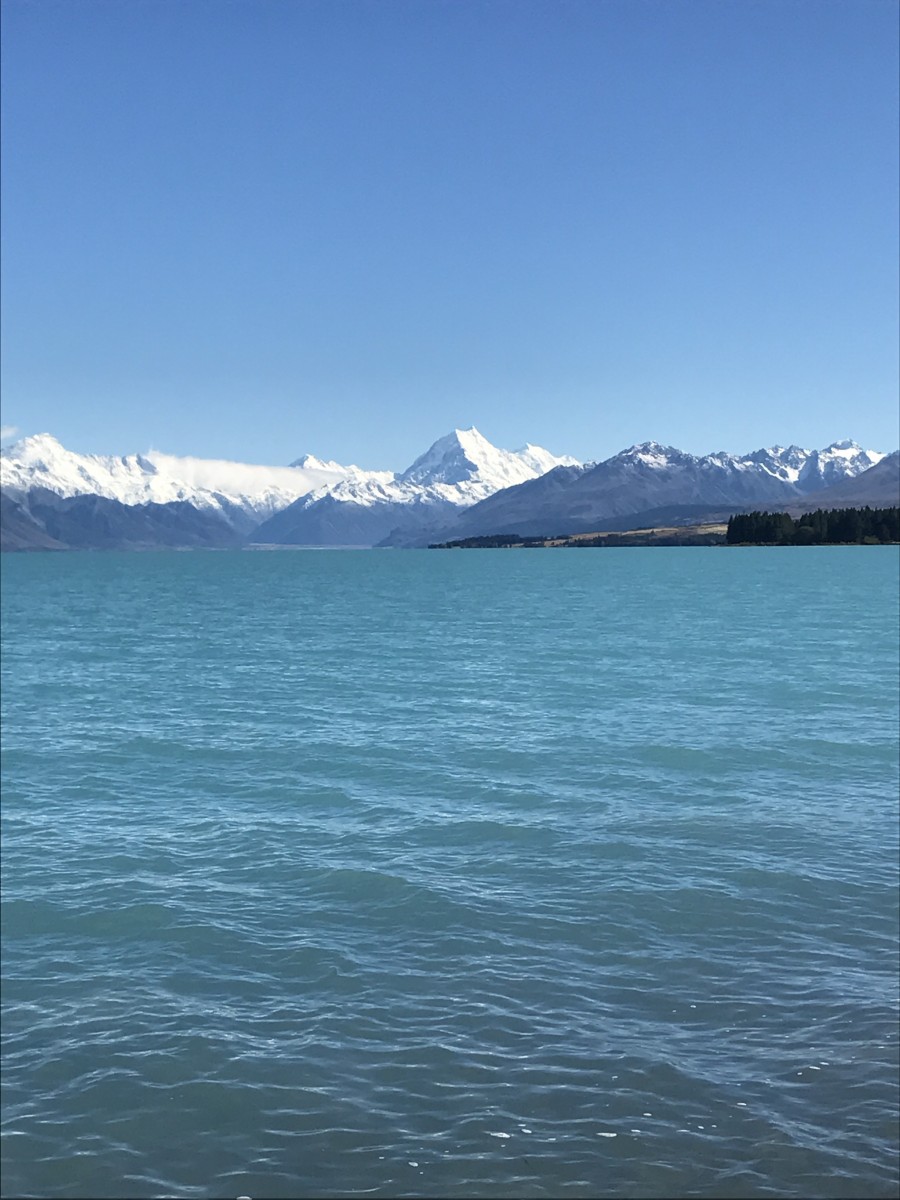
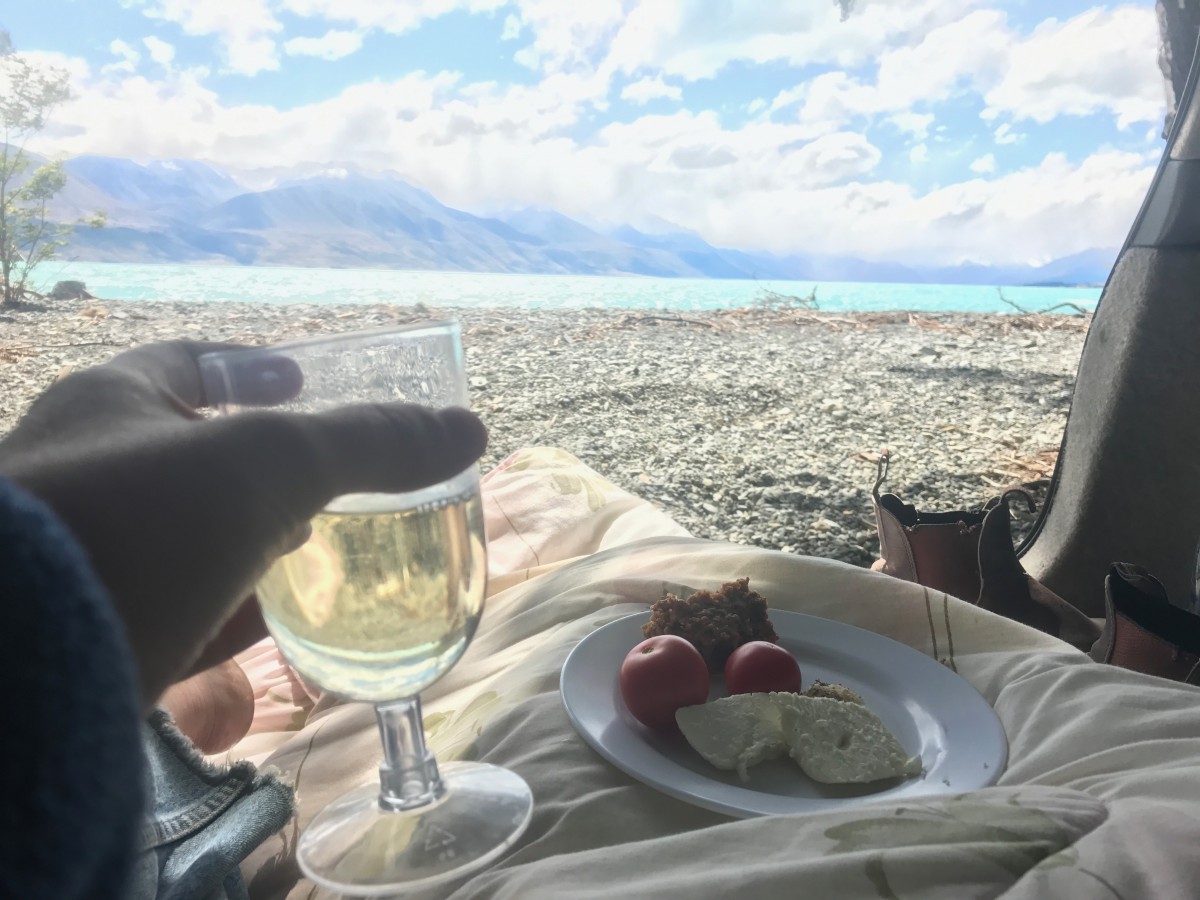
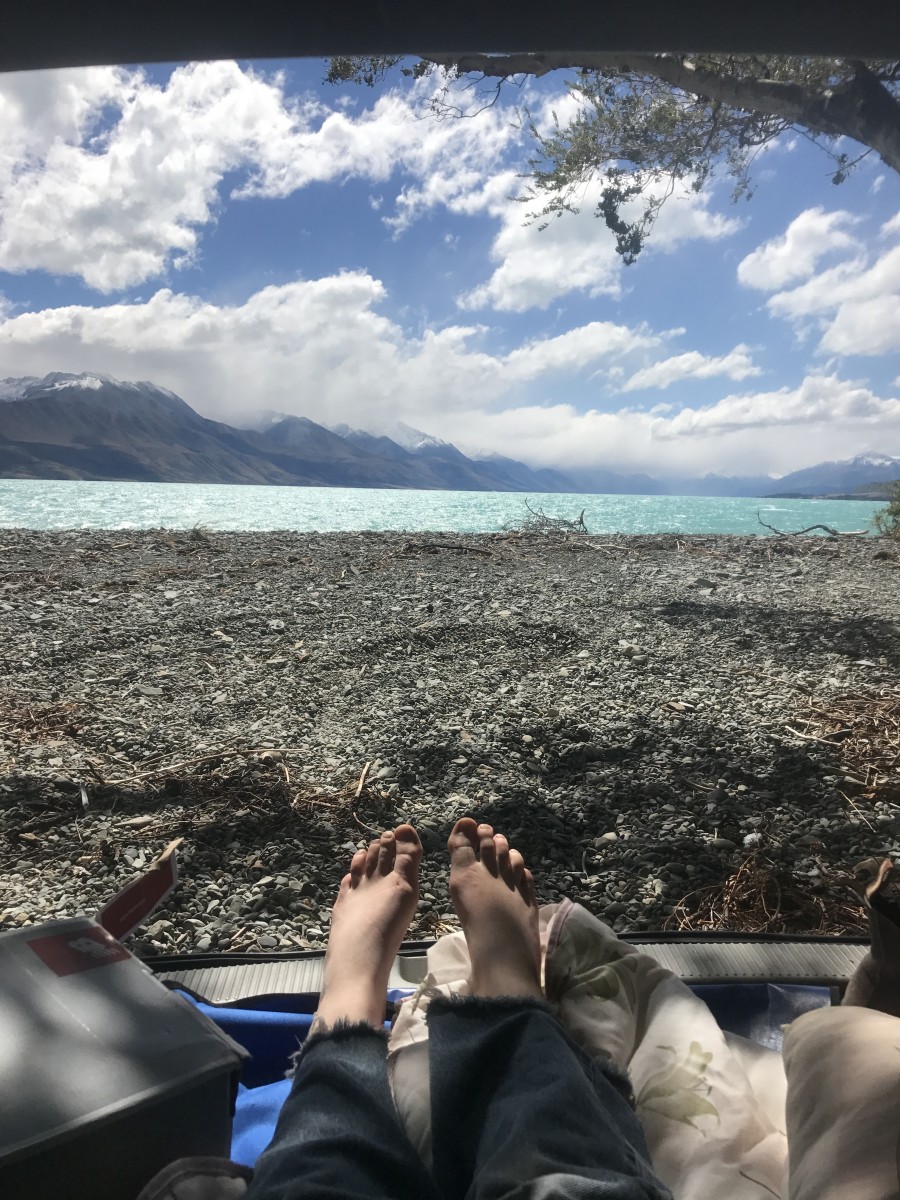
Since I hadn’t taken any of my days off, I decided to use them up and take a trip down south to the Milford Sound and Te Anau area. Last night, I slept at Lake Pukaki underneath the shadow of Mt. Cook, the highest peak in the southern alps.

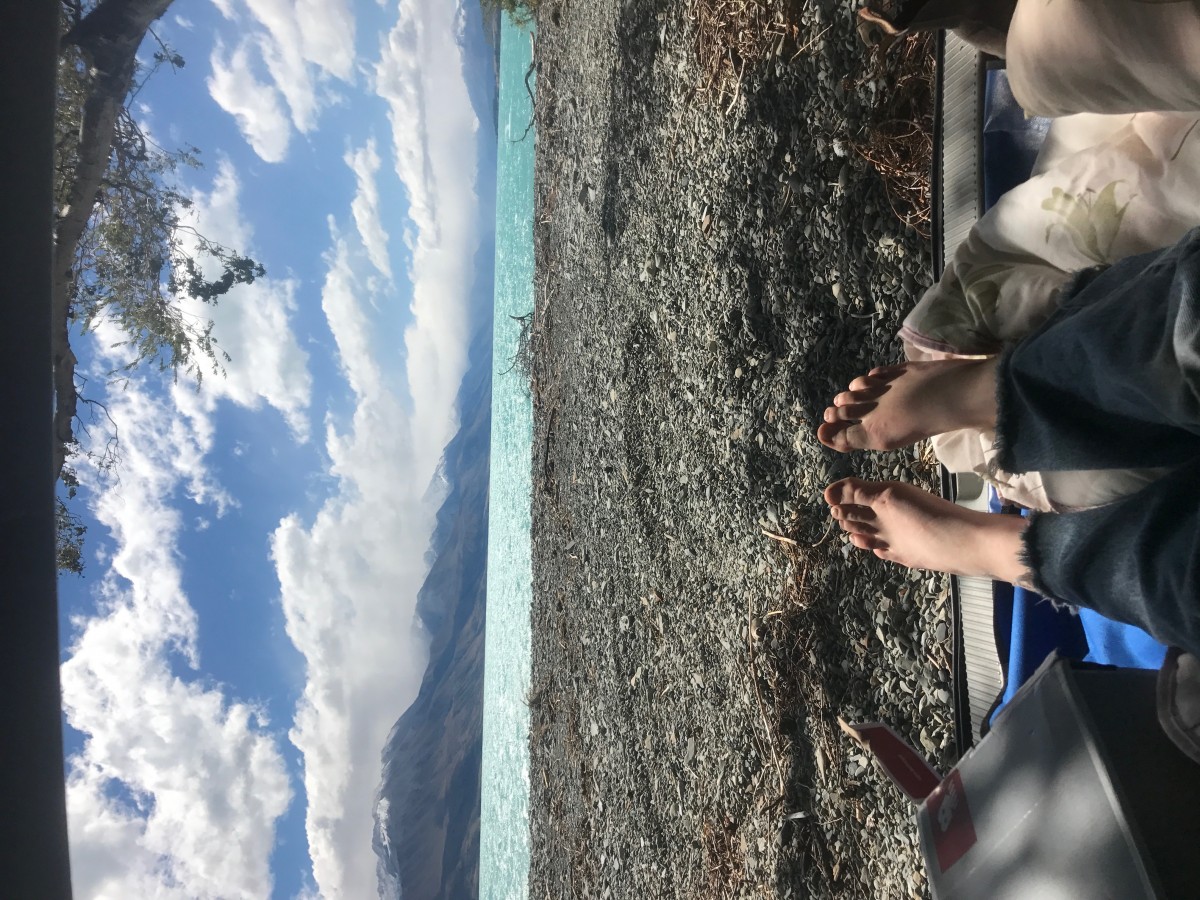
View from my sleeping spot

View from my sleeping spot

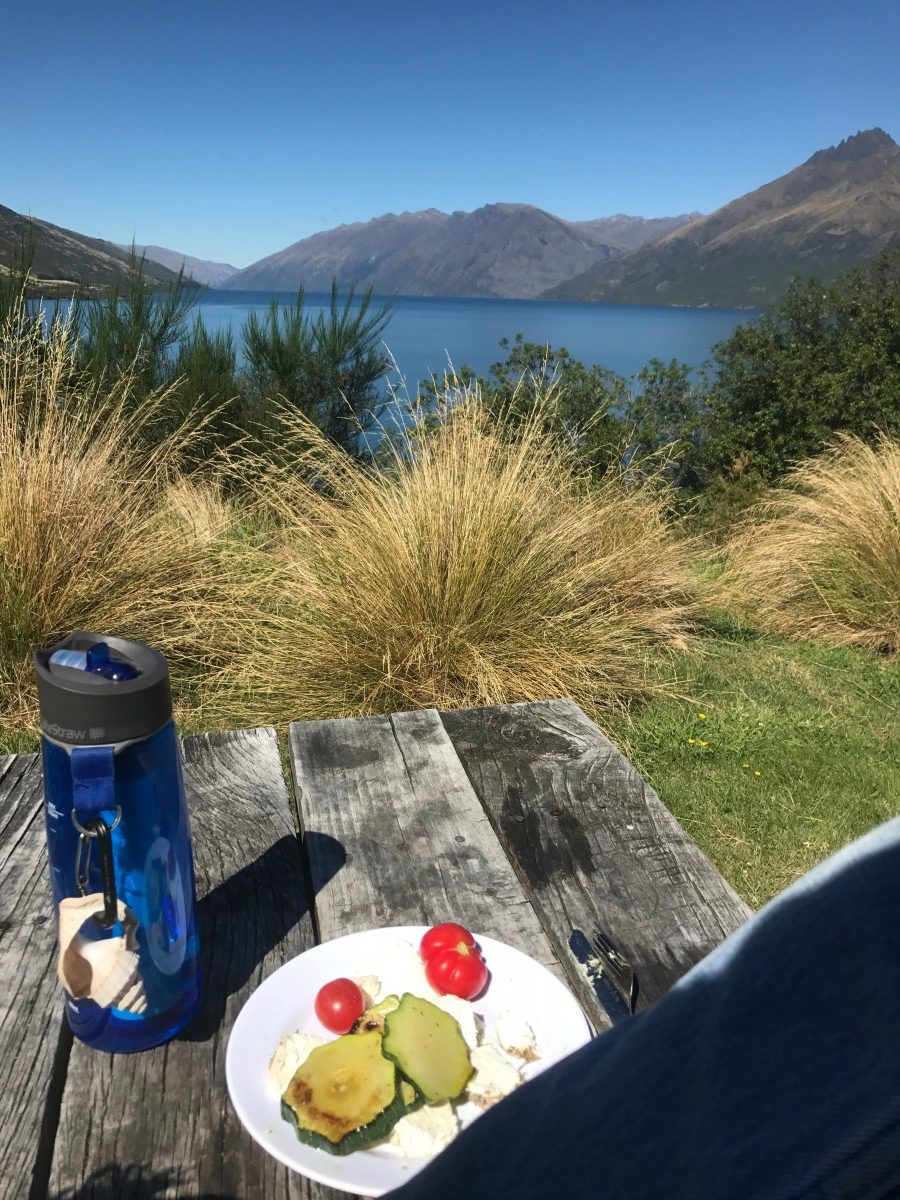
Afternoon lunch of cheese, tomatoes, and wine

Afternoon lunch of cheese, tomatoes, and wine

IMG_1153

Morning view of mt. cook

Morning view of mt. cook


I’ll be leaving internet access now, so I’m going dark for a few days. Wish me luck driving on the “wrong” side of the road!

2017 North Canterbury Wild Food Challenge!

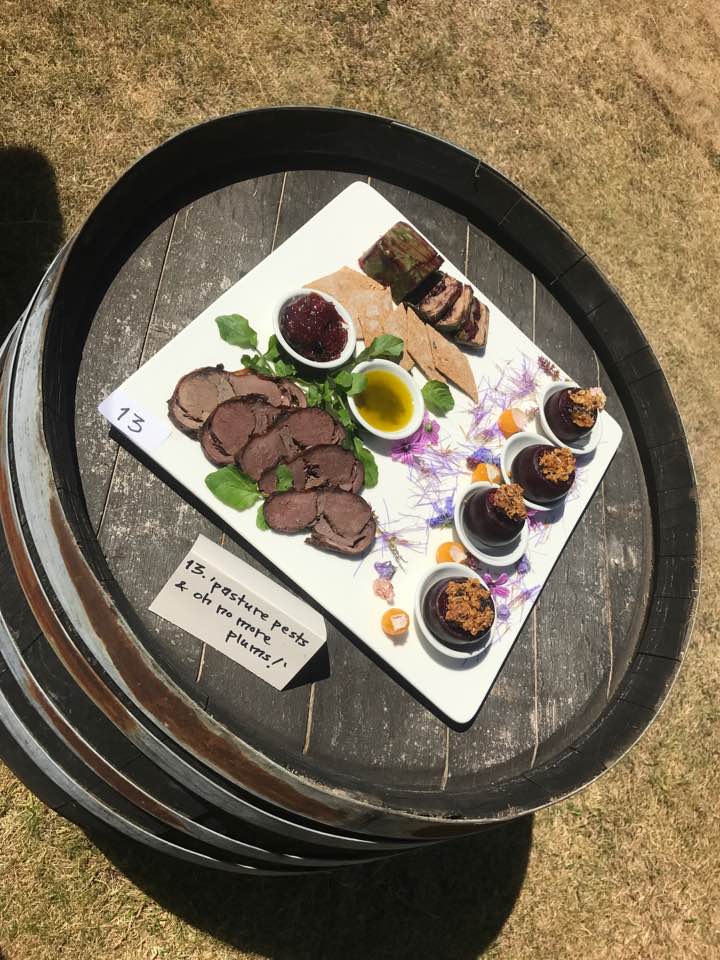
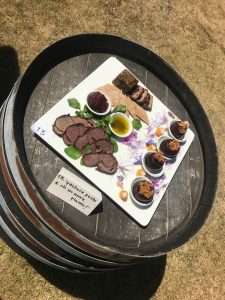
Lyndal and I entered a combined dish for the wild food festival. I made a wild plum and wild blackberry crumble inside red flesh plums with a crumble made of roasted red plums with rosemary, honey, and oats. The filling was cooked in reduced homemade elderberry wine, a hint of cardamom and rosemary, and vanilla. I also made a fresh picked yellow plum sorbet which i served inside hollowed out yellow plums with a crystallized rose petal on top. Lyndal made a possum and hare terrine, hare saddle with hare liver inside soaked in elderberry wine, wild flax seed crackers, and a couple of sauces.

Here’s the finished plate:
16729264_10211997269749426_1983844085417081595_n

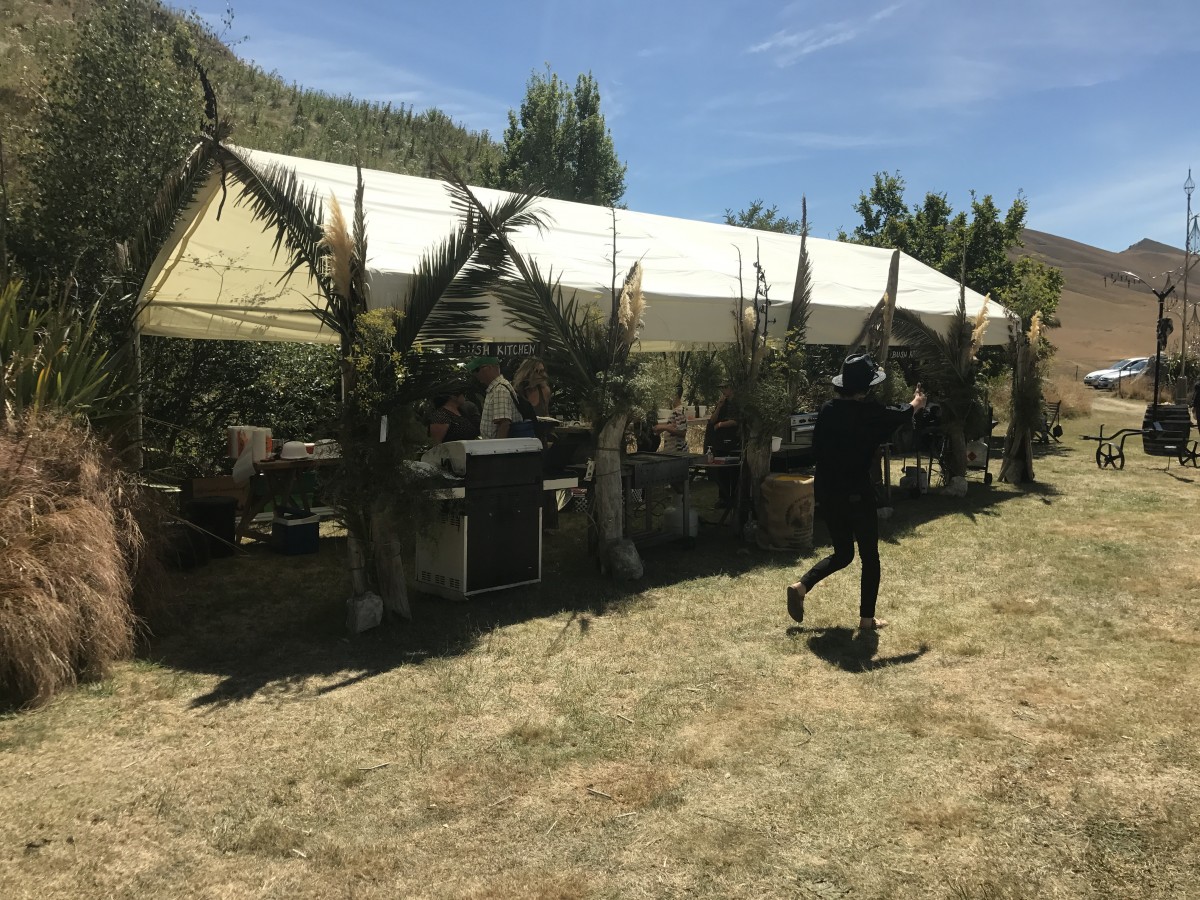
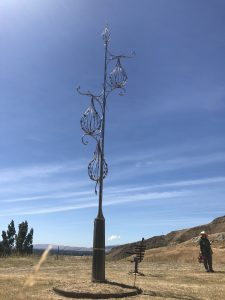
We arrived and registered our dish and then were sent to the bush kitchen to prepare our dish. We had made everything beforehand and just had to set it up and plate which was great because the kitchen was crawling with bugs. Then, the dishes were taken immediately to the judging tables and we had the rest of the day to taste everyone’s dishes and watch demos and admire the beautiful scenery. The challenge was held in the Iron Ridge Quarry Sculpture Park with sculptures done by Raymond Herber, a local artist.

The whole concept of this festival is so so awesome. It encourages people to go and explore their local flora and learn about the edible plants and learn how to process and cook with them. It brings everyone together to celebrate the incredible locale they live in and to enjoy food together for an afternoon in a gorgeous area.

Throughout the afternoon, they cut up the rest of everyone’s dishes for the rest of the competitors to try, and had demonstrations of various types for people to watch. One local butcher did a demo on how to butcher a red stag, and afterward they auctioned off the meat to benefit the people who were affected by the Kaikoura earthquake. The entire time, they were talking about “nose-to-tail” eating, using the entire animal to honor its life and to ensure nothing goes to waste. They tossed the bones aside and were planning on not using them, but Lyndal and I were sitting up close and asked if they would auction them off so we could buy them and do something with them. We spent $20 and got bags and bags of bones with tons of really nice red stag meat on them which was a total score and we can make loads of sausages, patties, and stock with them.

What I found very surprising about the event was how much plastic they were using and also how they had zero places to recycle any of it. The entire time they were preaching sustainability and such but failed to do the easiest thing.

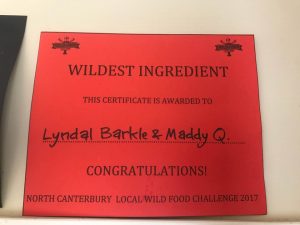
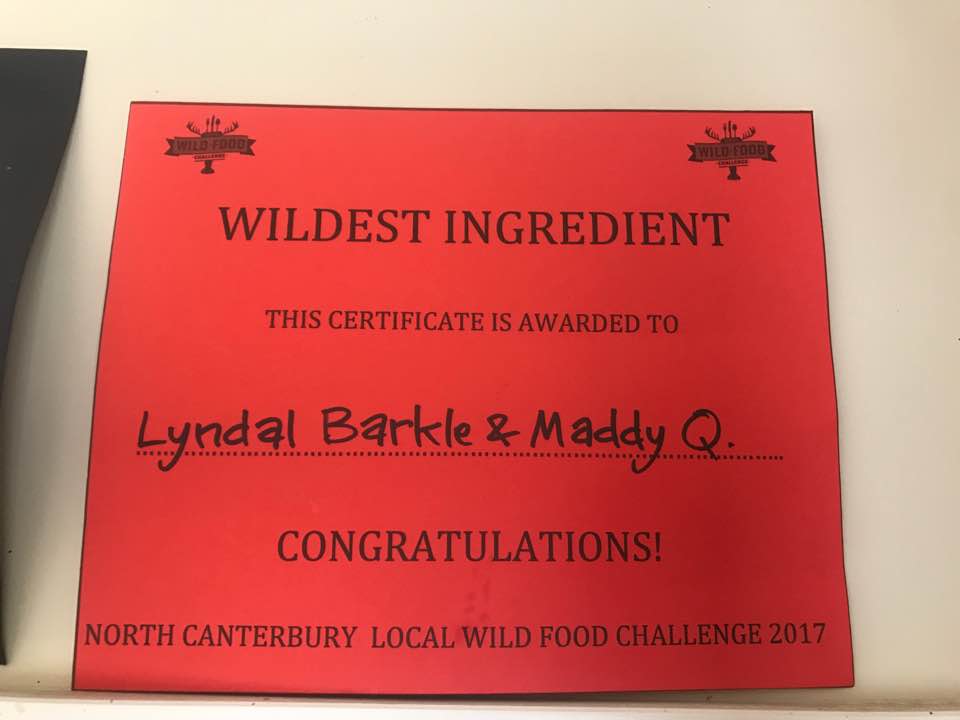
After the final demo, they held the award ceremony for the various awards they were giving. Lyndal and I ended up winning the award for “wildest ingredient” for the possum. Only the sugar and vanilla came from the supermarket, every other ingredient came from us foraging, or was trapped and given to us by friends. We won a nice bottle of Riesling, an incredibly nice handmade knife from a local knifemaker, and a couple other small bits. Overall it was an incredible day and well worth the time spent foraging, skinning, and cooing.
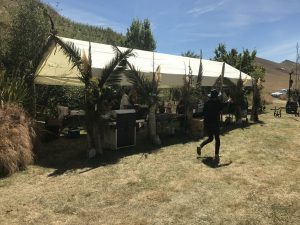
 

The bush kitchen
The bush kitchen

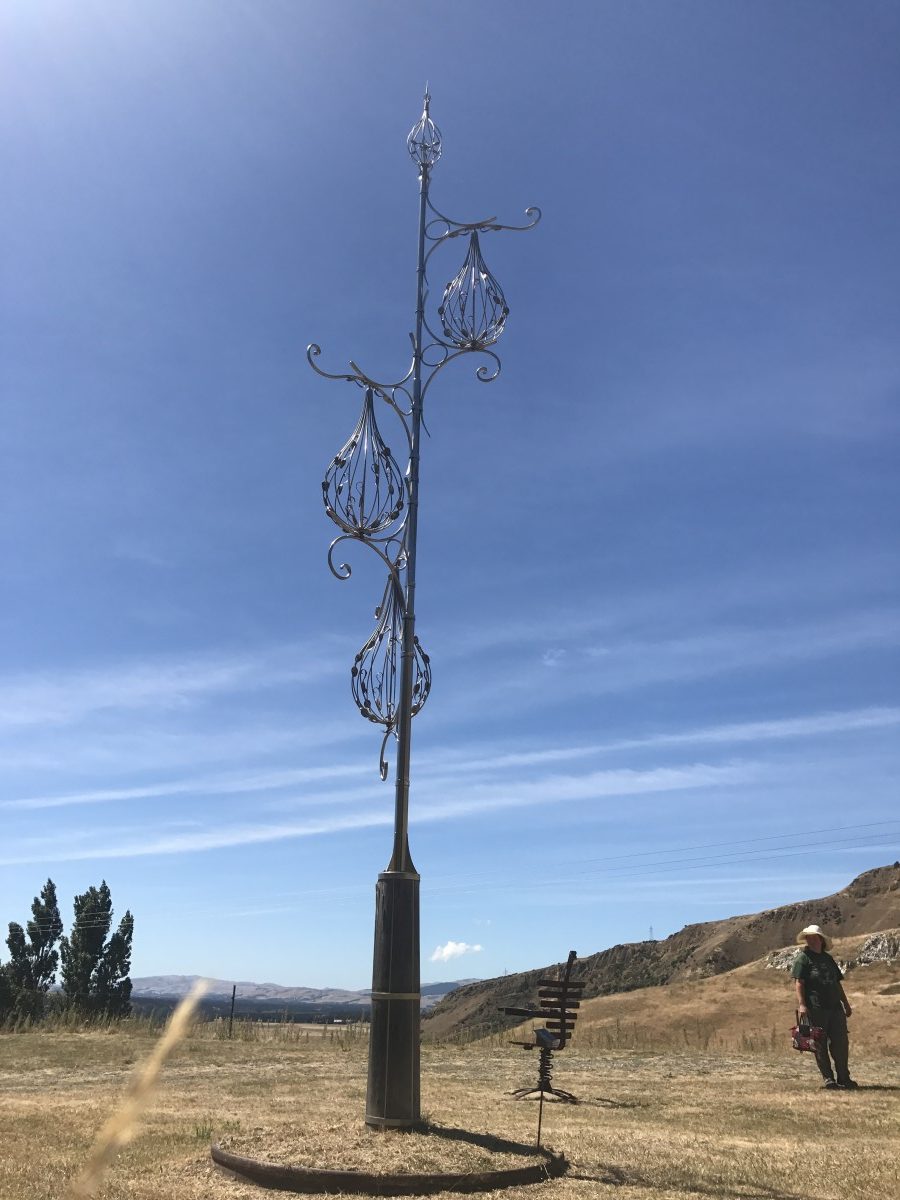
One of Raymond Herber's sculptures

One of Raymond Herber’s sculptures
16730679_10211997269549421_7520251952363105960_n

I’m a trapper now?

So this weekend is the Canterbury wild food challenge, a day in which people and chefs from all over the region convene and show of their skills in cooking wild or foraged food. Last weekend we were planning on going fishing and catching some fish that I could cook, but because of the wind we were unable to go out and as of right now I have zero plan of what I’m going to cook. So I spent the last couple of days building a trap to try to catch a rabbit or bird of some sort. I watched a few videos on how to make traps by hand and made a plan to make the base out of willow branches and go from there.
The first version

The first version

I started using rubber bands and wire to hold it together which didn’t work and hunted around the grounds here until I figured out a bungee cord, baling twine, and thin fencing wire would all hold it together properly. Once the trap actually held together, there wasn’t enough tension in the cord or weight on the top portion that snaps down to effectively trap something inside, so I wired and roped some rocks to the top to make sure it came down hard and fast enough to keep something inside. The trap also wasn’t releasing properly because the stabilizing trigger pole would get caught on the wire at the end of the base pole every time, so by moving the pole and divot that held it further up, it was less likely to get stuck once released. After a few bumps and a pretty bad cut in my thumb it held together and seemed to release properly every time. I decided to hide it where we frequently spot rabbits and tie it down to a tree so no one  runs away with it.
IMG_1061

the second version w/rocks, netting, and wire wrapping hidden in the bushes with rotting basil as bait

I’ve never considered “hunting” or trying to kill my own meat because I thought it was unnecessary when I could just go to a store and buy some with less “cruelty” or work involved, but I’ve been fishing a thousand times and never thought of that as on the same level as trapping or hunting. I think my perspective has just changed living here and seeing that this is how people a. get rid of pests and b. feed themselves. Now it seems more cruel to go to a store and buy something you don’t know the history of. Who knows if I’ll actually trap anything with my funny homemade trap but It’s definitely taught me a good bit about harvesting meat and learning what is and isn’t “cruelty-free.”

Thinking about killing and butchering in the name of sustainability

In middle school I read the book Into the Wild and was astounded by Christopher McCandless’s ability to just let go of everything his parents wanted him to be and everything the country forced upon him ie: money, schooling, etc. During his time spent in the wild lands of Alaska, he shot and killed a moose and planned on butchering it and preserving it for later use, but the meat ended up being overtaken by maggots shortly after because he didn’t really know what he was doing. The idea of killing for the use of the meat and not for sport has always been fine with me, although I’ve always been afraid of being in situations like his, where the life would be wasted and not be used which is why I’ve never hunted or participated in challenging the status quo of buying meat at the supermarket. A couple days ago, Tony a neighbor of AislingQuoy rang Lyndal asking if we wanted a dead hare to butcher and eat that he had trapped and today asked if we wanted a possum. Had we not accepted his offer, he would have thrown the carcasses out into the field for the hawks to peck at until they disappear and although the animals were considered “pests” they wouldn’t have been put to use and the lives would have been wasted. Since I participated in the butchering and we were planning on eating them later on, I felt like the lives of the animals were being honored and not thrown away. The process is definitely not easy but taking a life like they do here and processing and eating them in the way they do is much more emotionally sustainable than eating some animal that for all we know could have been killed and treated in a much more awful way.

« Older posts