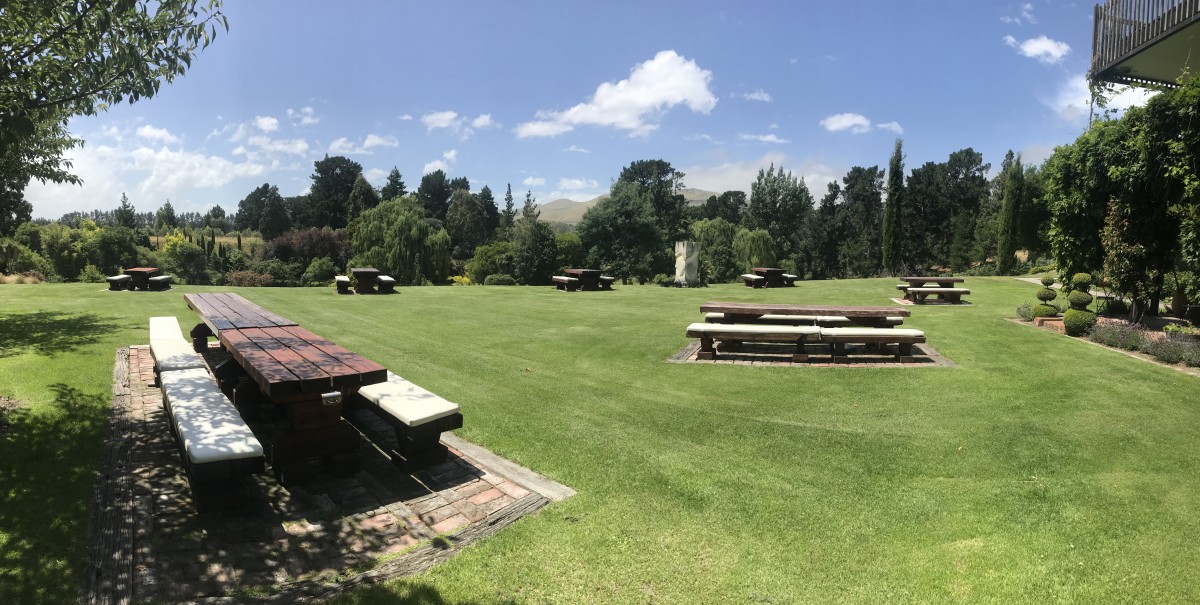
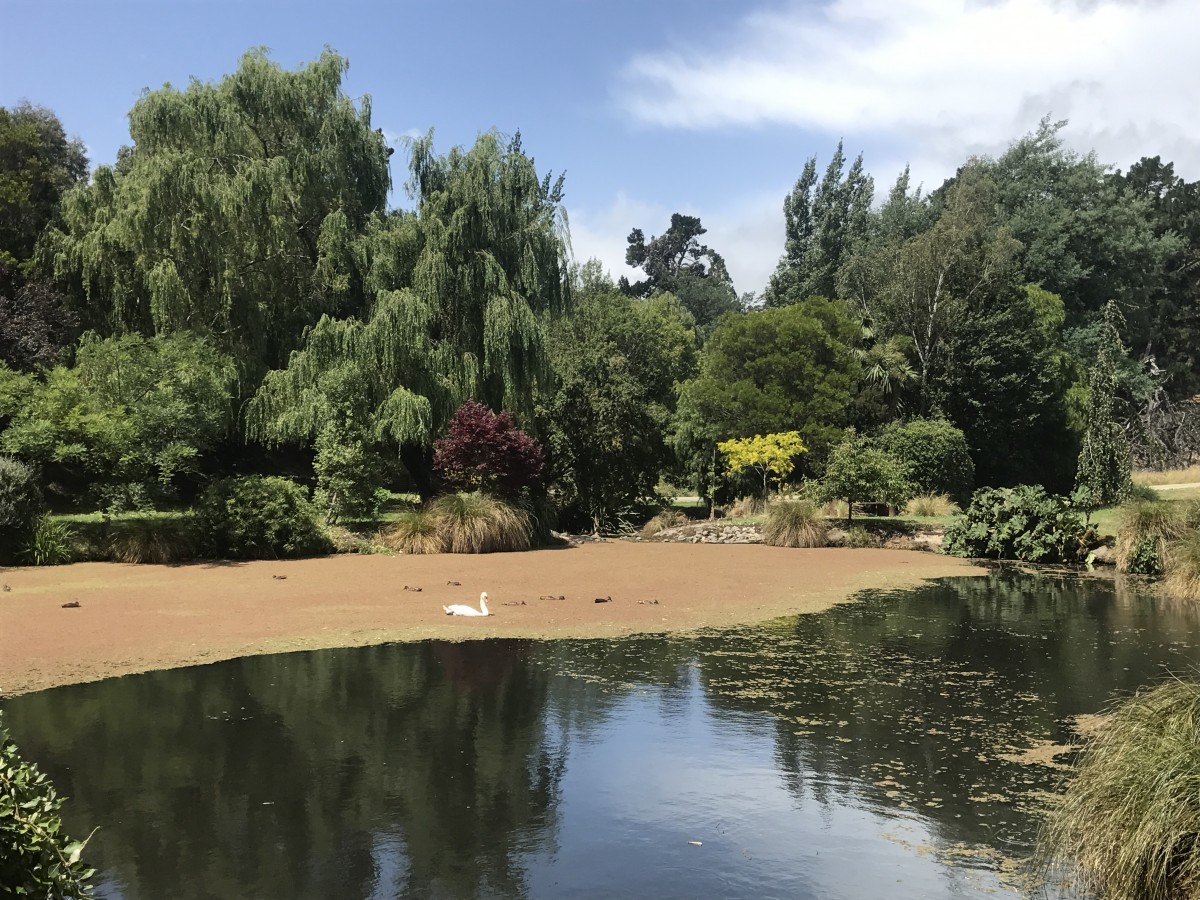
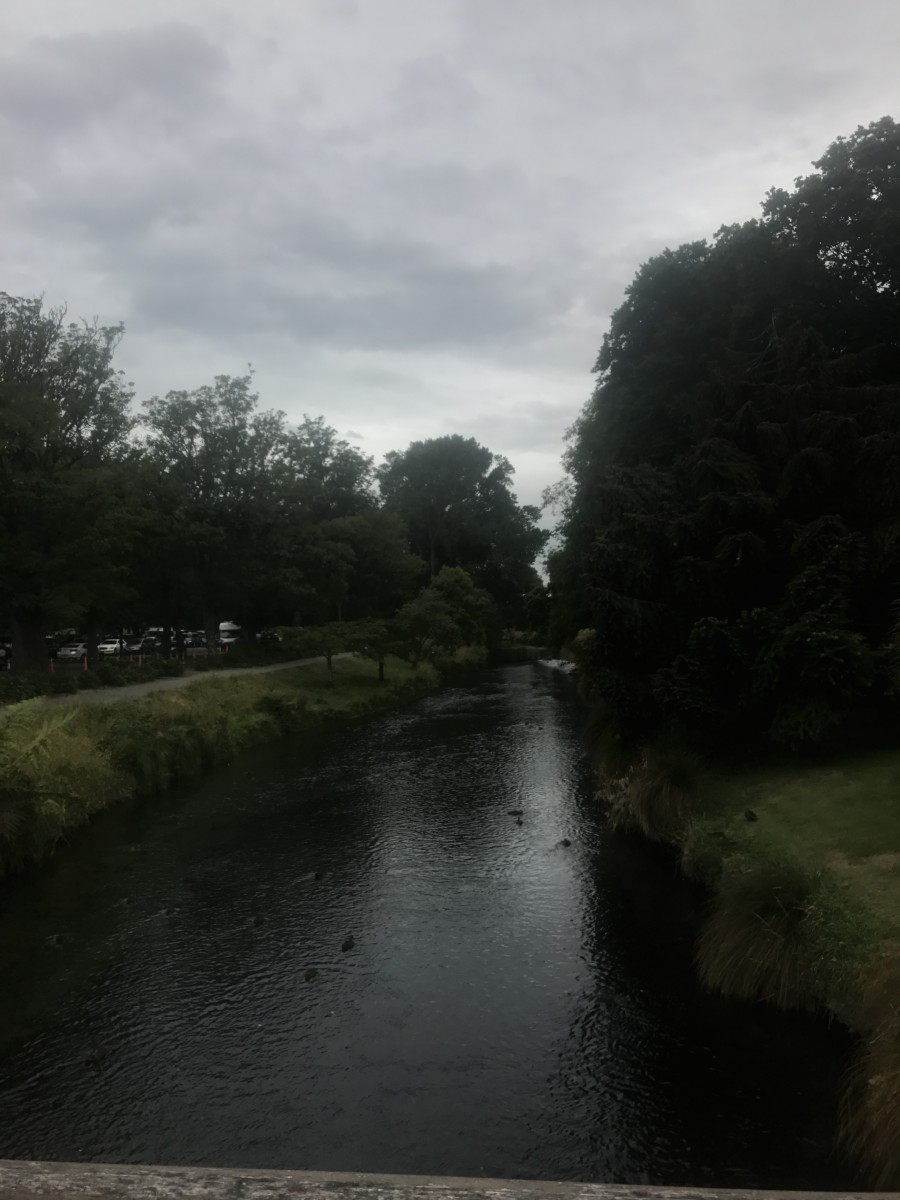
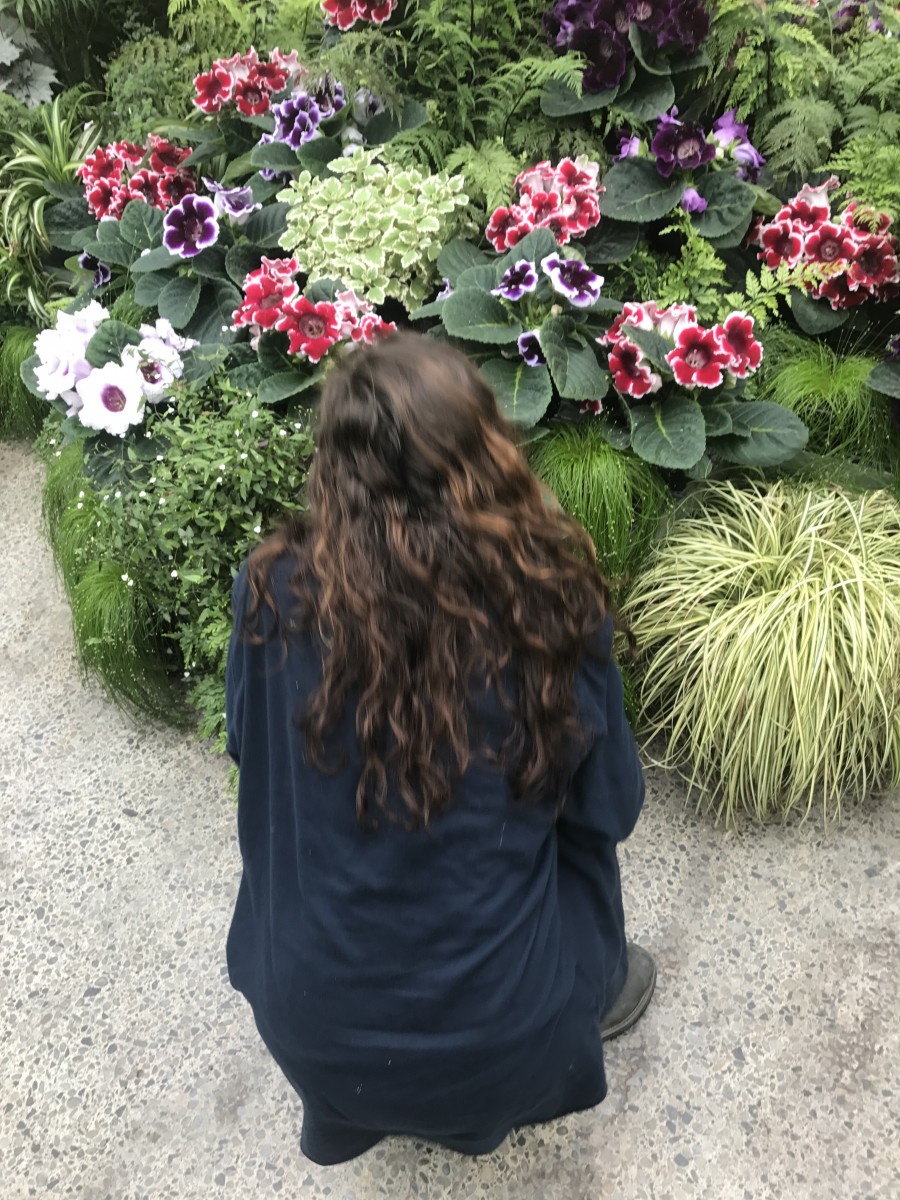
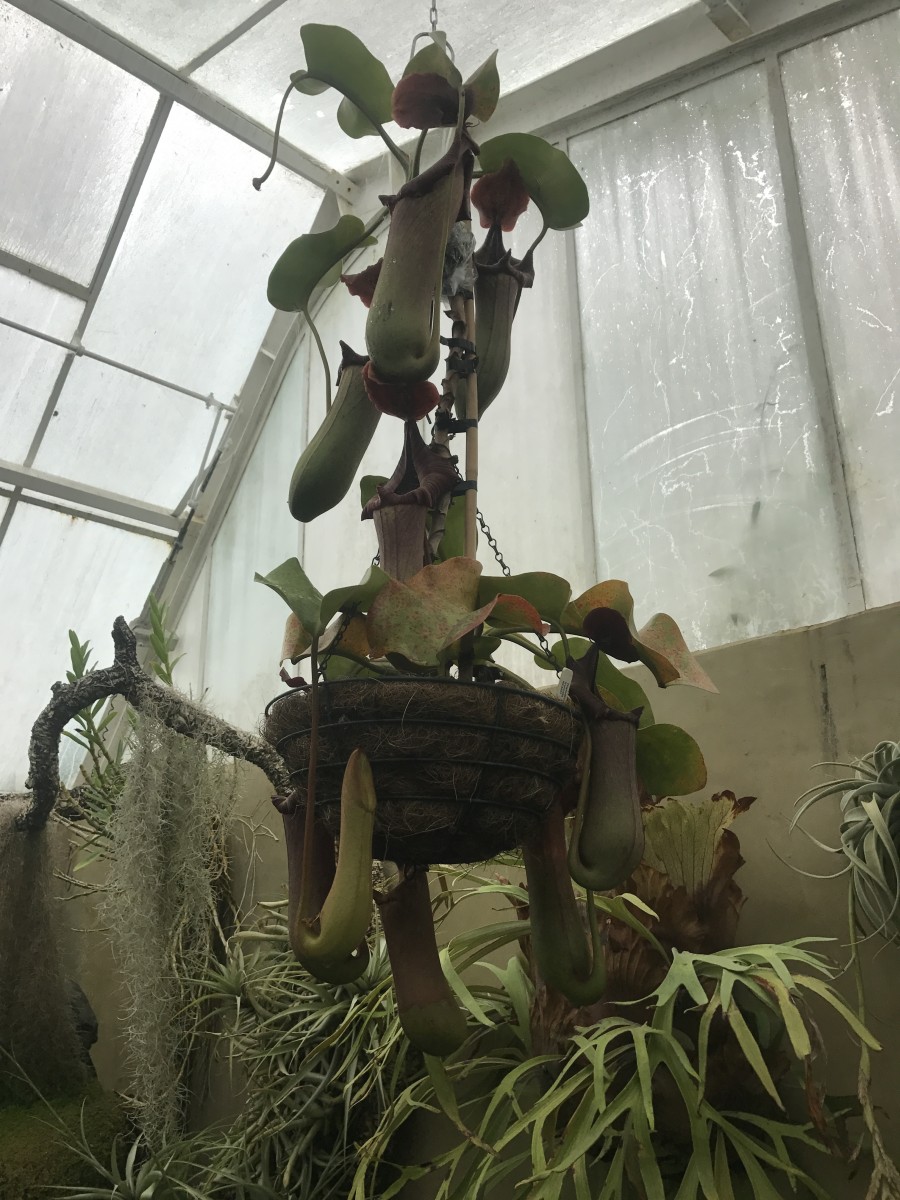
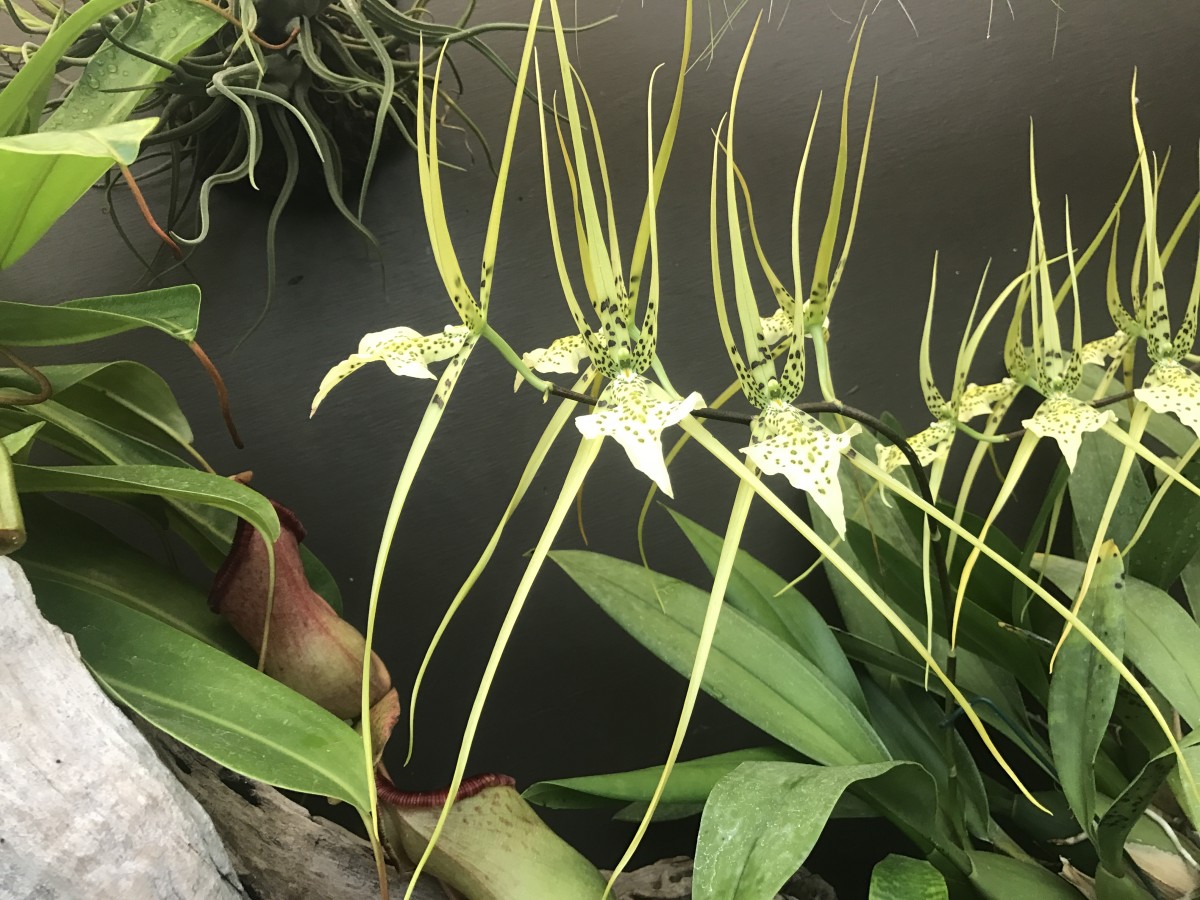
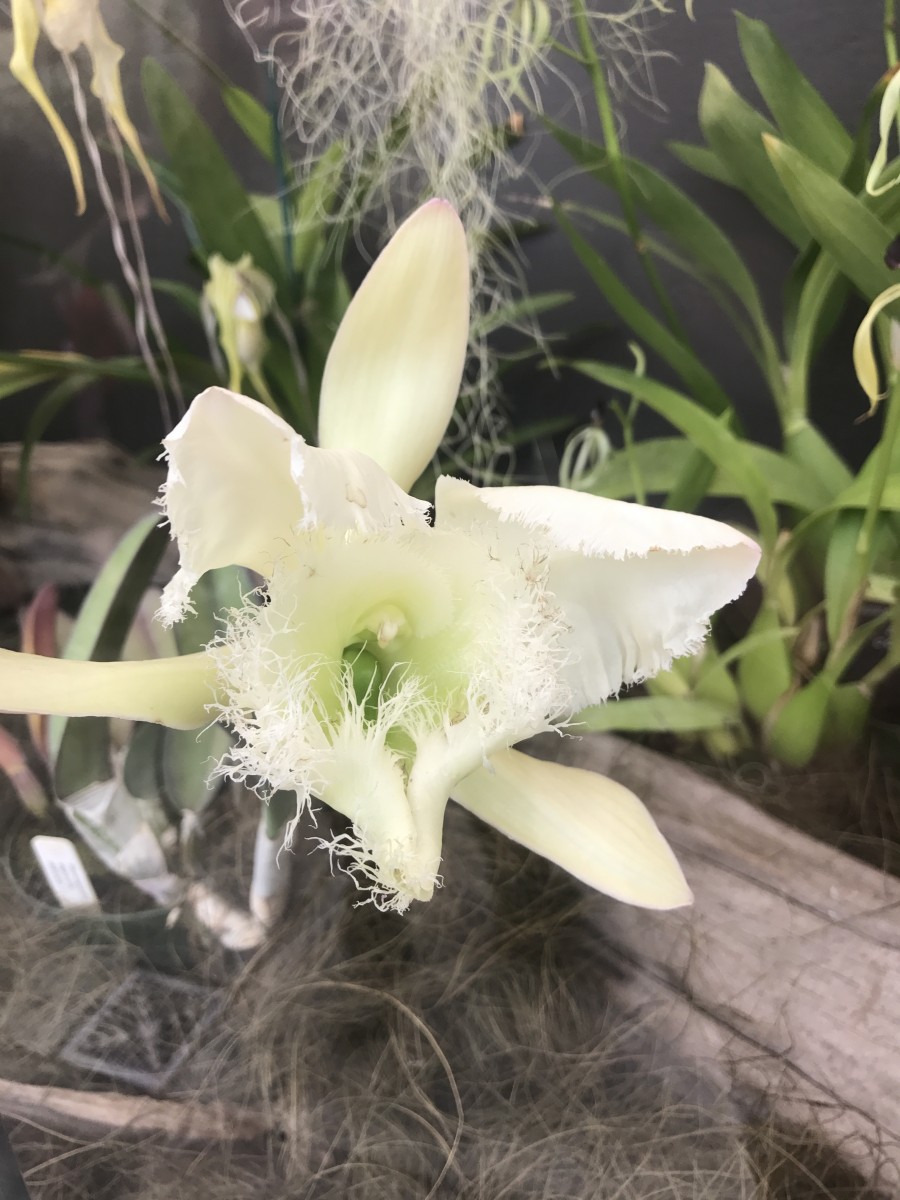
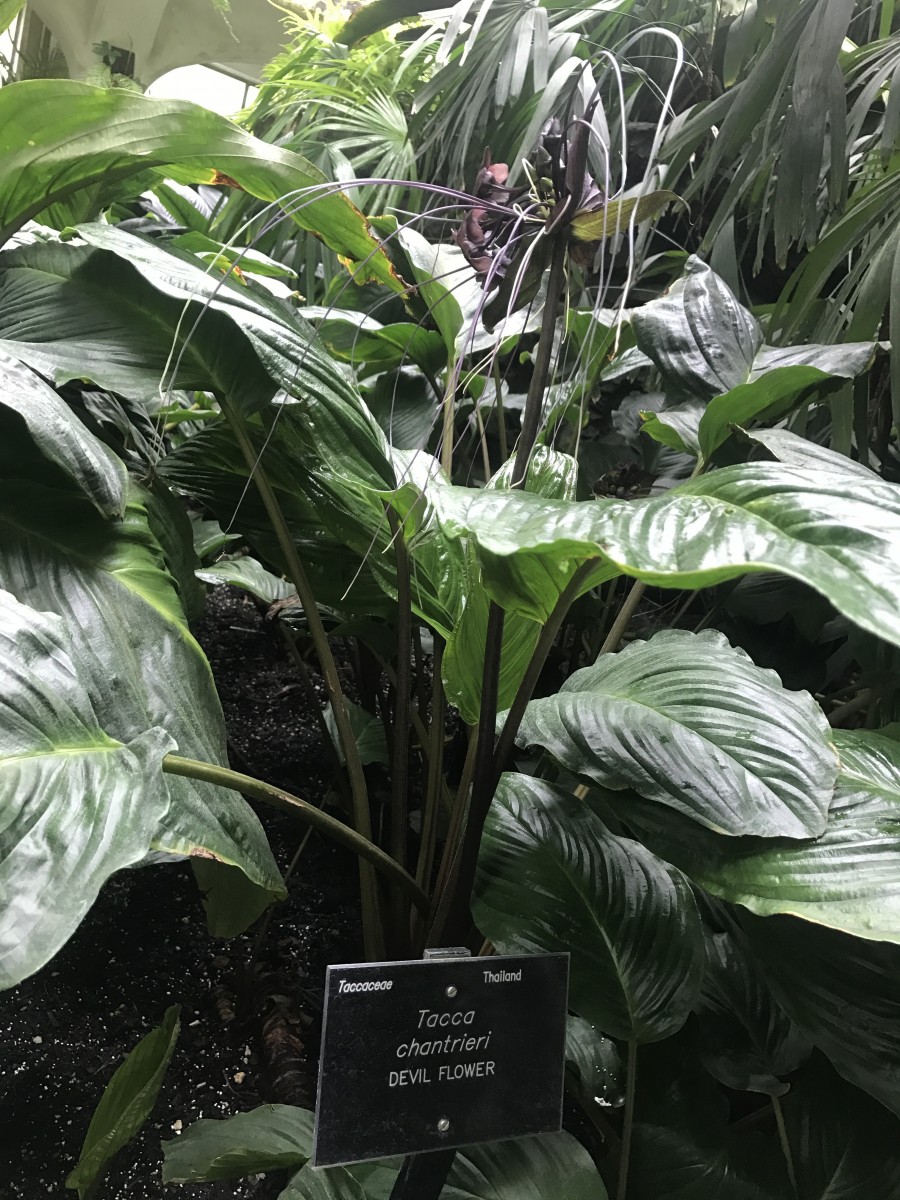
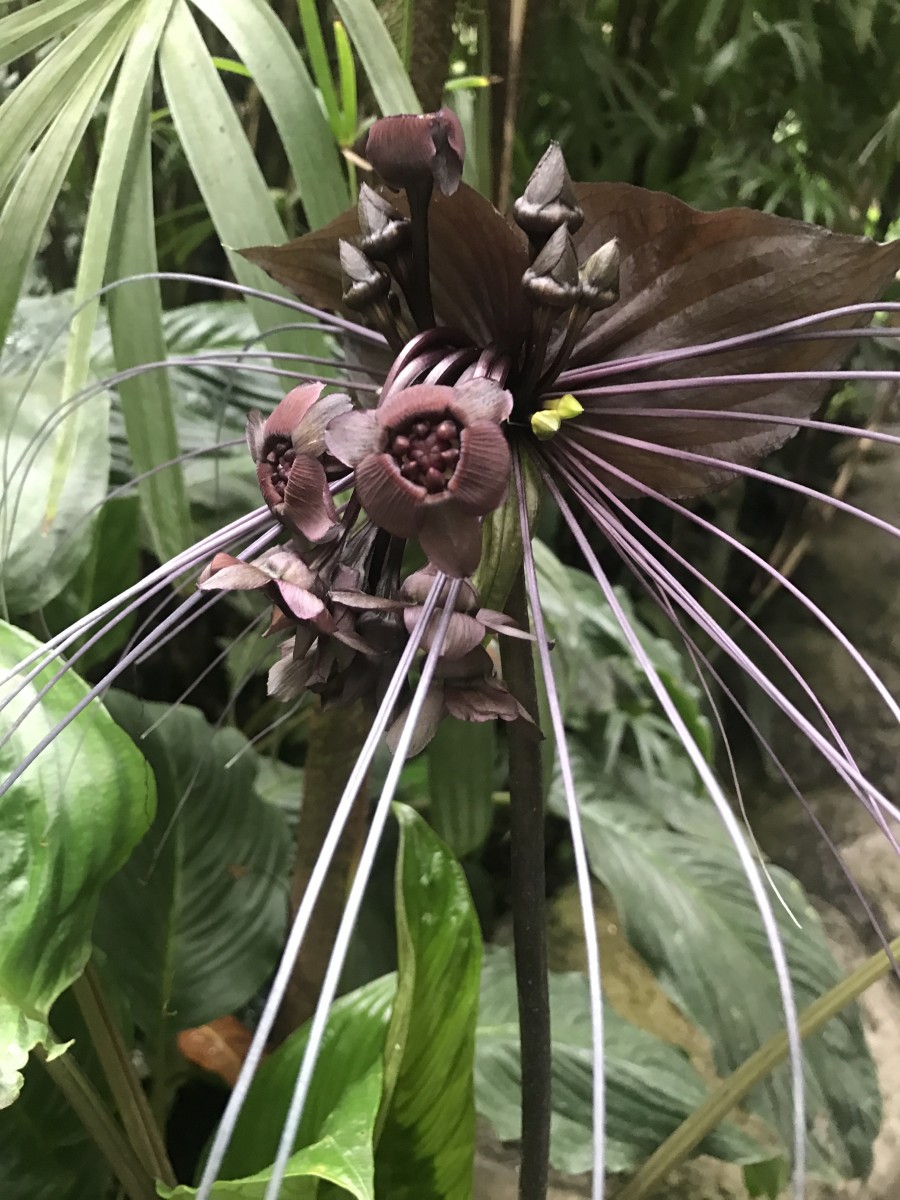
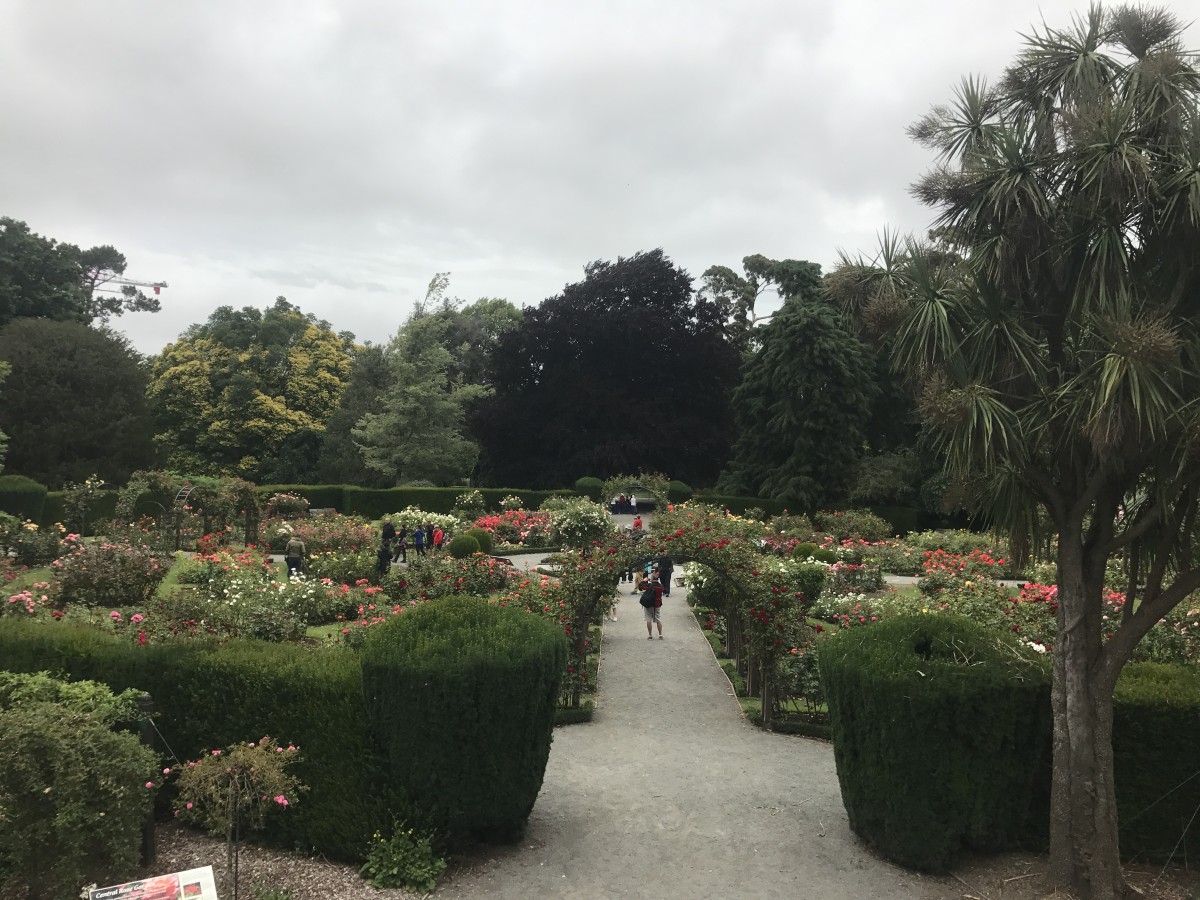
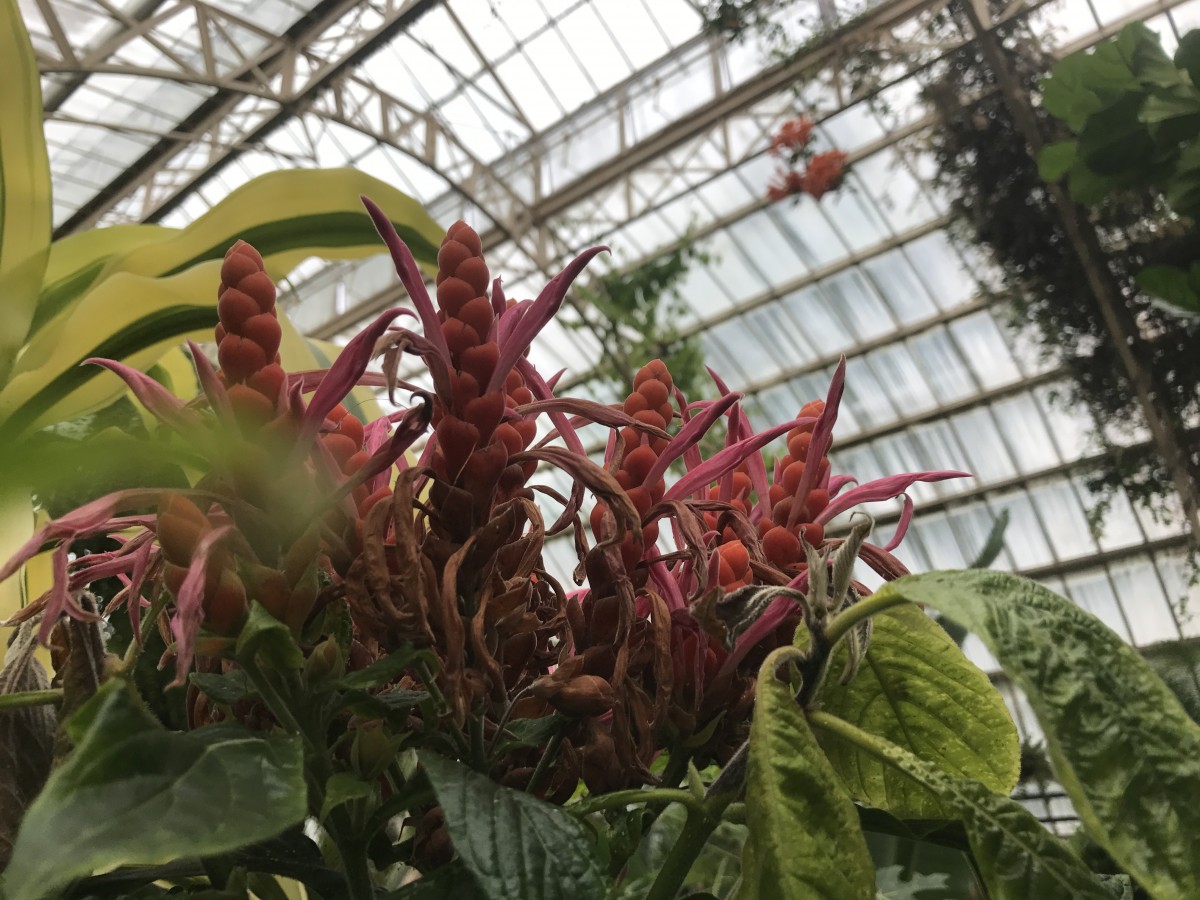
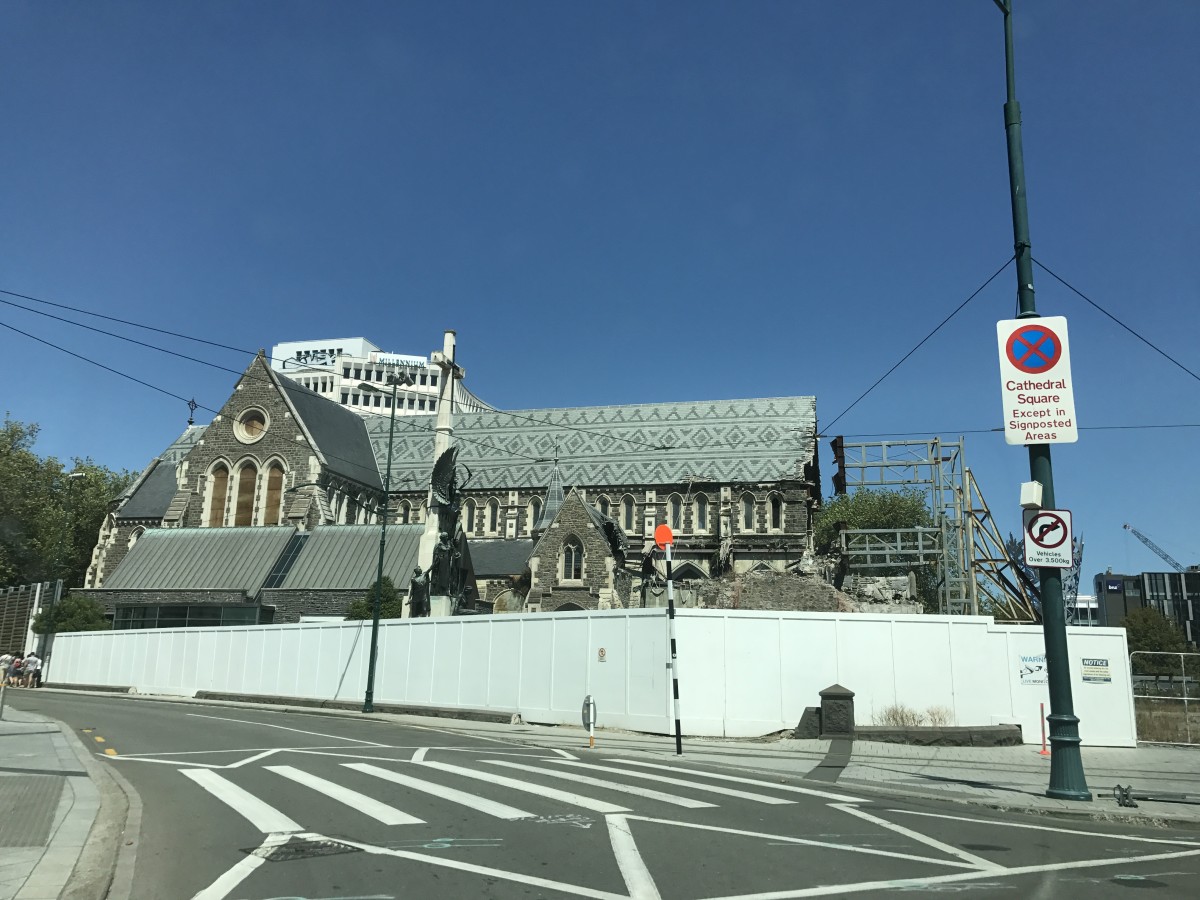
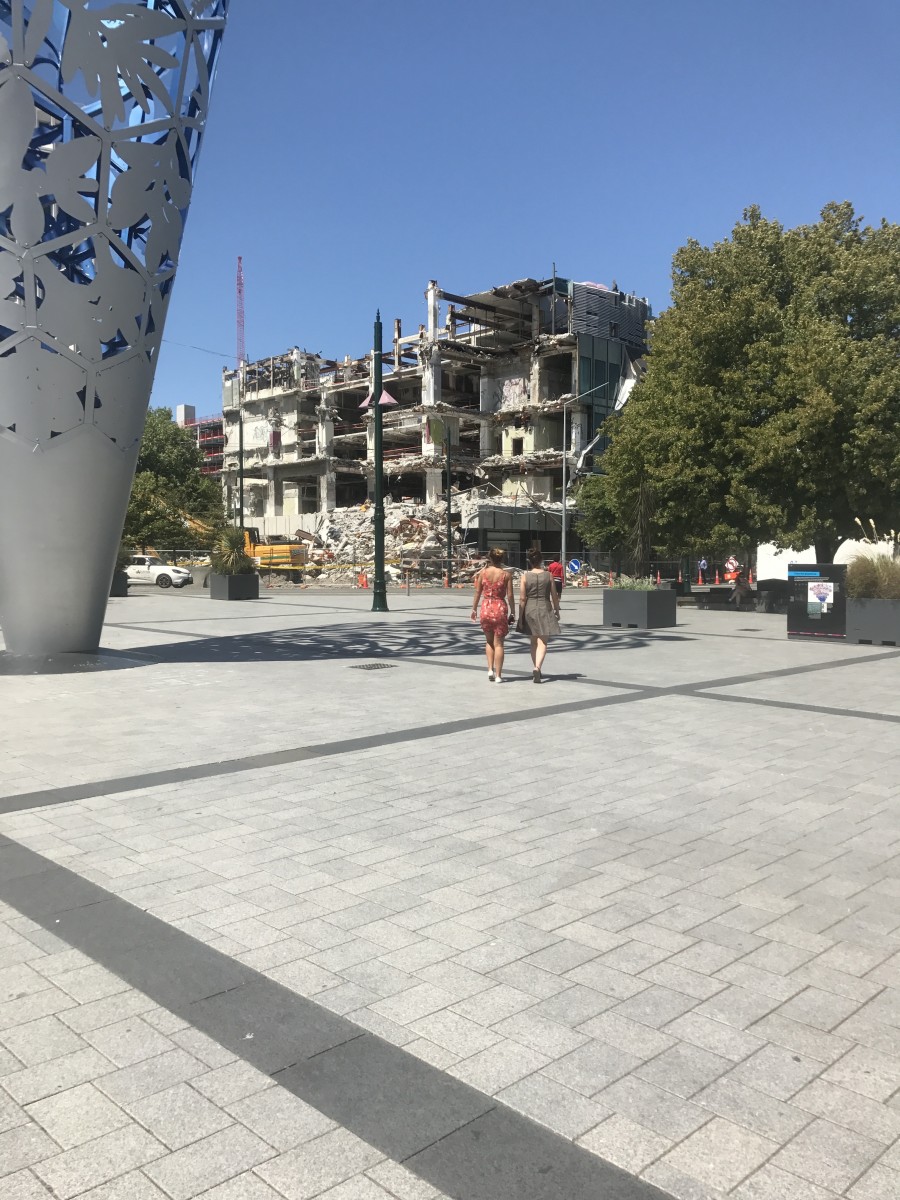
Lyndal and I made a jaunt down to the city the other day and I spent some time in the botanical gardens again, drawing and reading, and then we went for a walk and a drive around the city itself. 6 years ago the major earthquake dismantled the city, and I thought it would be almost unnoticeable looking at the city now, but while we were walking in the town square it seemed like the disaster had happened almost yesterday. The main mall downtown is now made up of shipping containers stacked alongside one another and the main cathedral still has rubble hanging on tedious-looking scaffolding. The last time Lyndal made it to the city (which was not very recently..) the entire town square and a pretty large radius from the cathedral was completely blocked off.
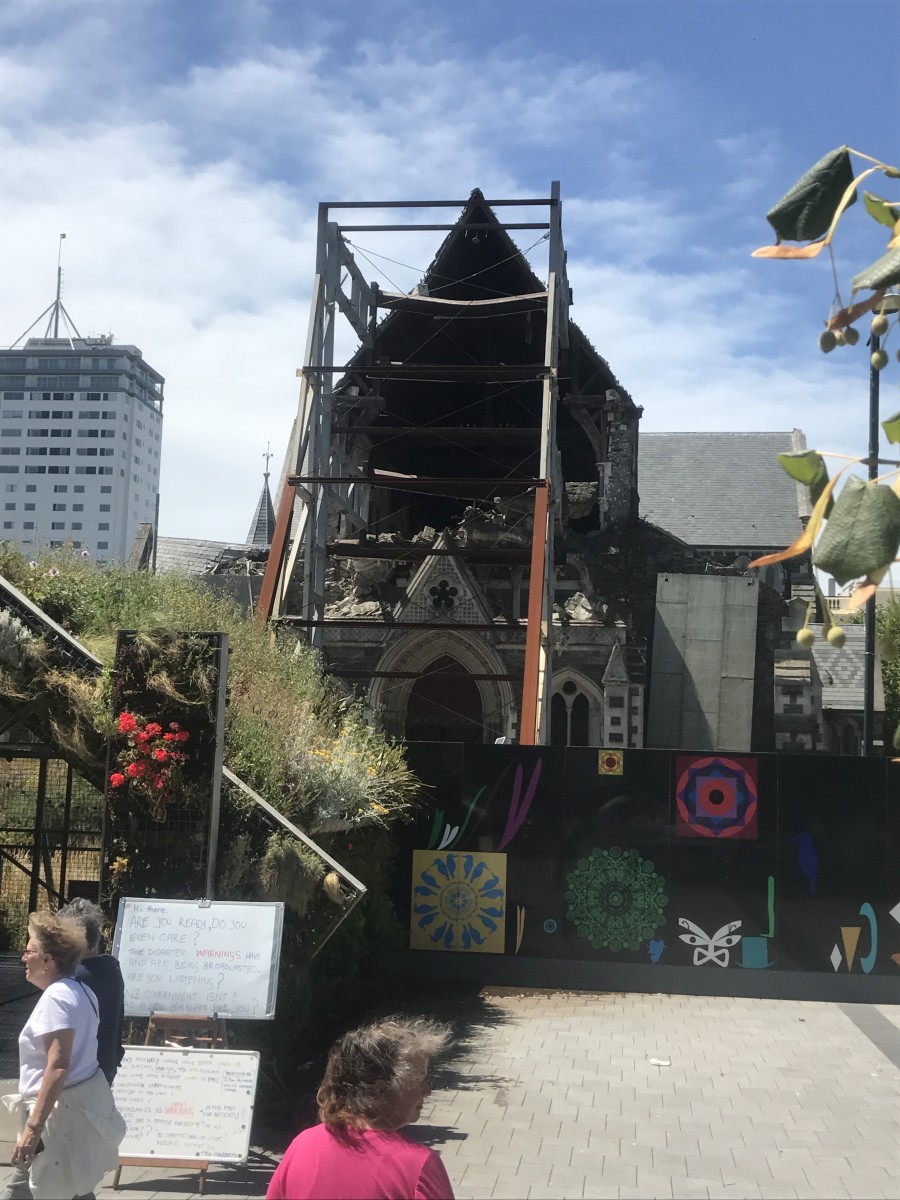
the cathedral
What surprised me the most wasn’t how damaged everything still looked, but how few people were actually working on rebuilding the old buildings compared to how many people were working at the “temporary” mall containers and other seemingly less important buildings. Lyndal said that the city is lacking in contractors and workers to fix the old buildings and it seems like the people’s priority is not focused on saving the old structures like the cathedral and is more focused on building new, more modern buildings.
While we were walking around the square we stopped in a nice cheese shop and then went into a meat shop next door. The cheese shop had probably 25 different cheeses available ranging in price from $25/kg to $100/kg so naturally I asked to try the most expensive one. It was a Tomme de Chévre and one of the creamiest goat cheeses I’ve ever tried (but still not better than Lyndal’s cheese.) We also tried a camembert de Normandt which is a real french cow’s cheese originally made in Normandy and it couldn’t have been more different. It was more buttery and smooth rather than chalky like the goat’s cheese and the flavor was more subtle. We weren’t planning on spending $50 on cheese while we were out so we ducked out after savoring the flavors and standing in awe of the cheeses for long enough. I had no idea before I came here that there was more than one type of chévre and that you could even make cheese out of sheep’s milk. Tasting all of the different cheeses that I have so far has been so eye-opening and I don’t know that I’ll ever be able to go back to the regular ‘ol shredded “sharp cheddar” you buy at the supermarket in the states. The american view of what different types of cheese are is so skewed and we have no concept of the skill and talent involved in cheese making.
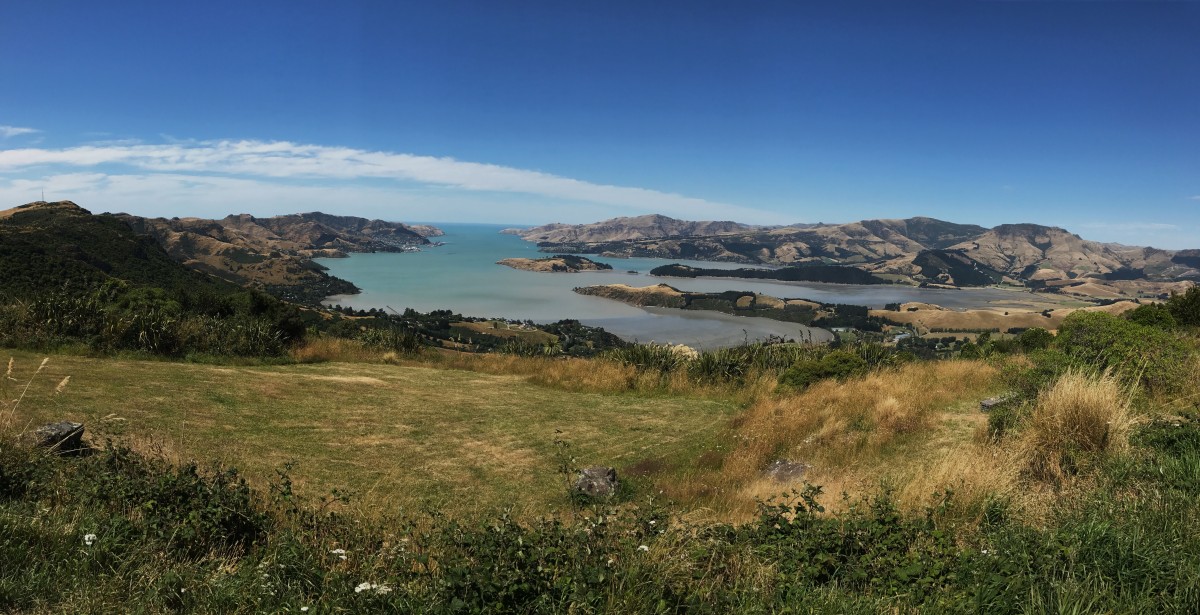
Lyttelton harbor
After we left the city, we went for a drive over to see the the volcanic crater that we can see from the back porch. The drive was absolutely gorgeous and we could see the southern alps and the ocean pretty much the entire time. We saw three historical buildings on the way, build by Harry Ell, an environmentalist and conservationist who wanted to preserve the bush and the natural flora on Banks peninsula, the hills we can see from the house. The three houses we saw are called the Sign of the Kiwi, the Sign of the Bellbird, and the Sign of the Takahe. The sign of the kiwi was build for Ell to live in as a tollhouse and the other two were tearooms between 1915 and 1930. All three have spectacular views onto the Canterbury plains, Christchurch, and Lyttelton Harbour (the crater valley.) The three houses are still standing and serve as amazing views and reasons to hike up to the top of the hills and experience the beautiful flora and fauna of the bush. The idea of preserving the land while also making it accessible is an idea that humans have struggled with for a long while. How do you determine whether or not a footpath or road will “damage” the environment when you also want to make it suitable for any type of person to walk on it? Harry Ell decided to make the Sign of the Kiwi into a tollgate to charge people for the upkeep and regular maintenance of the roads and paths, which was not taken lightly. People fought back saying their taxes should be enough to cover what it would cost, so the question is, does charging defeat the point of accessibility or make sense to maintain the status of the reserve? That one I’ll have to think about.
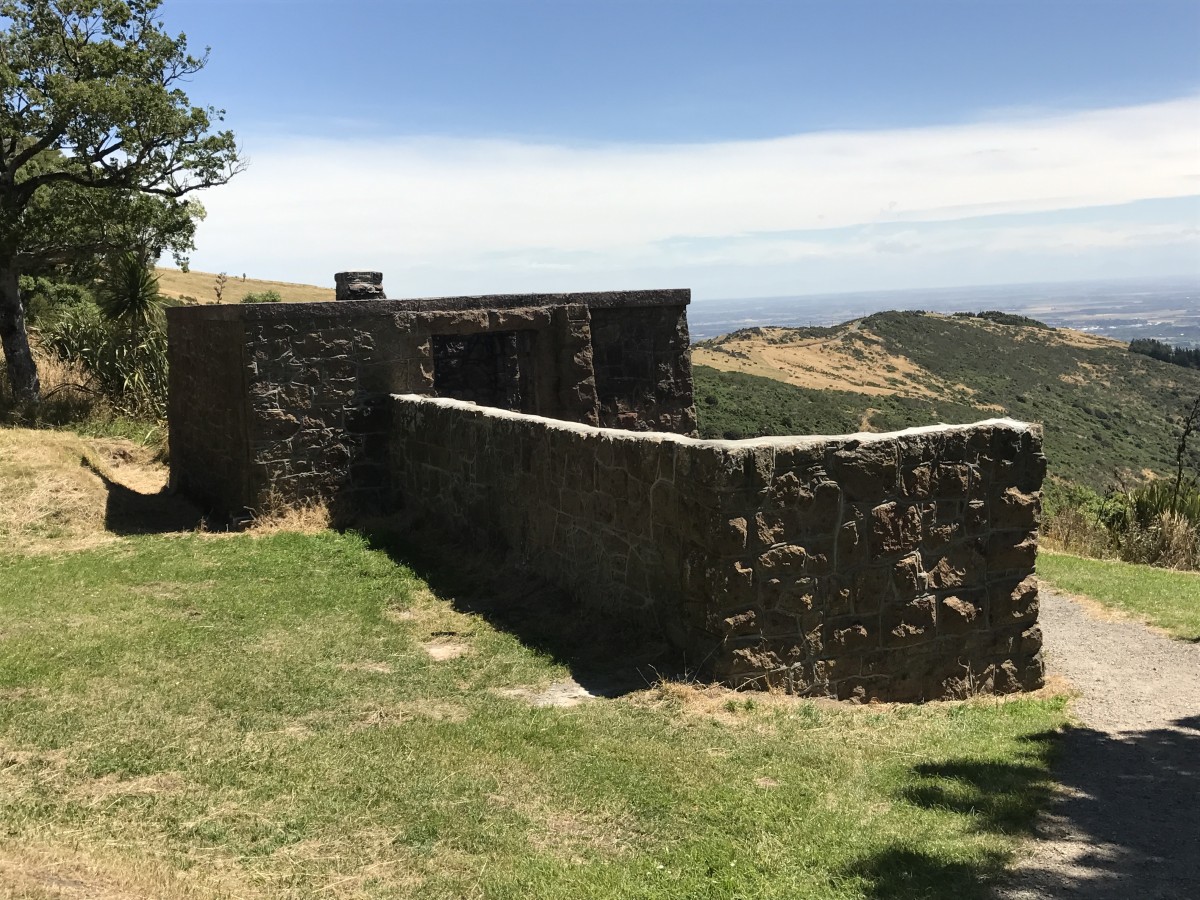
the Sign of the Bellbird